 English
 Le français
 Türkçe

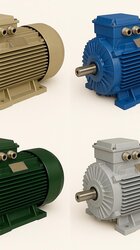
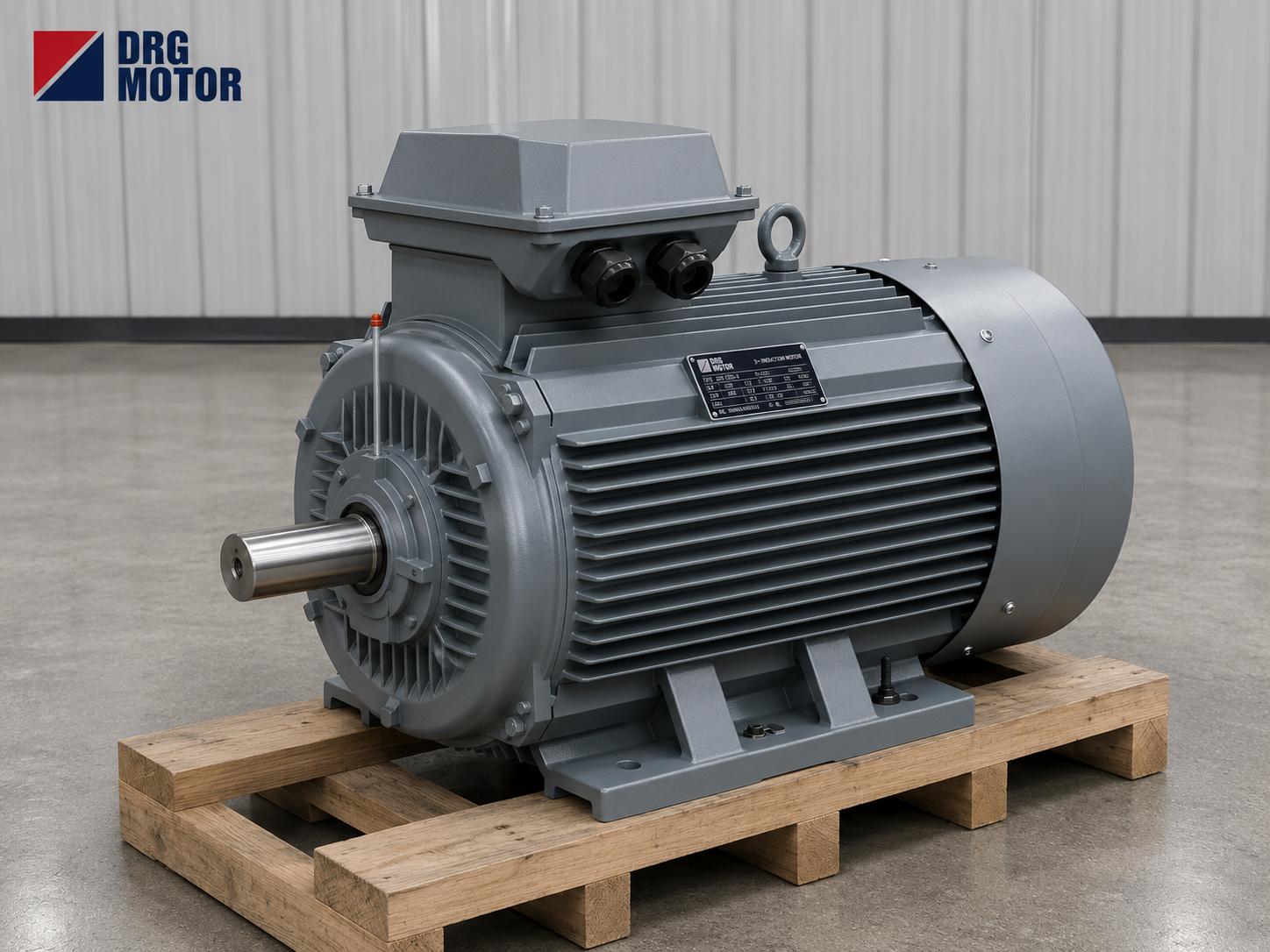

In most plants, pump and fan groups quietly consume the largest share of the electricity bill. When the motor at the heart of this constantly running equipment ages, the real problem is not only the risk of breakdown but the energy wasted every single hour. This is exactly where a pump fan motor replacement decision stops being a maintenance expense and becomes a direct efficiency investment that affects operating profit. A well-planned retrofit can pay for the motor itself within a few years.
An Old Motor Burns Money Silently
An induction motor installed twenty years ago does not run as efficiently today as it did on its first day. Winding insulation fatigues, bearings add friction losses, and every time a motor is rewound it loses a few more points of efficiency. The amperage on the panel may look the same, but the useful work the motor delivers drops; the difference escapes as heat and loss. When a pump or fan runs 16 to 24 hours a day, these small percentages add up to serious numbers by the end of the year.
Postponing the replacement usually ends up costing more. A motor with degraded efficiency keeps running until it fails, and during that entire period it adds to the bill every month. A modern IE3 or IE4 class motor, on the other hand, turns the same load with less energy.
Efficiency Class Shows Up on the Bill
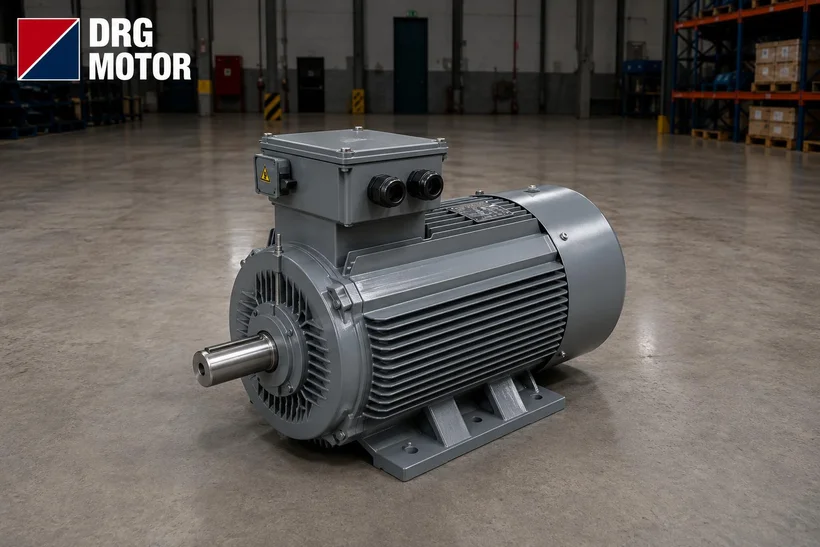
In pumps and fans, the difference is hidden in the efficiency class of the motor. Replacing an old IE1 or IE2 unit with an IE3 or an IE4 chosen from a range of high-efficiency motors delivers the same flow and the same ventilation while drawing less power. In continuously running applications, that gap of a few percentage points means a real reduction in annual energy consumption.
The critical point is this: when you replace a pump or fan motor, simply fitting a new one of the same rating is not enough. You need to evaluate the load, the running hours and the real operating point together, and optimize the motor accordingly. Otherwise an oversized motor is installed out of old habit and half of the potential saving is left on the table.
Correct Sizing Makes Half the Difference
The most common mistake in the field is choosing a motor far larger than the actual load. A big motor fitted "to be safe" runs in an inefficient region under light load and its power factor drops. If the pump or fan really draws 18 kW, a 30 kW motor is a waste of money and energy. A retrofit is the perfect opportunity to correct this error.
- Measure the real power demand at the actual operating point of the pump or fan, look at the field rather than the nameplate.
- Select the motor for this real load so that it runs in the 75 to 100 percent load band.
- On continuously running lines, calculate the return of moving the efficiency class one step higher.
- Check the existing pulley, coupling and mounting dimensions against the new motor.
Paired With a Drive, Savings Multiply
In pumps and fans, the biggest gain often comes together with a variable speed drive. The power consumption of this equipment changes with the cube of the speed, so slowing the motor down instead of throttling a valve delivers large energy savings. When you pair a high-efficiency motor with a drive, not only the motor efficiency but the entire system wins.
However, not every motor works reliably for years with a drive. You need a motor with reinforced insulation and the right insulation class, suitable for inverter supply. Planning this compatibility from the start during the retrofit prevents winding failures later. Working with the right supplier makes it far easier to choose a motor that matches the drive.
Continuous Operation Is the Strongest Multiplier
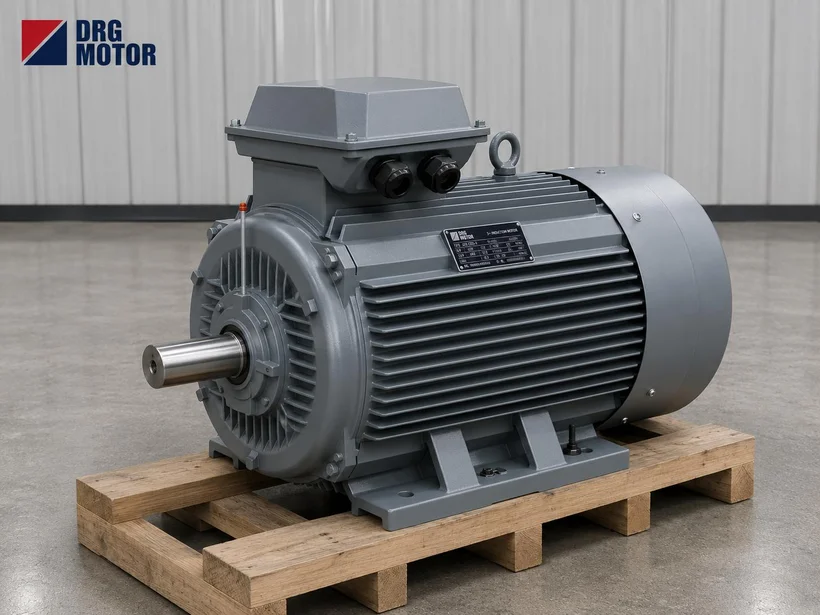
The strongest factor deciding how worthwhile a motor replacement is happens to be the annual running hours. On a motor that turns a few hours a day, a small efficiency gap is negligible, but on a pump or fan that runs without interruption the same gap grows dramatically. That is why, in shift-based plants, water stations and ventilation systems, retrofit priority should always go to continuously running equipment. Choosing a sürekli çalışma motoru designed for non-stop applications raises both efficiency and reliability at the same time.
When setting the retrofit order, starting with the equipment that has the highest running hours gives the fastest return on the investment. First the motor that turns the most and burns the most; then the rest. This simple priority order is the way to obtain the largest saving with a limited budget.
The Repair-or-Replace Question
When an old pump or fan motor fails, the first instinct is to have it rewound. Yet every rewind lowers efficiency a little more, and a rewound motor never reaches factory efficiency again. On continuously running, high-consumption equipment, motor yenileme is often the smarter choice rather than repairing the same unit over and over. To decide, you should weigh the age of the motor, how many times it has been rewound, its running hours and its energy cost together.
On an expensive, critical or hard-to-find special motor, repair may still make sense. But on a standard pump or fan motor, the efficiency gain of a new unit usually covers the price difference and more. To make this calculation correctly, you must know the annual energy cost of the motor.
Seeing the Payback Period in Advance
The way to put a retrofit decision on solid ground runs through a simple payback calculation. Compare the energy the current motor consumes in a year with the energy the new motor would consume at the same load; the difference is your annual saving. Dividing the price of the new motor by this annual saving shows you roughly how many years it takes to pay for itself. On a continuously running, high-power pump this period often turns out far shorter than expected, while on equipment with low running hours it stretches out. That is exactly why doing the calculation separately for each piece of equipment lets you direct the budget to the most rewarding place.
The calculation should include the energy saving, the expected failure cost and the downtime of the old motor. On a critical line, a sudden motor stoppage can cost far more than the difference on the bill. A planned retrofit removes both the energy waste and this unexpected downtime risk, delivering a gain in two directions. Building the saving calculation correctly on an equipment-by-equipment basis is the most reliable way to see when the investment will pay for itself.
Details That Get Overlooked During a Retrofit
When you change the motor, the small details at the connection points make a big difference. If the old pulley is worn, or a misaligned coupling creates vibration and extra losses, even a new and efficient motor cannot show its potential. A retrofit is the right moment to review not just the motor but the belt-and-pulley group, the coupling, the bearings and the alignment together. Otherwise the new motor inherits the problems of the old system.
- Check the coupling and pulley alignment from the start during the new motor installation; misalignment costs both energy and bearing life.
- Make sure the protection class (IP) of the motor suits the environment; inadequate protection in a dusty or damp area means early failure.
- Verify that the voltage and frequency values fully match your supply and your drive, if present.
- Check that the terminal box orientation and cable entry of the new motor fit the field conditions.
Running the Retrofit From a Single Source
Efficiency optimization in a pump and fan group starts with selecting the right motor, but it does not end there. Shaft dimensions, mounting type, protection class, voltage and frequency, drive compatibility, all of these details need to be aligned with one another. Trying to gather them piece by piece from different places wastes time and increases the risk of a mismatch. Working with a supplier that offers broad stock and technical support is the most practical way to run the project smoothly from start to finish.
Which Motor Should We Start With?
We can review together which of the pumps and fans in your plant should be replaced first, how much it will save, and which efficiency class will give you the fastest return. As DRG Motor, we support you in selecting the right power, the right efficiency class and a drive-compatible motor; we quickly supply the most suitable solution from our wide stock. Share your equipment list and running hours, and we will prepare a tailored retrofit plan and a clear quotation for you.