 English
 Le français
 Türkçe

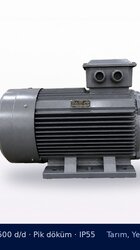
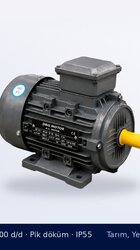
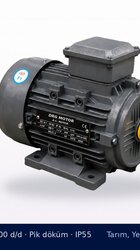
On meat mincing and cutting machines the motor never touches the product, yet it is washed in the same room and picks up greasy vapour and bone dust; hygiene is therefore part of the selection from the start. The basic approach is to keep the motor apart from the food contact zone, question the protection level against the washdown method, and reduce recesses that trap dirt.
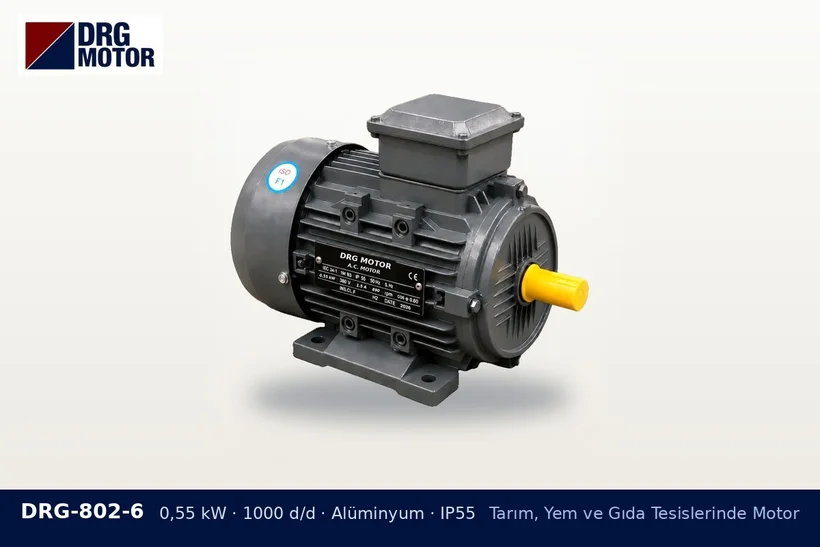
Motor position relative to the product zone
On mincers the motor usually sits inside the housing, behind or below the screw and knife assembly. Meat juice, fat and wash water must not leak towards the motor through the shaft seal or the intermediate bearing area. If the machine's separating gasket and drip path are faulty, even a sound motor soon takes in moisture; that defect is fixed on the machine, not by swapping the motor.
Washdown method and IP55
IP55 defines protection against harmful dust ingress and against water jets from any direction. Holding a pressure washer gun close to the motor, foaming chemicals and hot water can fall outside that definition. Before ordering, note whether the motor itself is washed directly and whether the detergent used is corrosive. Since moisture and corrosive environments are listed among the conditions not covered by the warranty, a cover or water deflector protecting the motor should be provided on the machine.
Load in cutting and bone sawing
On bone saws and cutters the load comes in shocks; current jumps the moment the blade enters frozen meat. In mincing, sinewy and fatty meat strains the screw, and the load grows as the knife and plate go blunt. Power is set from the machine maker's figure and the existing label; a larger motor is no substitute for knife maintenance.
Details that make cleaning easier
- Fat and meat residue collecting between the frame fins should be cleaned regularly, and the fan cover must stay in place.
- The terminal box cover should be gasketed and tight, and the cable gland sized to suit the cable.
- An aluminium frame is light, which helps portability on bench-top machines; on heavy cutters a cast iron frame stands up better to knocks.
You can see examples by machine type on the meat mincing and cutting machine motors page and, once power and speed are set, choose among the three-phase models in the shop.