 English
 Le français
 Türkçe



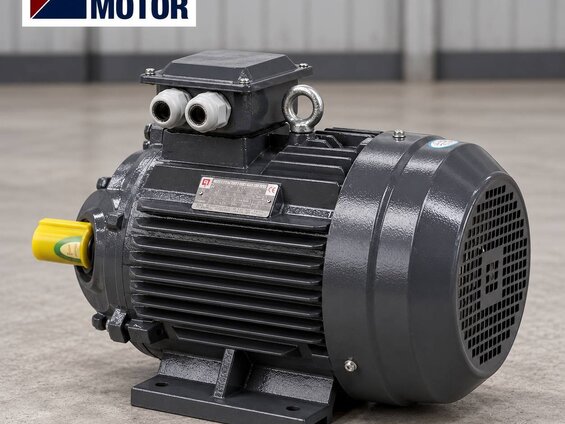
Electric Motor Selection for Oil and Gas Facilities
Oil and gas facilities are industrial environments where electric motors must operate to the highest standards of reliability and safety. In the processes of refining, pumping, and... More Details

Oil and gas facilities are industrial environments where electric motors must operate to the highest standards of reliability and safety. In the processes of refining, pumping, and... More Details
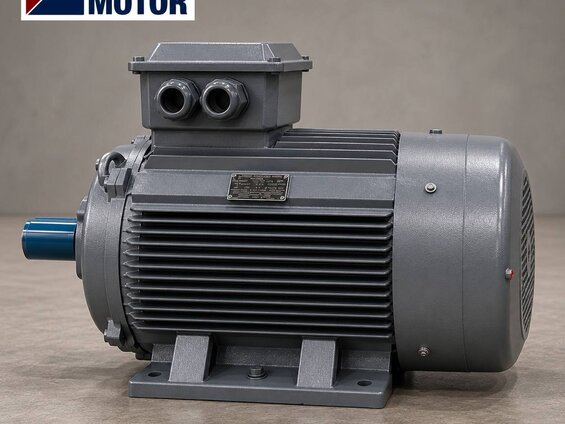
The rotation direction of an electric motor may look like a minor detail at first glance, but in many applications it is a critical matter that determines whether the job can be do... More Details
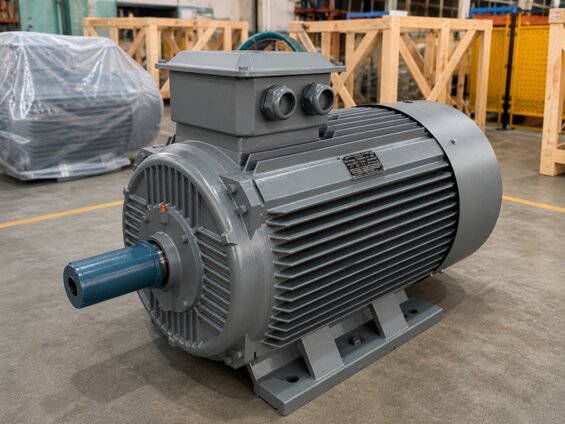
Rolling mills and metal forming facilities are production environments where electric motors undergo some of their toughest tests. The process of crushing hot metal between rolls t... More Details
The lifespan of an electric motor largely depends on choosing the right electrical equipment to power and protect it. No matter how high the quality of the motor itself, if a suita... More Details
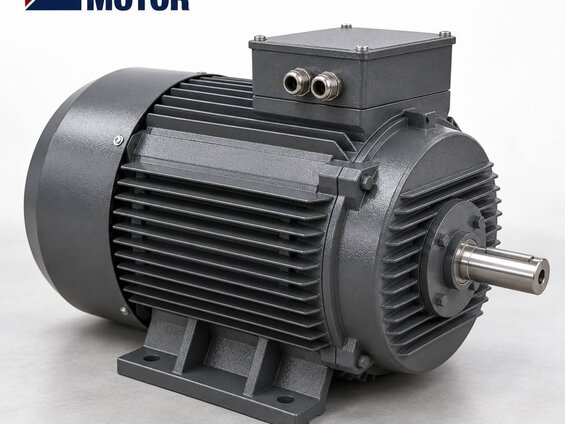
Wastewater treatment plants are industrial facilities that play a critical role in protecting environmental health and must run without interruption around the clock. The process o... More Details
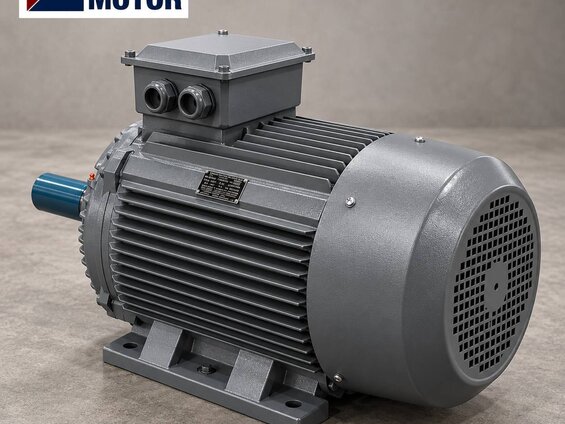
Cement manufacturing represents one of the harshest operating environments in heavy industry. From crushing raw materials to firing clinker, from grinding to packing, hundreds of i... More Details
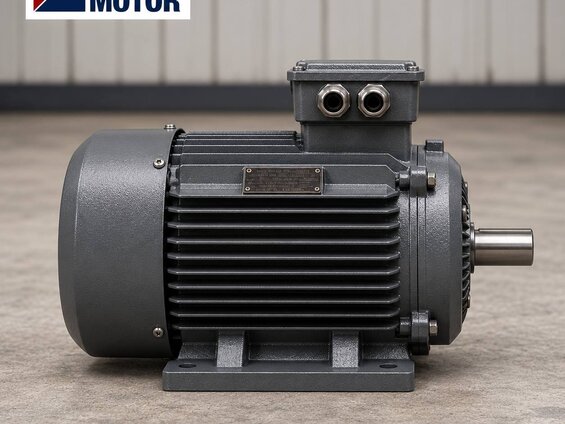
Escalators and moving walkways carry millions of people every day, from shopping malls and metro stations to airports and business centers, and they are expected to run without int... More Details
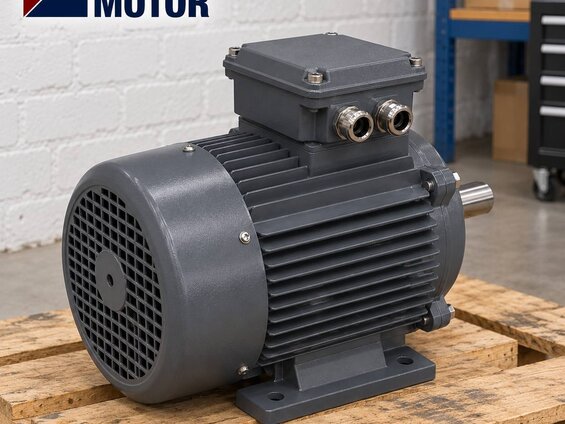
Every mechanical structure has a frequency at which it vibrates most easily when slightly disturbed; this is called the natural frequency. The sound you hear when you tap a glass w... More Details
An electric motor cannot convert all the electricity it draws into mechanical power; some of it is inevitably turned into heat. For a single motor this heat may seem small, but in ... More Details
Brake electric motors are indispensable in applications that must stop quickly and safely the moment stopping is required. Cranes, elevators, conveyors, door systems, and machines ... More Details
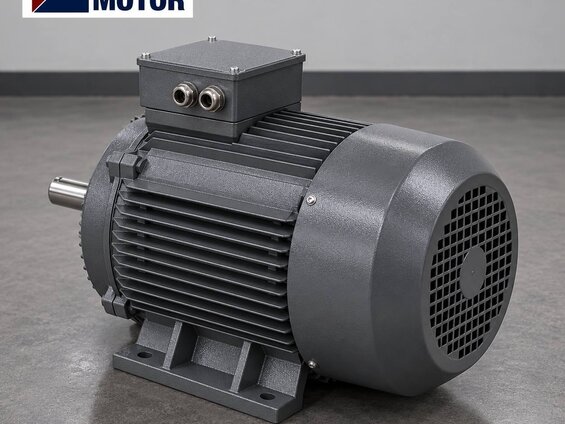
An electric motor produces a certain amount of vibration while running; this is unavoidable. However, the severity of the vibration says a great deal about the motor's health. Low ... More Details
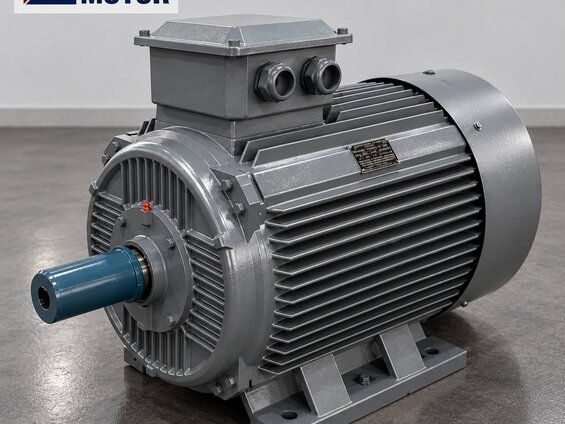
The only reliable way to understand how efficiently an electric motor truly runs is to measure it. The efficiency value printed on the nameplate is a reference obtained by the manu... More Details
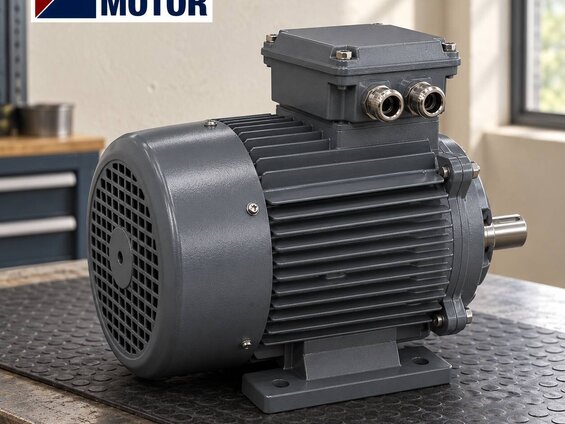
The power and efficiency values printed on an electric motor's nameplate do not, on their own, tell you how the motor will behave in the real world. A motor heats up while running ... More Details
In industrial facilities that contain flammable gases, vapors, or combustible dust, selecting an electric motor goes far beyond a simple calculation of power and efficiency. In the... More Details
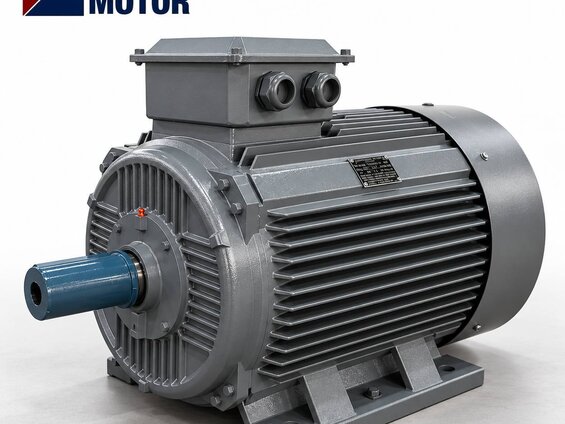
A three-phase induction motor works exactly as designed when all three phases are supplied with voltages of equal magnitude and a precise 120-degree phase angle between them. This ... More Details
Direct-on-line starting is the oldest and simplest way to start an induction motor. The motor is connected directly to the line through a contactor and is suddenly energized at ful... More Details
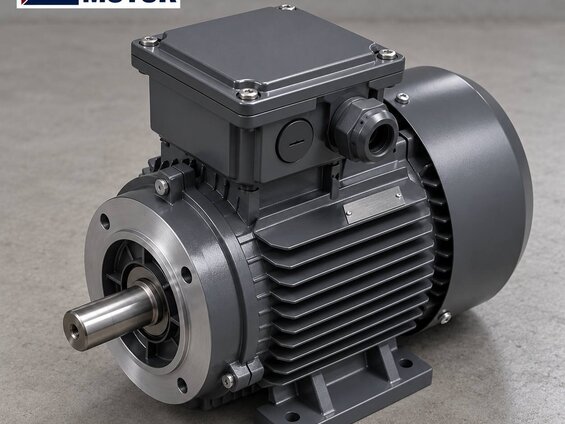
The efficiency of an electric motor is not a fixed value; it changes with operating temperature. As temperature rises, the electrical resistance of the winding copper increases, wh... More Details
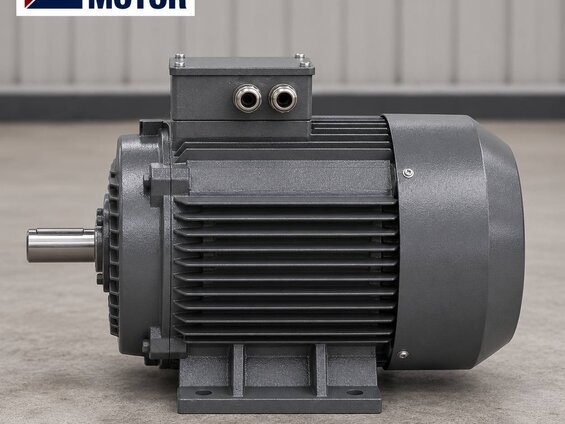
Belt-and-pulley drive is one of the most common ways to transfer a motor's power to a load. From a ventilator to a stone-crushing line, from a machining tool to a conveyor, many sy... More Details
One of the most visible yet most often overlooked parts of an electric motor is the terminal box. This box, where the motor's electrical connection is made, is the critical point w... More Details
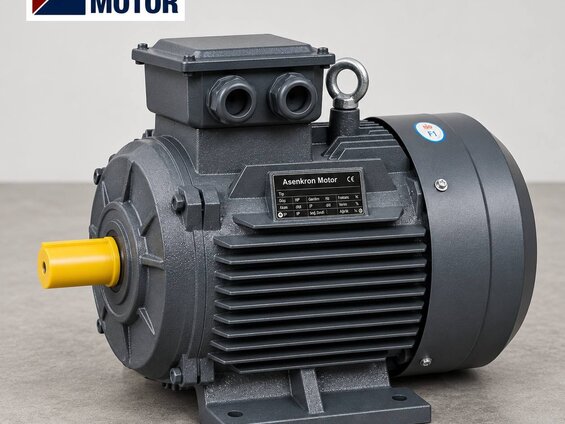
A frequency inverter can change the speed of an induction motor, but how it does so depends on the control method you choose. There are two fundamental approaches: scalar V/f contr... More Details