 English
 Le français
 Türkçe

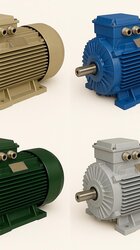
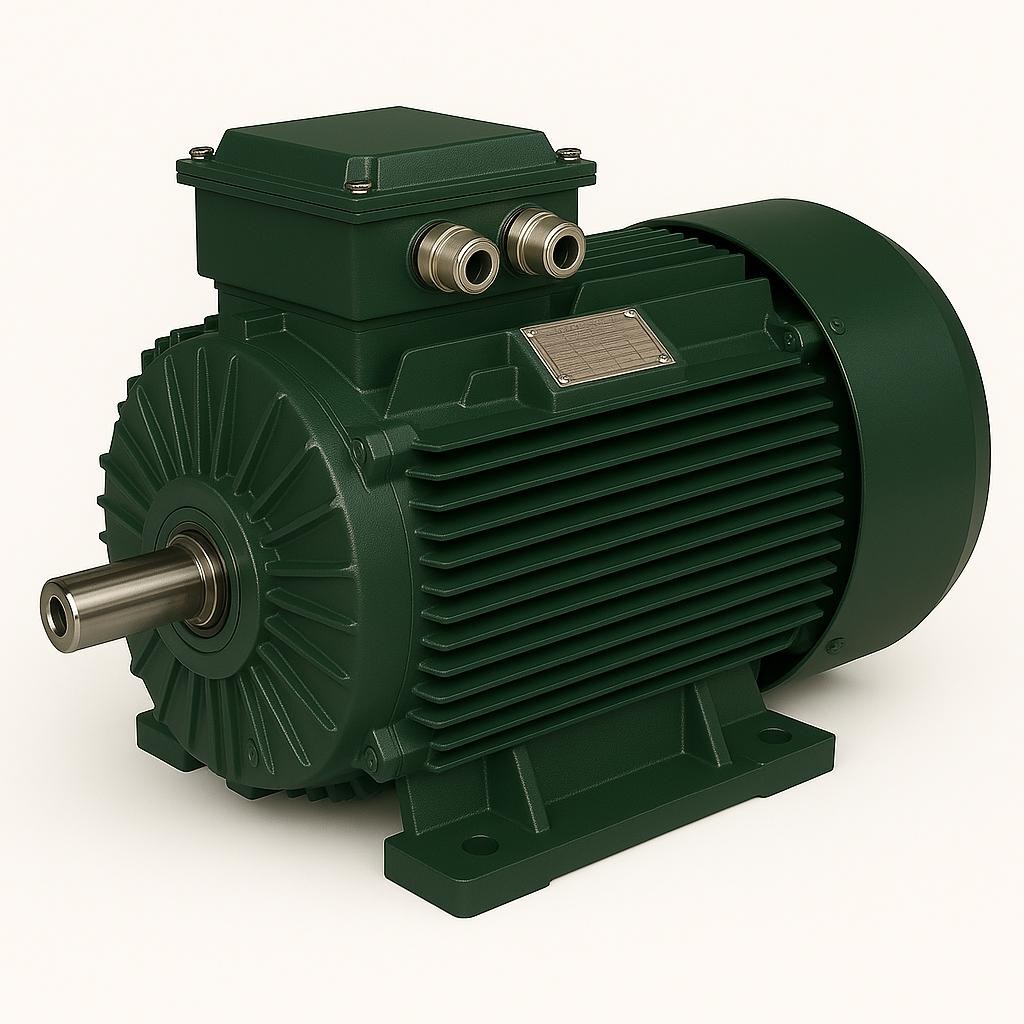

Wastewater treatment plants are industrial facilities that play a critical role in protecting environmental health and must run without interruption around the clock. The process of purifying water through physical, biological, and chemical stages is built upon numerous industrial electric motors. From blowers to submersible pumps, from mixers to sludge pumps, every piece of equipment must provide uninterrupted service in a humid and corrosive environment. For this reason, selecting an electric motor for a wastewater treatment plant is a special engineering matter in which power, moisture resistance, corrosion protection and high efficiency are evaluated together.
At DRG Motor, our AC asynchronous motor range in IE3, IE4, and IE5 efficiency classes offers solutions to meet these distinctive demands of the water and wastewater sector. In this article, we examine which motor characteristics stand out in the aeration, pumping, mixing, and sludge-handling stages of a treatment plant, in a way specific to the industry.
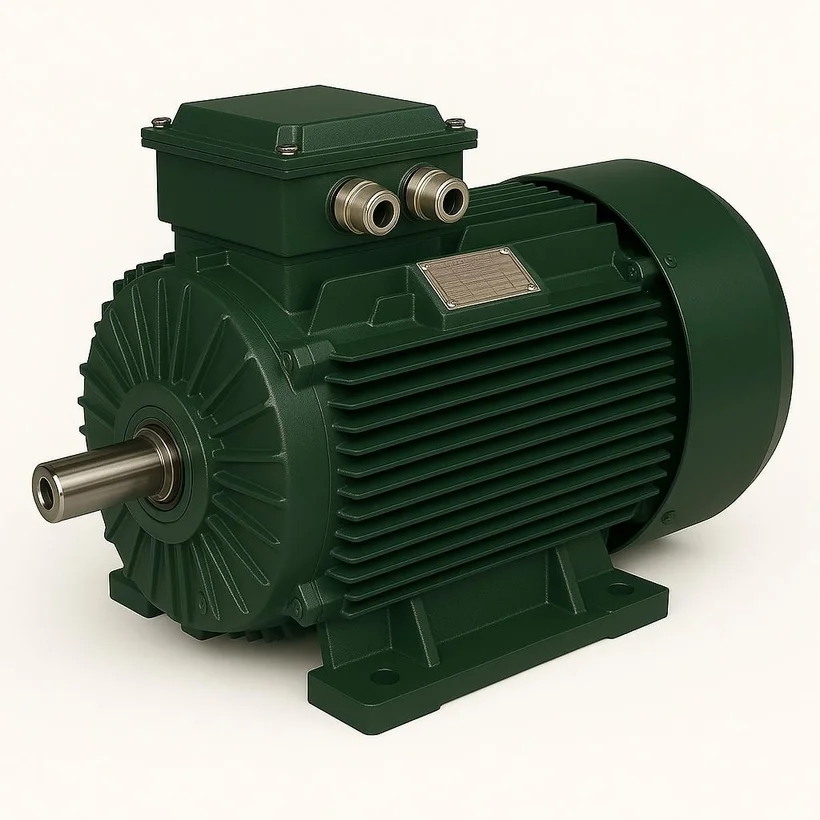
The Place of the Electric Motor in Wastewater Treatment
The majority of a treatment plant's energy consumption is performed by electric motors. The aeration system in particular is the highest energy-consuming unit of the plant. For this reason, motor efficiency is one of the most important factors directly determining the operating cost of the treatment plant. Correct motor selection is the foundation of both environmental and economic sustainability.
An Operating Environment Loaded with Moisture and Corrosion
Wastewater facilities are an aggressive environment with high humidity and chemical vapors. These conditions cause rusting on the housing of inadequately protected motors and winding failures inside. For this reason, motors must have a high protection class and a corrosion-resistant surface treatment. Ambient conditions are the starting point of motor selection.
Aeration Blower Motors
In the aeration basins that are the heart of biological treatment, air is continuously supplied to meet the oxygen demand of the microorganisms. The blowers that provide this air are the most heavily running and most energy-consuming equipment in the plant. Similar to the logic of fan and blower motor selection, efficiency and continuity are the most critical characteristics in blower motors.
Efficiency Priority in Blowers
Since aeration blowers run 24 hours a day, even a small improvement in motor efficiency provides large energy savings on an annual basis. In this application, choosing IE4 and IE5 class high-efficiency electric motors is a strategic decision that pays for itself in a short time. Efficiency is the decisive factor in blower selection.
Control of Aeration Airflow
The oxygen demand in the treatment basin varies according to the incoming wastewater load. For this reason, blowers are usually driven by a frequency inverter so that the airflow is adjusted according to process needs. Inverter control prevents unnecessary air supply, providing both energy savings and a more stable treatment process.
Submersible Pump Motors
In wastewater facilities, submersible pumps are widely used for pumping stations and transfer between basins. Since these pumps operate underwater together with the motor, sealing and moisture protection are of absolute importance. In submersible motors, superior protection that prevents water ingress and appropriate bearing solutions are critical. The principles of water pump electric motor selection apply directly in this application.
Lift Pumps and Load Profile
Wastewater often has to be lifted from a lower to a higher elevation. Lift pump motors must operate stably under varying flow and pressure conditions. The starting behavior of these pumps and their efficiency under continuous load determine the fluidity of plant operation. Correct sizing prevents unnecessary energy consumption.
Mixer and Agitator Motors
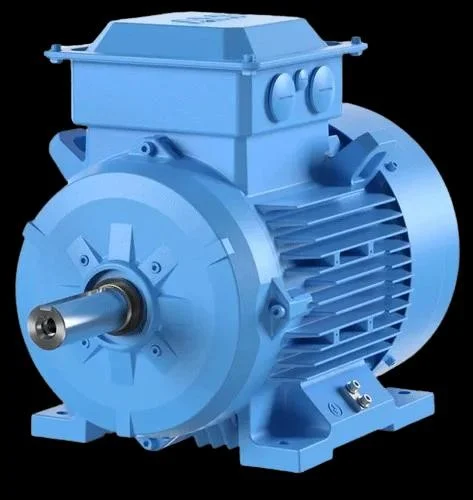
Agitators are used in treatment basins to prevent settling and ensure a homogeneous mixture. These mixers run continuously at low speed and require stable torque. Mixer motors must be selected to maintain a constant rotation speed against the resistance of the liquid medium. Protection resistant to a humid environment is also a priority in this application.
Anaerobic and Anoxic Mixing
At different stages of biological treatment, anaerobic (air-free) and anoxic (oxygen-free) mixing is performed. In these basins, low-speed, high-torque mixers are needed to keep sludge and water in suspension. The motors providing this special speed-torque characteristic directly affect treatment efficiency.
Sludge Pump Motors
At the end of the treatment process, the accumulated sludge is pumped to dewatering and disposal units. Since sludge is a dense and abrasive fluid, sludge pump motors require high torque and a robust mechanical structure. The motors of these pumps must have the torque reserve to stably pump sludge of varying density.
Sludge Dewatering Equipment
Dewatering equipment such as centrifuge decanters and belt presses are used to reduce sludge volume. This equipment is driven by motors operating at high speed or high torque. In centrifuge applications, a balanced rotor and vibration endurance are critical for motor life.
Screens and Coarse Material Separation
The wastewater arriving at the plant is first passed through screens to be cleared of coarse solids. Automatic screen cleaning systems are driven by low-power but continuously running motors. These motors must have the torque capacity to withstand increased load when coarse material causes clogging.
Grit Chamber and Scraper Systems
In grit chamber basins, heavy grains are settled and collected by scraper mechanisms. These scrapers run continuously at low speed. Scraper motors must have a protection class to provide long-lasting service in a water and abrasive grit environment. Continuous operation is the fundamental characteristic of this unit.
The Decisive Importance of the IP Protection Class
In wastewater facilities, the IP protection class is the foundation of motor reliability. A high protection class is mandatory at points with the risk of water splashing, high humidity, and even temporary submersion. The topic of electric motor IP protection class selection explains in detail which protection level is required at which point.
Tropicalization and Additional Protection
In treatment plants where high humidity and corrosive vapors are intense, standard protection may prove insufficient. In this case, tropicalizing the windings with an additional protective coating significantly extends motor life. Tropicalization is an important measure that protects winding insulation in humid environments.
The Requirement for Continuous Operation (S1)
Wastewater treatment plants run without ever stopping by their very nature, because the wastewater flow is uninterrupted. For this reason, motors must be selected to suit the S1 continuous duty regime. Motors that maintain their thermal balance under continuous load prevent unplanned downtime and guarantee the uninterrupted operation of the treatment process.
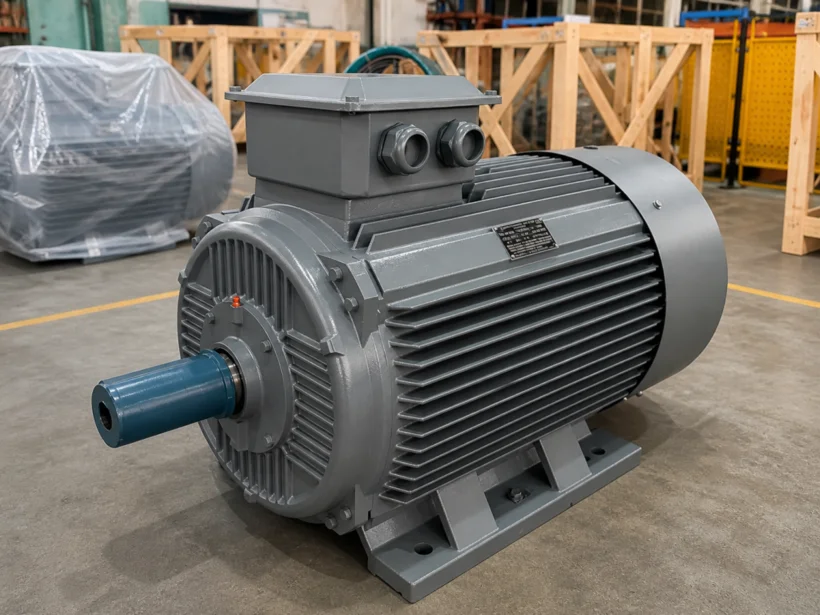
The Relationship Between Efficiency and Operating Cost
In a continuously running plant, motor efficiency is directly reflected in the electricity bill. The additional cost created by low-efficiency motors over the years quickly exceeds the purchase price difference of their high-efficiency counterparts. For this reason, in treatment plant investments, the efficiency class is a more decisive criterion than the purchase price.
Correct Selection of Motor Power
In equipment such as pumps and blowers, correct sizing of the motor provides both energy savings and reliability. A motor that is too large loses efficiency under light load, while one that is too small overheats. Motor power should be optimized by analyzing the actual load profile of the equipment.
Joint Engineering with Water Pumping
Wastewater pumping shares many principles with clean water pumping; however, the properties of the fluid differ. Our experience with water pump electric motor selection provides a direct basis for wastewater applications in head, flow, and efficiency calculations. The solids ratio in the fluid is taken into account as an additional variable in pump and motor selection.
Starting Method and Grid Effect
The direct start of high-power blowers and pumps can create fluctuations on the grid. A soft starter or inverter-based start both extends motor life and reduces the electrical shock. The choice of starting method also protects the mechanical equipment from sudden torque.
Industrial Wastewater and Special Conditions
Compared to domestic wastewater, industrial wastewater may contain more aggressive chemicals and variable composition. In such facilities, motors must withstand both corrosion and variable load conditions. Our accumulated knowledge of the industrial electric motor in industrial treatment applications allows us to develop solutions suitable for demanding chemical environments.
Vibration and Mechanical Endurance
Rotating equipment such as centrifuges and pumps generates vibration. A balanced rotor and robust bearing structure ensure long life under this vibration. Mechanical endurance is the fundamental factor that reduces failure frequency in continuously running treatment equipment.
Bearing and Lubrication Management
In a humid environment, water or vapor reaching the bearings causes premature wear. Effective sealing and appropriate lubrication directly affect motor life. In continuously running equipment, bearing maintenance is the most effective way to prevent unplanned downtime.
Monitoring and Preventive Maintenance
Since uninterrupted operation of the treatment plant is mandatory, monitoring motors with temperature and vibration tracking systems is important. Preventive maintenance allows unexpected failures to be anticipated and planned intervention to be made, thereby averting environmental risks.
Spare Motors and Continuity Assurance
In wastewater treatment, the stoppage of a piece of equipment can have environmental consequences. For this reason, keeping spare motors for critical pumps and blowers is a common practice. Standard power and frame sizes facilitate spare supply and rapid replacement.
Chemical Dosing Systems
In the treatment process, chemical dosing pumps also run on motors. These low-power motors require precise and stable operation, because dosing accuracy affects treatment quality. The protection class also matters in these motors operating near corrosive chemicals.
Return and Recirculation Pumps
In biological treatment, the activated sludge must be recirculated between basins. Recirculation pumps operate to continuously pump large flows at low pressure. The motors of these pumps are selected to maintain efficiency over long operating hours and to adapt to variable flow with inverter control. The right pump-motor match preserves the balance of the treatment process.
Gas Exhaust and Odor Control Fans
Odor removal and gas exhaust fans run to control the foul-smelling gases generated in treatment plants. Since these fans provide continuous service in a corrosive gas environment, they require motors with a high protection class. The principles of fan and blower motor selection also apply to odor control systems, and the motor's resistance to gas corrosion is decisive.
Sludge Conveyors and Handling
Dewatered sludge is transported to the disposal or recovery point by conveyors. These systems, carrying dense and sticky sludge, require high starting torque. The principles of conveyor belt electric motor selection apply directly here; the motor must have the torque reserve to move a loaded conveyor.
Sludge Lifting and Maintenance Equipment
In plant maintenance, lifting systems are used to position heavy equipment and pumps. Crane and lifting electric motor applications are what pull submersible pumps out of the basins safely and set them back. Precise positioning and safe braking behavior are priority characteristics in these motors.
Energy Efficiency and Environmental Goals
Although wastewater treatment plants are facilities built to protect the environment, they consume a significant amount of energy. For this reason, the plant's energy efficiency is a complementary part of its environmental goals. When high-efficiency motors, inverter control, and correct sizing are applied together, the carbon footprint of treatment decreases noticeably. Efficient motor selection both lowers operating cost and strengthens the plant's sustainability performance.
Seasonal and Hourly Load Variations
Wastewater flow fluctuates during the day and across seasons. While the incoming load increases during rainy periods and peak hours, it decreases at night or during dry periods. This variability requires motors to operate efficiently at different load levels. Inverter-controlled systems adapt to these fluctuations, offering both energy savings and process stability. Managing load variations correctly is an important part of the plant economy.
The Contribution of Heavy Industry Experience
Although treatment plants have their own unique challenges, heavy industry experience carries great value in motor selection. The principles of continuity, protection, and endurance we address under electric motor challenges in heavy industry can be transferred directly to treatment applications.
Commissioning and Testing Process
In a newly built treatment plant, commissioning the motors requires a careful testing process. Direction control, current measurement, and vibration and temperature monitoring ensure that the motor delivers the expected performance in the field. Correct commissioning prevents a significant portion of potential future failures at the outset and supports the plant's long-term reliability. During the testing phase, the behavior of each piece of equipment under real load is recorded, and this data forms the basis of future maintenance planning.
Motor and Drive Compatibility
In treatment plants, the majority of motors operate together with a frequency inverter. For this reason, the motor's compatibility with the inverter is important for both performance and lifespan. Motors with an inverter-compatible insulation structure withstand voltage spikes in variable-frequency operation and preserve winding life. The right motor-drive match is the key to energy savings and stable operation.
DRG Motor's Approach to the Water and Wastewater Sector
At DRG Motor, we offer AC asynchronous motor solutions in IE3, IE4, and IE5 classes for the blower, submersible pump, mixer, and sludge-handling equipment of treatment plants. Our engineering team, who know the fundamental principles of the electric motor, jointly determine the protection class suitable for a humid and corrosive environment and the highest efficiency.
A Reliable Motor Solution for Your Treatment Plant
Wastewater treatment is a sensitive field where environmental responsibility and continuity coexist. Under the pressure of moisture, corrosion, and uninterrupted operation, correct motor selection secures both treatment quality and operating economy. A wrongly selected motor means environmental risk and energy loss. For all the drive needs of your treatment plant, contact the DRG Motor engineering team; let us create together the most suitable, most efficient, and most durable AC asynchronous motor solution for your application.