 English
 Le français
 Türkçe

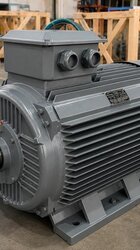
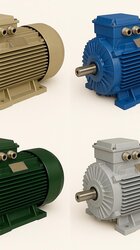
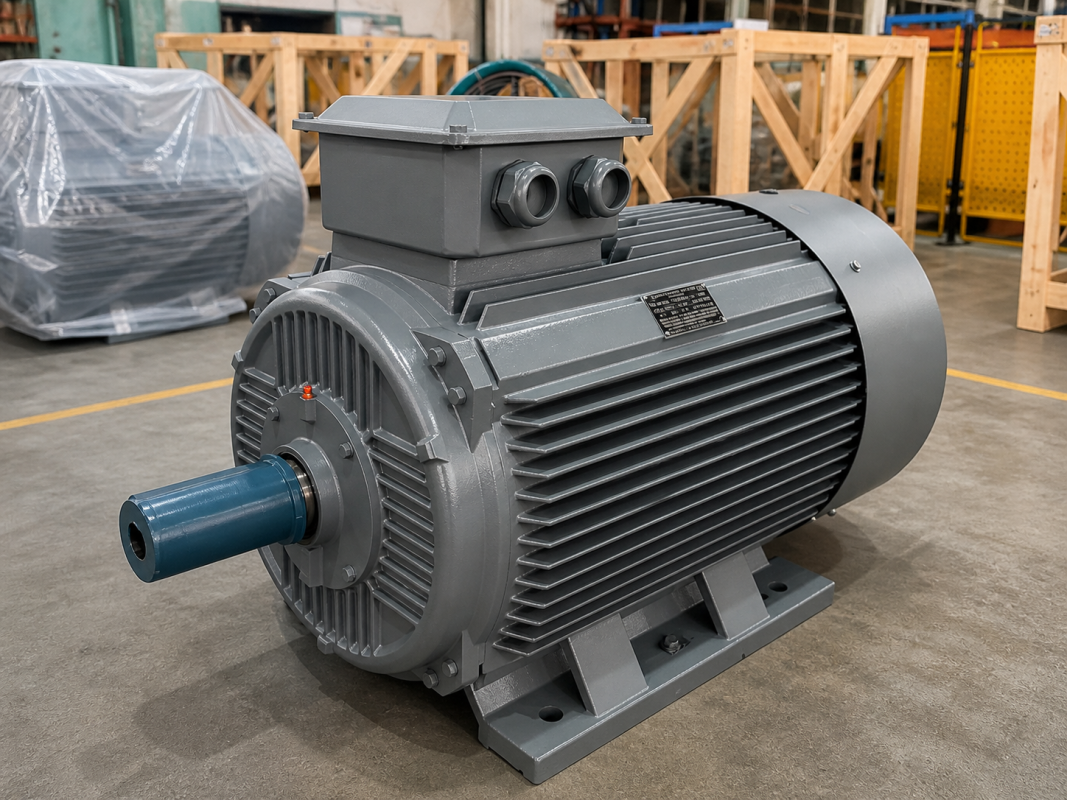

In industrial facilities that contain flammable gases, vapors, or combustible dust, selecting an electric motor goes far beyond a simple calculation of power and efficiency. In these environments, the motor itself can become a potential ignition source that triggers an explosion through a small spark or an overheated surface. This is precisely where ATEX zone classification comes into play. ATEX is an approach that divides hazardous environments into zones according to their level of danger and defines which type of protected equipment must be used in each zone. A motor selected without a proper zone assessment poses a serious threat to both human safety and operational continuity. At DRG Motor, this article explains in detail what zone classification means for AC asynchronous motors used in hazardous areas, along with gas and dust groups, temperature classes, and protection types.
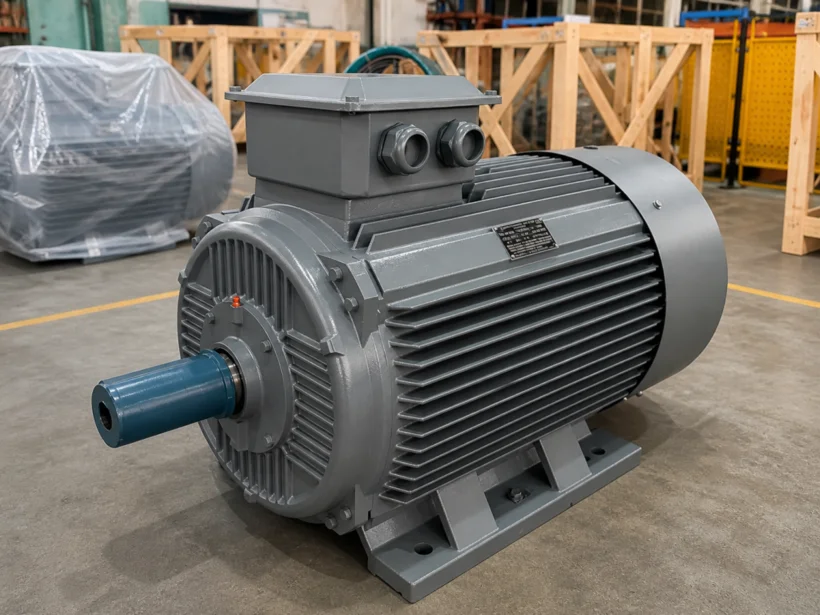
What Is a Hazardous Area and Why Is Classification Needed?
A hazardous area is an environment where the concentration of flammable gas, vapor, mist, or dust in the air falls within ignition limits, so that an explosion risk arises if it meets an ignition source. Petrochemical, paint, flour, sugar, chemical, fuel, and pharmaceutical plants are typical examples. Properly classifying the electric motors used in these areas is the first line of defense in preventing an explosion from ever starting.
The Three Sides of the Triangle: Fuel, Oxygen, Ignition
For an explosion to occur, three components must be present at the same time: a flammable substance, oxygen, and ignition energy. In an industrial setting, it is often impossible to completely eliminate the flammable substance and oxygen. For this reason, the ATEX approach focuses on the only controllable component, namely the ignition source. Suppressing potential ignition sources such as the motor's surface temperature, sparks that could come from the windings, or bearing friction is essential.
The Zone Concept: Duration and Frequency of the Hazard
Zone classification is based on how often and for how long an explosive atmosphere is present in the environment. An area where it is permanently present and an area where it appears only during a fault do not require the same level of protection. This logic aims both to avoid unnecessary cost and to guarantee safety.
Gas Zones and Dust Zones Table
The table below summarizes the zones defined for gas/vapor and dust environments, the presence of the explosive atmosphere, and the typical motor approach for these zones.
| Zone | Environment | Explosive Atmosphere Presence | Typical Motor Protection Approach |
|---|---|---|---|
| Zone 0 | Gas/Vapor | Present continuously or for long periods | Direct motor use is avoided; the highest protection level is required |
| Zone 1 | Gas/Vapor | Occurs occasionally in normal operation | Flameproof (Ex d) or increased-safety (Ex e) motors |
| Zone 2 | Gas/Vapor | Only briefly during a fault/abnormal condition | Ex e or non-sparking (Ex nA) type motors |
| Zone 20 | Dust | Continuous or long-lasting dust cloud | Highest dust protection; enclosure integrity is critical |
| Zone 21 | Dust | Occasional dust cloud in normal operation | Dust-ignition-protected (Ex tb) enclosed motors |
| Zone 22 | Dust | Only briefly during a fault condition | Dust-protected (Ex tc) motors |
Characteristics of Gas Zone 0
Zone 0 is the most hazardous area, where an explosive gas atmosphere is present continuously or for very long periods. Tank interiors and enclosed process volumes fall into this class. Placing an electric motor directly in these areas is generally avoided; where possible, the motor is moved outside the zone.
Characteristics of Gas Zone 1
Zone 1 is an area where an explosive atmosphere may occasionally occur during normal operation. Pump stations, filling lines, and the vicinity of process equipment are typical examples. This zone is a critical category in which a large portion of industrial motor applications take place, and choosing the correct protection type is essential.
Characteristics of Gas Zone 2
Zone 2 is an area where an explosive atmosphere occurs only during fault or abnormal conditions, and even then only briefly. Since the risk is lower, more economical protection types may be sufficient for this zone; nevertheless, using a standard motor is not appropriate.
Dust Zones 20, 21, and 22
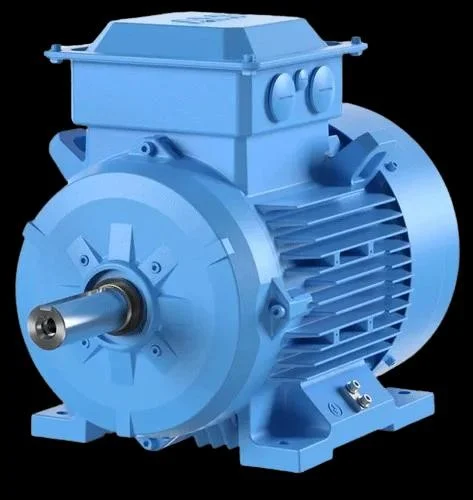
Combustible dusts are at least as dangerous as gases. Flour, starch, sugar, coal dust, and metal dust form an explosive cloud when mixed with air in the right concentration. Dust zones 20, 21, and 22 are defined with the same logic as gas zones, based on how long dust is present in the environment. In dust environments, a layer of dust accumulating on the motor surface can act as a thermal insulator and raise the surface temperature; for this reason, dust accumulation is also considered in the design.
Gas Groups: II A, II B, and II C
Explosive gases are divided into groups according to their ease of ignition and explosion energy. Within group II found in general industry, propane-like gases are more easily suppressed, while gases such as hydrogen and acetylene ignite with much lower energy and therefore require the strictest protection. The motor protection type must carry a certification appropriate to the gas group present in the environment.
Dust Groups: III A, III B, and III C
Dusts are also grouped among themselves. Flying fibers, non-conductive combustible dusts, and conductive dusts behave differently. Conductive metal dusts carry additional risk from both an ignition and an electrical standpoint, so they require special attention in motor selection.
Temperature Classes from T1 to T6
The maximum surface temperature a motor can reach must be lower than the auto-ignition temperature of the flammable substance in the environment. Temperature classes are defined for this purpose: T1 represents the highest permissible surface temperature and T6 the lowest. For example, the surface temperature of a T4-class motor must not exceed a certain limit. The lower the ignition temperature of the substance present, the stricter the required temperature class.
Temperature Class Table
| Temperature Class | Maximum Allowed Surface Temperature | Meaning |
|---|---|---|
| T1 | up to 450 °C | Widest tolerance, substances with high ignition temperature |
| T2 | up to 300 °C | Medium-level protection |
| T3 | up to 200 °C | Suitable for many common solvents and fuels |
| T4 | up to 135 °C | Substances with low ignition temperature |
| T5 | up to 100 °C | Very sensitive environments |
| T6 | up to 85 °C | Strictest class, lowest surface temperature |
Protection Type Ex d (Flameproof)
Flameproof protection accepts that an explosion may occur inside the motor; however, the enclosure is designed to withstand the pressure of this explosion and to prevent the flame from spreading outward. This approach is widely preferred, especially in gas zone 1 applications. A sturdy cast housing and precisely machined surfaces are the foundation of this protection.
Protection Type Ex e (Increased Safety)
In increased-safety protection, the goal is to prevent an explosion from ever forming. All points in the windings, connections, and terminals that could create a spark or excessive temperature are safeguarded with additional measures. Air gaps, surface clearances, and temperature margins are increased. This protection type is an effective solution in non-sparking structures.
Other Protection Approaches
In addition to Ex d and Ex e, there are also approaches based on enclosure protection for non-sparking structures and dust environments. In dust environments, it is essential that the enclosure prevents dust ingress and limits the surface temperature. The zone and gas/dust group in which each protection type will be applied must be clearly defined.
Which Motor Is Used in Which Zone?
As a general rule, the smaller the zone number, the higher the required protection level. For zone 1, flameproof or increased-safety motors are preferred; for zone 2, more economical non-sparking types may be chosen. On the dust side, fully dust-protected enclosures are suitable for zone 21, and lighter dust-protected enclosures for zone 22. A careful assessment of the environment is required for correct matching. For general information on the subject, see our article on explosion-proof electric motors.
The Role of the IP Protection Class
Hazardous area protection is not independent of the motor's protection class against dust and water ingress. Especially in dust zones, the enclosure preventing dust ingress is directly related to safety. Our content on electric motor IP protection class is a useful guide for this choice.
The Relationship Between Insulation Class and Temperature
The winding insulation class of the motor determines the allowed winding temperature and indirectly affects the surface temperature. Since surface temperature is critical in a hazardous area, the insulation class and temperature margins are evaluated together. For details, see our article on electric motor insulation class.
Temperature Monitoring and Protection
Monitoring winding and bearing temperature in hazardous area motors provides an additional layer of safety. Thermal protection devices prevent the surface temperature from reaching dangerous levels. Our content on electric motor temperature control will be helpful on this topic.
The Concept of Temperature Rise (Delta T)
The temperature rise that the motor adds above the ambient temperature during operation directly determines the surface temperature. In a hazardous area, this rise must remain within the class limits. We addressed this in detail in our article on motor temperature rise and insulation class.
Dust Explosion Risk in Food Plants
Flour mills, sugar plants, and grain silos carry a serious explosion risk due to combustible dust. In these facilities, motor selection must meet both hygiene and hazardous area requirements together. Our content on electric motor selection for food and beverage plants complements the subject.
The Importance of Installation and Alignment
In hazardous area motors, mechanical integrity is an inseparable part of safety. Poor alignment can lead to bearing heating and vibration, raising the surface temperature. For correct mounting, our article on motor shaft and coupling alignment contains important tips.
The Effect of Ambient Temperature and Altitude
High ambient temperature raises the motor's surface temperature, narrowing the temperature class margin. Altitude also affects cooling capacity. For these factors, our content on ambient temperature and altitude in motor selection should be evaluated.
Maintenance and Periodic Inspection
In hazardous area motors, the integrity of the enclosure, the condition of the seals, and surface cleanliness must be checked regularly. Dust accumulation, damage on flame-path surfaces, or loosened connections can reduce the protection level. Periodic inspection is indispensable for maintaining safety.
Common Mistakes and How to Avoid Them
Frequent mistakes include incomplete zone classification of the environment, incorrect selection of the temperature class, and ignoring dust accumulation. Using a standard motor in a hazardous area is the most dangerous mistake. Correct project assessment eliminates these risks.
An Overview of Industrial Applications
Hazardous area motors are a special part of a broad industrial motor family. For general industrial motor solutions, see our articles on industrial electric motors, and for fundamental concepts, what is an electric motor.
The Importance of the Motor Housing Material
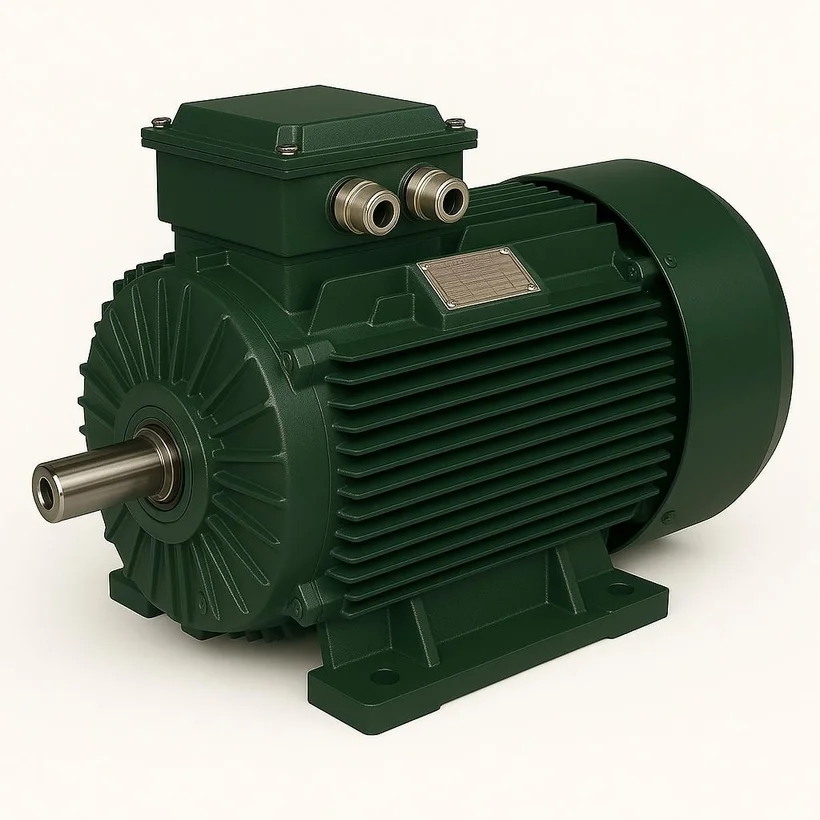
In hazardous area motors, the housing material is decisive for both mechanical strength and heat dissipation. Sturdy cast-iron housings provide the ability to withstand the internal pressure required by flameproof protection, while their large surface areas also contribute to efficient heat removal. Rapid removal of heat from the surface helps keep the surface temperature within the class limit.
Cable Connections and Sealing
The motor's terminal box and cable entries are often overlooked but critical components of hazardous area protection. Without suitable cable glands, even the best-protected motor has a weak point. Making cable entries with the correct sealing elements completes the integrity of the protection.
Earthing and Static Electricity
Static electricity buildup is another ignition source in a hazardous area. Correctly earthing the motor and connected equipment ensures that static charge is safely discharged. Especially in dust environments, static control must be treated as a complementary part of the protection strategy.
Reading the Marking and Certification
The label of a hazardous area motor clearly states zone suitability, gas/dust group, temperature class, and protection type. Reading this marking correctly is the fastest way to understand whether the motor is truly suitable for the environment in which it will be used. The label information must exactly match the field requirement.
Caution When Operating with a Frequency Inverter
When a hazardous area motor is driven by a frequency inverter, the additional heating and surface temperature rise that may occur at variable speed must be taken into account. Since cooling capacity decreases at low speeds, the temperature class margin is re-evaluated for this operating condition.
Cooling Fan and Air Flow
Most hazardous area motors are cooled by air over the fins on the housing. Blocking the cooling fan and air flow paths rapidly raises the surface temperature. During installation, leaving sufficient air circulation around the motor is necessary to maintain a safe surface temperature.
Spare Parts and Stock Planning
If a motor operating in a hazardous area fails, the replacement motor must also carry the same zone, group, and temperature class certification. Installing a standard motor in a hurried replacement creates serious risk. For this reason, in critical processes it is recommended to plan a suitably certified spare motor in advance.
Operator Training and Awareness
Even a motor with the best protection type retains its risk under incorrect use. Field personnel knowing the zone classification, the meaning of the marking on the motor, and the intervention procedures is the human side of safe operation. Awareness is as valuable as technical protection.
Correct Planning at the Project Stage
The best moment to make a hazardous area motor selection is when the facility is still in the design stage and the zone map is being drawn. When zone boundaries, gas/dust groups, and temperature requirements are clarified from the outset, motor selection proceeds smoothly and costly corrections later are avoided.
The Invisible Architecture of Safe Production
ATEX zone classification is a safety architecture that appears complex at first glance but is based on clear logic at its core: define the hazard, measure its duration, and match the correct protection type. When these three steps are applied correctly, a motor operating in a hazardous area becomes a quiet and reliable part of production. At DRG Motor, we support you in matching the right zone, gas/dust group, temperature class, and protection type for your hazardous area requirements. To evaluate your project's safety requirements together and to offer you the most suitable AC asynchronous motor solution, you can contact the DRG Motor expert team.