 English
 Le français
 Türkçe

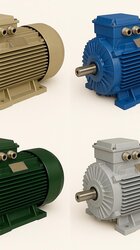
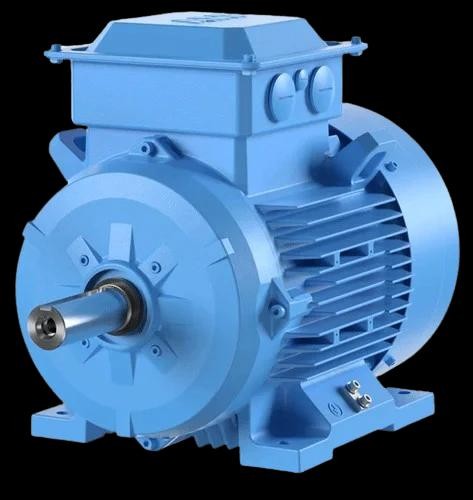

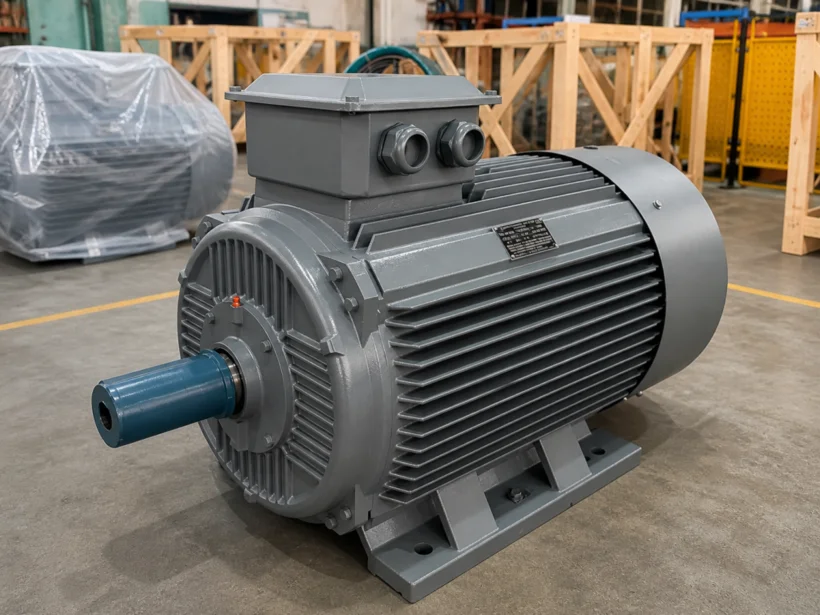
Cement manufacturing represents one of the harshest operating environments in heavy industry. From crushing raw materials to firing clinker, from grinding to packing, hundreds of industrial electric motors run without interruption throughout the process. Selecting an electric motor for a cement plant is never limited to a simple power calculation; it requires correctly defining equipment that will operate under constant dust, high temperature, abrasive wear, and the pressure of 24-hour continuous production. At DRG Motor, our AC asynchronous motor range (IE3, IE4, and IE5 efficiency classes) is designed to meet these demanding requirements of the cement sector.
In this article, we examine which motor characteristics matter in every major section of a cement plant, from rotary kiln drive to cement mill, from clinker cooling fan to separator and material handling systems, in a way specific to the industry. Our aim is to offer plant engineers and maintenance teams a practical perspective on motor selection.
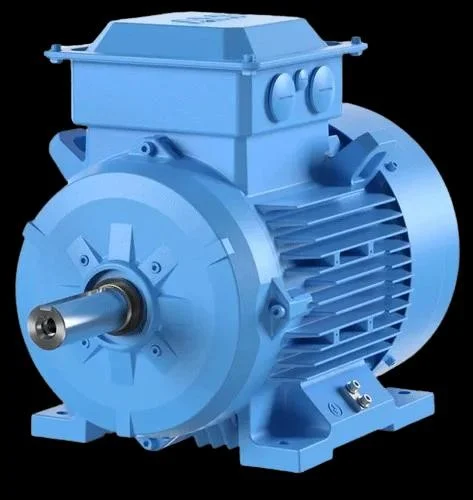
The Role of the Electric Motor in Cement Production
A cement plant ranks among the most energy-intensive industrial facilities. The largest portion of the plant's total energy expenditure is consumed by electric motors, which means motor efficiency directly reflects on production cost. The motors used in grinding and material handling systems form the heart of the plant, and their downtime can halt the entire production line.
The Severe Operating Conditions of a Cement Plant
The concentration of fine particles in the air is extremely high in a cement environment. This dust clings to the motor housing, clogs cooling fins, and can penetrate internal parts. At the same time, the high ambient temperature around the kiln stresses motor insulation. The combination of these two factors explains why dust-resistant enclosures and high-temperature endurance take priority in motor selection.
Rotary Kiln Drive Motor
The rotary kiln is the giant cylinder at the center of cement production, operating with a slow but steady rotation. Driving the kiln demands high torque, because overcoming the inertia of a kiln loaded with tons of raw material and turning it at a constant speed requires serious power. For this application, motors capable of producing high torque at low speed and withstanding heat load are preferred.
Speed Control in the Kiln Drive
The rotation speed of the rotary kiln directly affects the quality of the firing process. For this reason, kiln drive motors are usually driven by a frequency inverter. Inverter control provides both a soft start and the ability to fine-tune the speed according to process needs. DRG's inverter-compatible motors meet this requirement by producing stable torque across a wide speed range.
Cement Mill Motors
The mills that grind clinker and additives to the final cement fineness are the highest power-consuming units in the plant. At this point, motor selection is the most critical lever of plant efficiency. Two main mill types stand out in the cement industry, and each calls for a different motor characteristic.
Ball Mill Drive
Ball mills are heavy cylinders that grind material with the steel balls inside them. The starting of these mills requires very high initial torque under full load, because setting the stationary bed of balls into motion demands an enormous force. Ball mill motors must be sized to handle this high starting torque without overheating. In mill and grinding motor selection, this starting behavior is decisive.
Vertical Roller Mill Drive
Vertical roller mills have become widespread in modern cement plants due to their energy efficiency. In these mills, material is crushed between a rotating table and rollers. Here, the drive motor must continuously deliver constant and high torque. In the vertical mill application, IE4 or IE5 class high-efficiency motors offer significant energy savings over long operating hours.
Clinker Cooling Fan Motors
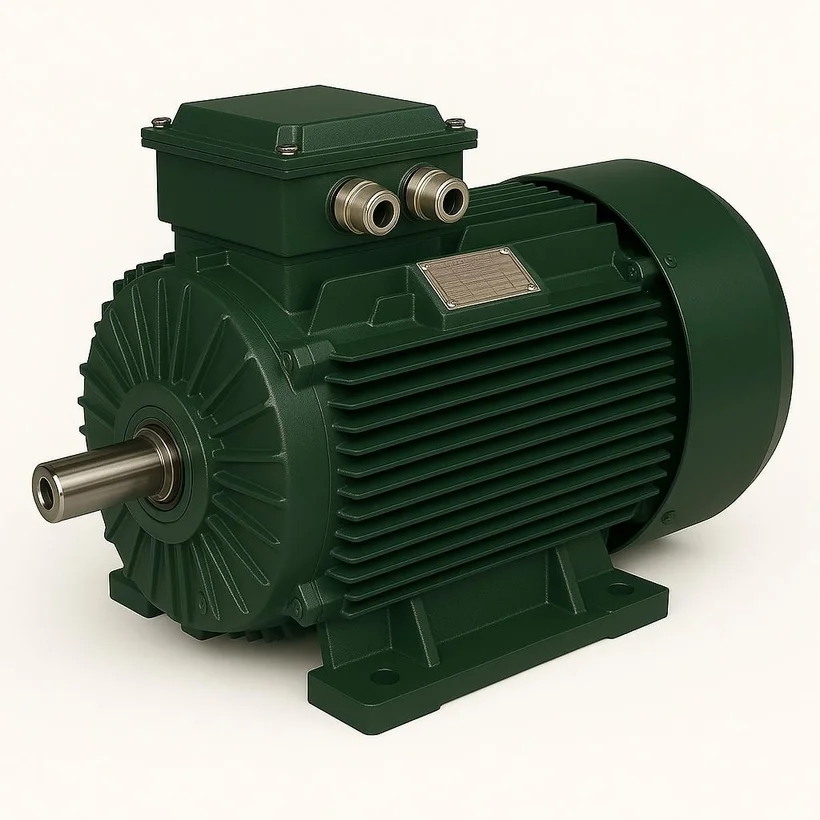
The hot clinker leaving the kiln is rapidly cooled by blowing air over it in the cooler. High-volume fans run for this process, and these fans draw considerable power. From the standpoint of fan and blower motor selection, the clinker cooling application requires special attention because of the combination of a hot environment and continuous load. The motors of these fans must operate without losing their rated power even at high ambient temperatures.
Process Fans and Aspiration
A cement plant has a kiln induced-draft fan, a preheater fan, and various dust collection aspirators. These fans maintain the gas balance of the process. In applications where the airflow varies, inverter-controlled motors provide both energy savings and precise air control. The cooling system of the aspiration motors must remain efficient despite the constant dusty environment.
Separator (Classifier) Motors
The separator is the rotating equipment that sorts the ground material by degree of fineness. While cement of the desired fineness is separated, coarse grains are sent back to grinding. The separator motor requires precise speed control, because the rotation speed directly determines product fineness. In this application, inverter-compatible motors that produce stable torque are used.
Conveyor and Belt Handling Systems
Material is transported from the quarry to the plant, and between units within the plant, by belt conveyors. Conveyor belt electric motor selection is made by considering the tonnage carried, belt length, and incline. In a cement environment, these motors must have high dust protection and be able to produce the torque needed to move a loaded belt at startup.
Bucket Elevator Motors
Bucket elevators, which carry material vertically to height, are indispensable equipment in a cement plant. These elevators are loaded with full buckets at the moment of startup and demand high starting torque. In elevator motors, a robust mechanical structure and sufficient torque reserve are important for sudden stop and restart scenarios.
Raw Material Crushing and Pre-Processing
The limestone and clay arriving from the quarry undergo size reduction in crushers before cement production. Similar to stone crushing plant motors, cement raw material crushers are also exposed to high impact load and abrasive wear. Crusher motors must have the torque capacity to absorb sudden load fluctuations. Our experience with aggregate and quarry motors is directly applicable in this area.
Dust Protection Class (IP) Selection
In a cement environment, the IP protection class is one of the most important factors determining motor life. Fine cement dust penetrates inadequately protected motors and damages windings and bearings. For this reason, enclosures offering high dust protection are preferred in cement applications. The topic of electric motor IP protection class selection explains in detail how to make the right choice in dusty environments.
High Temperature and Insulation Class
The high ambient temperature around the kiln constantly stresses the motor insulation material. Motors operating in these zones must have a high-temperature-resistant insulation class and, if necessary, be supported with external cooling. Correctly selecting the insulation class directly affects the thermal life and failure interval of the motor.
Continuous Operation (S1) Regime
Cement plants run continuously for most of the year. For this reason, motors must be designed for the S1 continuous duty regime. Thermally stable motors that can maintain a heating balance under constant load reduce unplanned downtime. Production continuity is the most critical variable in the economy of cement plants.
Efficiency Class and Energy Saving
Considering the annual energy bill of cement plants, even a few percentage points of improvement in motor efficiency mean large savings. The difference between high-efficiency electric motors and their low-efficiency counterparts pays for itself quickly in continuously running mill and fan motors. IE4 and IE5 class motors are a strategic investment for the cement sector.
Vibration and Mechanical Robustness
Heavy equipment such as mills and crushers generates intense vibration. Motors must have a robust frame, reinforced bearings, and a balanced rotor structure to withstand this vibration. Mechanical robustness is the fundamental factor determining failure frequency in heavy industrial conditions.
Bearing and Mounting Selection
When the dust in a cement environment reaches the bearings, it causes premature wear. Therefore, effective sealing and appropriate lubrication systems are critical in motors. In high-power mill motors, bearing life is at the center of maintenance planning, and the right bearing selection significantly reduces downtime.
Cooling Methods
In a dusty and hot environment, standard fan cooling may prove insufficient. In this case, external cooling or closed-circuit cooling solutions come into play. Selecting the cooling system appropriate to the ambient conditions is mandatory for the motor to maintain its rated power.
Packing and Loading Systems
In the final stage of production, cement is prepared for shipment with bag filling and bulk loading systems. Although the motors in these units are of smaller power, they require continuous and precise operation. On filling lines, speed control determines packing speed and accuracy.
A General Approach to Heavy Industrial Conditions
Cement is one of the most demanding industrial environments, and motor selection must be made according to this reality. The dust, temperature, vibration, and continuity factors we address under electric motor challenges in heavy industry all come into play simultaneously in cement plants.
Correct Sizing of Motor Power
Selecting a motor too small leads to overheating and premature failure, while selecting it too large results in efficiency loss under light load. Motor power should be optimized by correctly analyzing the load profile of the cement equipment. Correct sizing lowers both energy and maintenance costs.
Starting Methods and Torque Requirements
For loads with high inertia such as mills and elevators, a direct-on-line start can place a heavy burden on the grid. For this reason, a soft starter or inverter-based start is preferred. Selecting the right starting method both extends motor life and reduces the sudden load on the grid. A similar torque challenge stands out in the topic of compressor motor starting torque.
Resistance to Grid Fluctuations
When large loads such as mills and crushers switch in and out in cement plants, voltage fluctuations may occur on the grid. It is important for motors to be resistant to these fluctuations for the stability of production. A motor design that keeps torque loss to a minimum during voltage dips reduces the risk of sudden stoppage.
Housing Design Against Ambient Dust
In a cement environment, even the surface design of the motor housing makes a difference. Smooth, easy-to-clean surfaces reduce dust accumulation on them and keep cooling effective. The design of cooling fins should be optimized to prevent dust from filling the channels. These details help keep the motor temperature under control in a hot and dusty environment.
Load Profile and Operating Hours Analysis
Each piece of cement equipment has its own load profile; some operate under constant load while others see variable load. Before motor selection, this load profile and daily operating hours must be analyzed correctly. While efficiency is prioritized in equipment with high operating hours, starting behavior comes to the fore in intermittently running equipment.
Spare Motor and Stock Management
In cement plants where production continuity is critical, keeping spare motors for critical equipment is a common strategy. Motors with standard frame sizes and common power ratings facilitate spare supply. This means rapid intervention and short downtime in the event of a failure.
Maintenance and Monitoring
In cement plants, unplanned downtime is very costly in terms of production loss. For this reason, monitoring motors with temperature and vibration tracking systems has become widespread. A preventive maintenance approach allows unexpected motor failures to be anticipated and planned intervention to be made.
Water Pump and Auxiliary Systems
In a cement plant, auxiliary systems such as cooling water, process water, and the fire line also run on motors. Water pump electric motor selection is important for the reliability of these auxiliary lines. Although auxiliary systems may seem minor, they support the uninterrupted operation of main production.
Relationship with Steel and Cast Part Supply
Many parts of cement equipment are produced in foundries. Our experience with the steel and foundry plant electric motor gives us a broad perspective in producing heavy-bodied, high-strength motors. This accumulated knowledge strengthens the solutions we offer to the cement sector.
Crane and Lifting Equipment
During maintenance and assembly work, cranes are used within the plant to move heavy parts. Crane and lifting electric motor applications require precise positioning and safe braking behavior. These motors directly affect the safety of maintenance operations.
Dust Explosion Risk and Ambient Safety
Certain cement and additive materials carry a dust explosion risk under specific conditions. In these zones, specially protected solutions may be required instead of standard motors. The topic of ATEX zone classification explains how to determine the right motor in hazardous areas.
Thermal Management in the Clinker Line
The clinker production line is the area of the plant that reaches the highest temperature, and the thermal management of the motors in this zone must be carefully planned. As the ambient temperature rises, the motor's rated power capacity decreases; therefore, a temperature derating factor is taken into account in motor selection in hot zones. Correct thermal management ensures that the motor can fully deliver its expected lifespan and prevents winding failures.
Energy Recovery and the Whole of Efficiency
Modern cement plants address motor efficiency not individually but as a whole at the plant level. When high-efficiency motors are evaluated together with inverter control, correct power sizing, and regular maintenance, total energy consumption drops noticeably. This holistic approach also reduces the carbon footprint of cement production and contributes to sustainable production goals.
DRG Motor's Approach to the Cement Sector
At DRG Motor, we offer AC asynchronous motor solutions in IE3, IE4, and IE5 efficiency classes for the mill, fan, kiln drive, and handling equipment of cement plants. Our engineering team, who understand the fundamental working logic of the electric motor, analyzes the load profile of each application and jointly evaluates the right power, the right protection class, and the right efficiency option.
The Right Motor Partner for Your Cement Plant
In cement production, where the pressures of dust, temperature, and continuity coexist, motor selection is the foundation of production safety. A wrongly selected motor leads to both energy loss and unexpected stoppages. A correctly selected motor, on the other hand, contributes to the plant's efficiency by running trouble-free for years. For all your drive needs, from your cement plant's mill to its conveyors, contact the DRG Motor engineering team; let us determine together the AC asynchronous motor solution best suited to your application.