 English
 Le français
 Türkçe
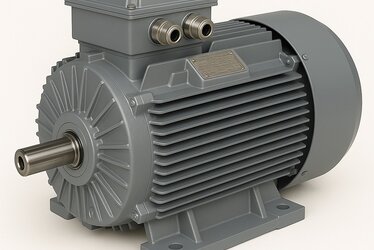
How to Choose the Right Electric Motor
How to Choose the Right Electric Motor Selecting the right electric motor is a critical step to ensure both efficient motor operation and the long lifespan of the system. The choi... More Details

How to Choose the Right Electric Motor Selecting the right electric motor is a critical step to ensure both efficient motor operation and the long lifespan of the system. The choi... More Details
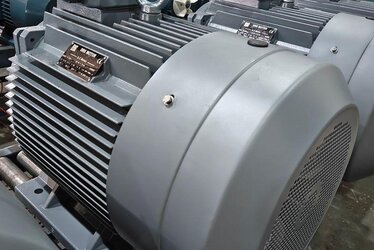
Electric Motor Preferences by Industry Contact: +90 (542) 666 11 11 Electric motors are used across various industries under different operating conditions. The type of motor r... More Details
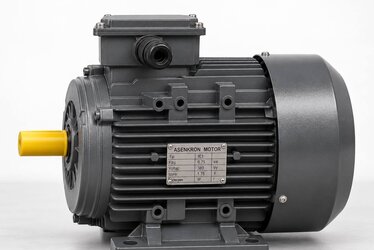
Custom electric motor types require the frame, mounting, speed and efficiency class to be selected together so the unit fits each business's particular load profile, operating envi... More Details
A high kW motor should be chosen by "which job it fits", not by "how powerful it is". Two motors of the same power rating serve entirely different applications when their speed, mo... More Details
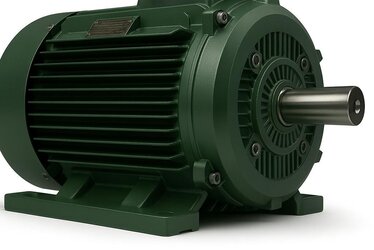
Every business has a different load, environment and working rhythm, so there is no single "best motor", only the motor that best fits the need. The right choice begins by matching... More Details
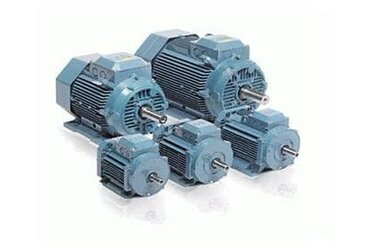
High kW Electric Motors Suitable for Your Needs Contact: +90 (542) 666 11 11 From industrial production to heavy-duty applications, high kW electric motors play a critical role i... More Details
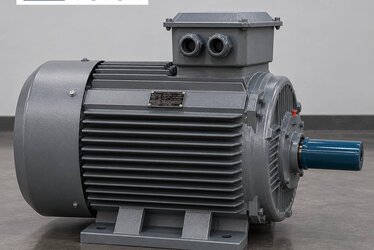
Every electric motor carries a label on a small metal plate that serves as its identity card. This nameplate contains all the essential technical information, from the motor's powe... More Details
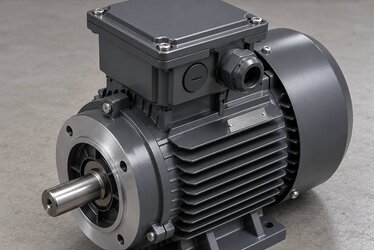
Wherever an electric motor is going to operate, it must be protected against the dust, moisture and water of that environment. The level of this protection is defined by the IP pro... More Details
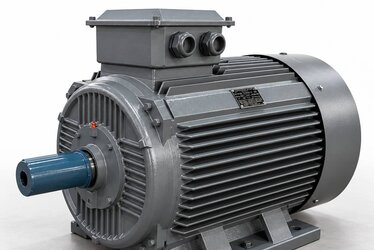
An electric motor's performance depends on its own characteristics and on the conditions of the environment in which it operates. Ambient temperature and altitude (height above sea... More Details
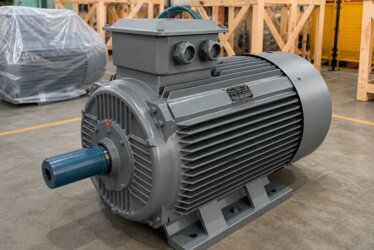
When selecting an electric motor, the first value most people look at is the power rating in kilowatts. Yet the concept that truly determines how a motor will behave in real life, ... More Details
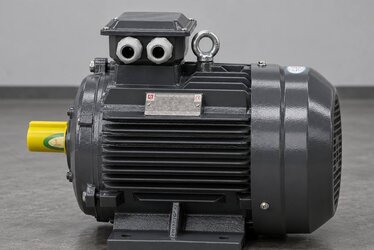
The path to selecting the right motor often does not run, as is commonly assumed, through looking only at the power value. What really matters is the character of the load the moto... More Details
How quickly a motor can bring a load to the desired speed depends on a critical quantity that is often overlooked yet determines both the starting behavior and the life of the moto... More Details
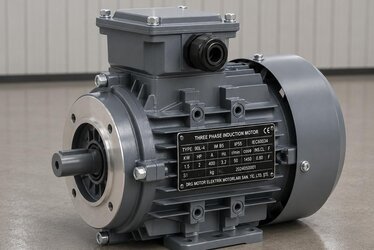
The efficiency of any plant lives in the balance between the power of the electric motor you buy and the work it actually has to do. A motor sized too small is forced to struggle, ... More Details
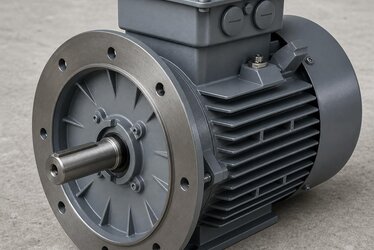
Choosing an electric motor by glancing at the kilowatt rating on the nameplate is one of the most common and most expensive mistakes a buyer can make. Two motors with the same rate... More Details
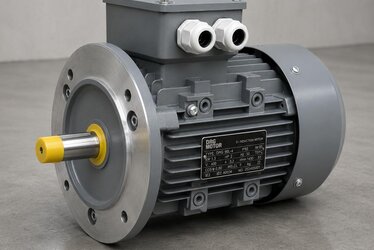
Buying an electric motor is only the visible part of the procurement process. The real difference appears after the motor reaches the field: was the right type selected, was the wi... More Details
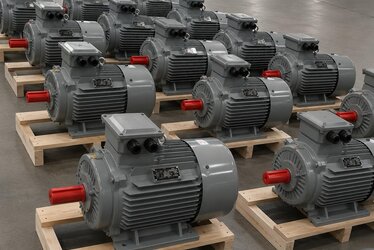
When you choose a motor for a machine, the first technical decision often comes before power itself: how fast should the motor turn? The answer is tied directly to the number of po... More Details
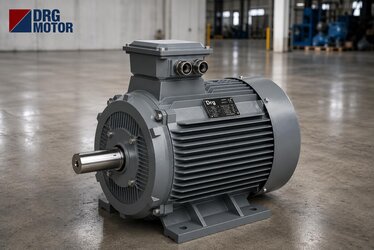
When the same motor burns out for the third time in six months, most plants instinctively call the rewinder first. Yet behind a recurring failure there is rarely a purely electrica... More Details
A motor delivers its full nameplate rating in a cool workshop at sea level, yet the very same motor is forced to run below that label on a high mountain plateau or in the hot bay o... More Details