 English
 Le français
 Türkçe

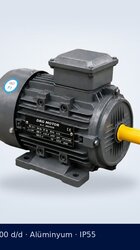
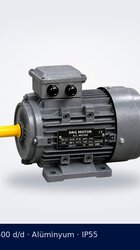
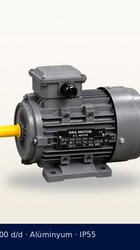
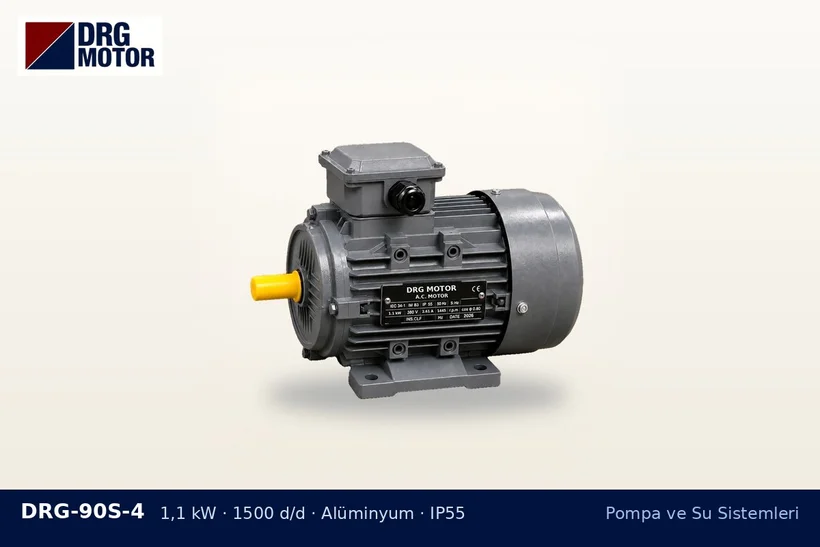
What wears out a motor at a swimming pool is not water directly but the chlorine vapour and constantly condensing moisture in the plant room. IP55 protection offers an adequate starting point against water splashes and dust; however, chlorine-laden air gradually corrodes the paint, bolts, fan cover and terminal box. Along with the selection, the motor's location and the ventilation of the plant room should also be planned.
The effect of chlorine on the motor
If a dosing pump, chlorine tablets or liquid chlorine containers are kept in the plant room, chlorine compounds build up in the air. Combined with moisture, these compounds attack bare steel surfaces, cable terminations and fasteners. In pools using a salt water chlorinator, the environment also contains salt. When choosing a motor, keeping chemicals away from it in a separate compartment matters as much as paint quality.
Humidity and condensation
- In indoor pool buildings the plant room is warm and humid; condensation can form inside the frame when the motor stops.
- This effect is more pronounced in pools that close at night or operate seasonally.
- Condensate drain holes must be at the bottom for the mounting orientation and must not be blocked.
- The motor should not be placed at floor level where water could collect.
Mind the pump type and electrical supply
Most small pool pumps are integrated units combining a pre-filter housing and motor, with a special shaft and single-phase supply. DRG's standard range does not include single-phase motors; an assessment can be made if there is a three-phase supply and a coupled or standard-flanged pump that accepts a standard IEC motor. The match between pump and motor dimensions should be checked before ordering.
Measures that can be taken in the plant room
Ventilation that brings clean outdoor air into the room, air circulation around the motor and storing chemicals in a closed cabinet noticeably extend motor life. Properly closing the terminal box cover and cable glands is a simple but often overlooked step.
Additional moisture protection options are described in the article on moisture and corrosion protection. Criteria for closed-loop water systems are on the circulation pump motor page; for a three-phase pump you can browse aluminium frame models in the shop.