 English
 Le français
 Türkçe
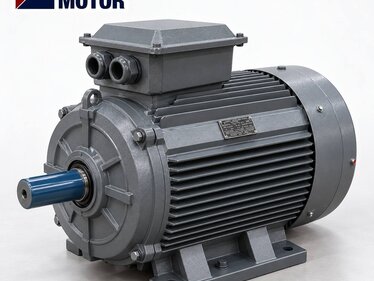
WHAT IS IE3 EFFICIENCY CLASS?
The IE3 efficiency class is part of the international IEC 60034-30-1 standard that defines the energy efficiency of electric motors. Called "Premium efficiency," this class sets th... More Details

The IE3 efficiency class is part of the international IEC 60034-30-1 standard that defines the energy efficiency of electric motors. Called "Premium efficiency," this class sets th... More Details
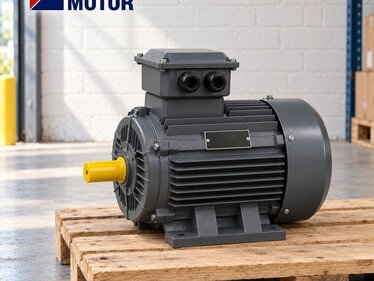
IE3 and IE4 are two top-tier classes that define the efficiency of electric motors; the choice between them feeds straight into the energy bill for most plants. The IEC 60034-30-1 ... More Details
In a new installation in Turkey the efficiency floor is no longer a preference. In line with the European ecodesign rules, low classes such as IE1 are being pushed out of defined p... More Details
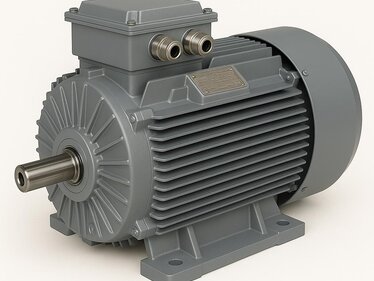
IE3 and IE4 are two high-efficiency classes in the DRG Motor product range. Both run with low losses; the right choice depends on the application's running time and energy cost. IE... More Details
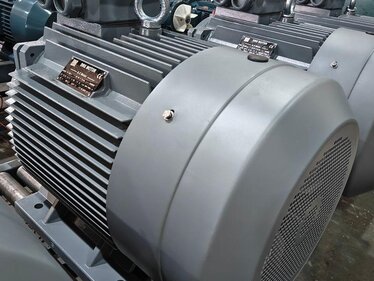
For large production lines, crushers and heavily loaded conveyors, high kW electric motors become far more flexible when offered in both IE3 and IE4 efficiency classes. As a suppli... More Details
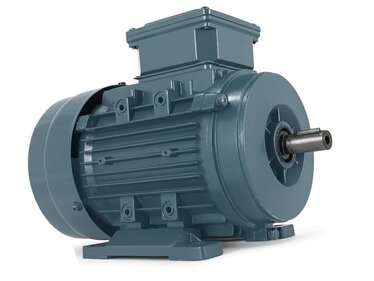
High Efficiency Standard IE3 Electric Motors Contact: +90 (542) 666 11 11 Today, energy savings and environmental sensitivity have become primary requirements in industrial ele... More Details
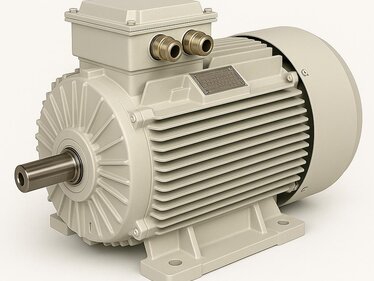
IE3 electric motors meet the Premium efficiency level of the IEC 60034-30-1 standard and have become the choice of industrial plants across Türkiye. With domestic manufacturing, th... More Details
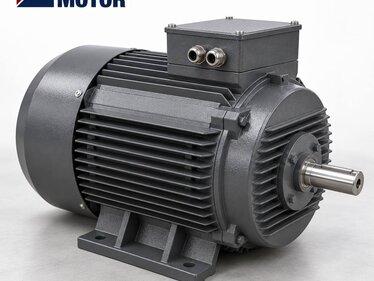
An IE3 electric motor represents the Premium efficiency class under the IEC 60034-30-1 standard and is mandated in many countries as the minimum efficiency level for certain power ... More Details
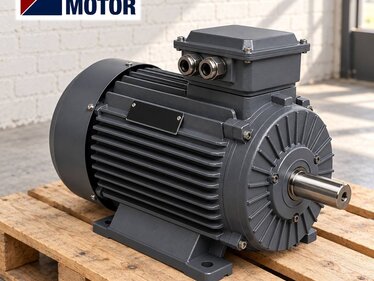
IE3 electric motors built for continuous duty are developed for production lines, pumps and fans expected to run uninterrupted in S1 duty for most of the year. In these application... More Details
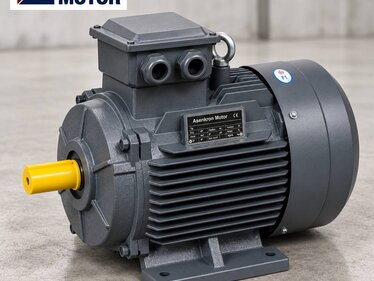
IE3 and IE4 are the Premium and Super Premium efficiency classes of IEC 60034-30-1, and they define how few losses a motor runs with. The choice between these two classes usually c... More Details
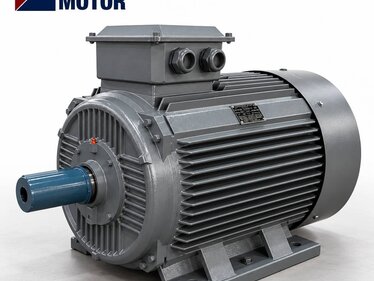
Heavy industrial duty means high torque, long running hours, vibration and dusty surroundings. Under these conditions an IE3 (Premium efficiency) electric motor combines low energy... More Details
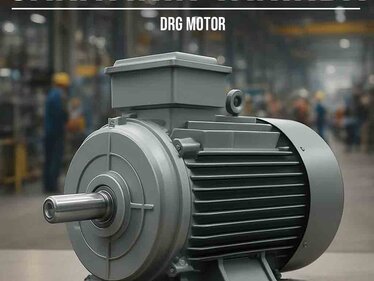
An IE3 motor is a three-phase asynchronous motor that meets the Premium efficiency class under IEC 60034-30-1 and has become the de facto standard for industrial applications. In i... More Details
An IE3 motor is an asynchronous electric motor that meets the "Premium Efficiency" class of the IEC 60034-30-1 standard. Mandated in many countries as the minimum efficiency for ce... More Details
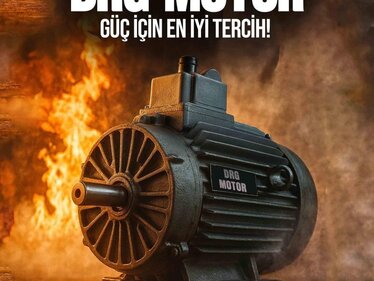
When choosing an IE3 electric motor, "good value" means not just a low label figure but the smartest choice across the sum of purchase, energy and maintenance costs. Under IEC 6003... More Details
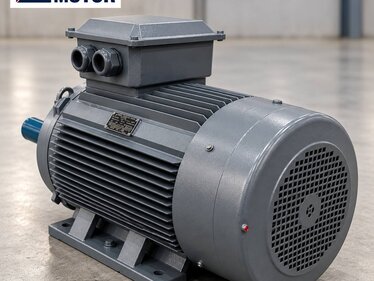
The 22 kW electric motor, at about 30 HP, is one of the most widely used medium-power classes in industry; it serves as a reliable drive on many lines, from pumps to conveyors and ... More Details
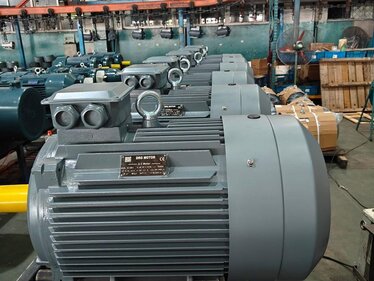
High efficiency and durability are often treated as separate motor qualities, yet both flow from the same design decisions. The quality materials that cut losses also run the motor... More Details
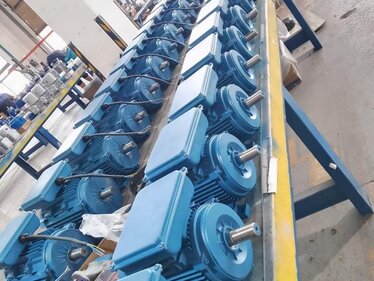
High-torque IE3 motors are designed for applications that demand a strong starting moment when the shaft begins to turn and while carrying heavy loads. On lines that move under loa... More Details
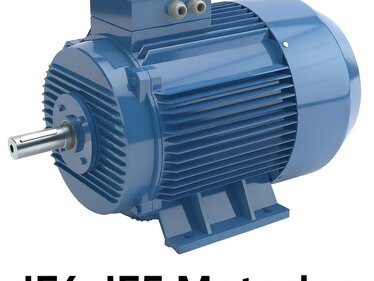
Uninterrupted production rests on motors that were chosen correctly in the first place. Different industries ask for different combinations of power, efficiency and durability, and... More Details
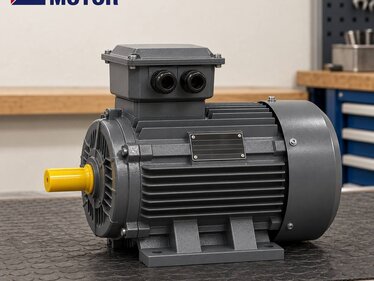
The DRG IE3 motor difference comes down to one principle: doing the same work with less energy. By reducing its losses compared with IE1 and IE2, an IE3 Premium motor delivers a la... More Details
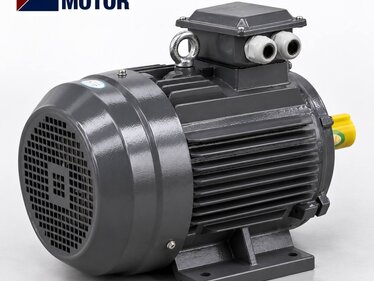
A plant's motor fleet often spans from small drives of a few hundred watts to main machines of several hundred kilowatts. Building a reliable, long-lasting fleet calls for consiste... More Details