 English
 Le français
 Türkçe

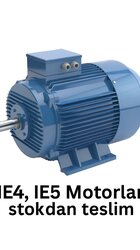
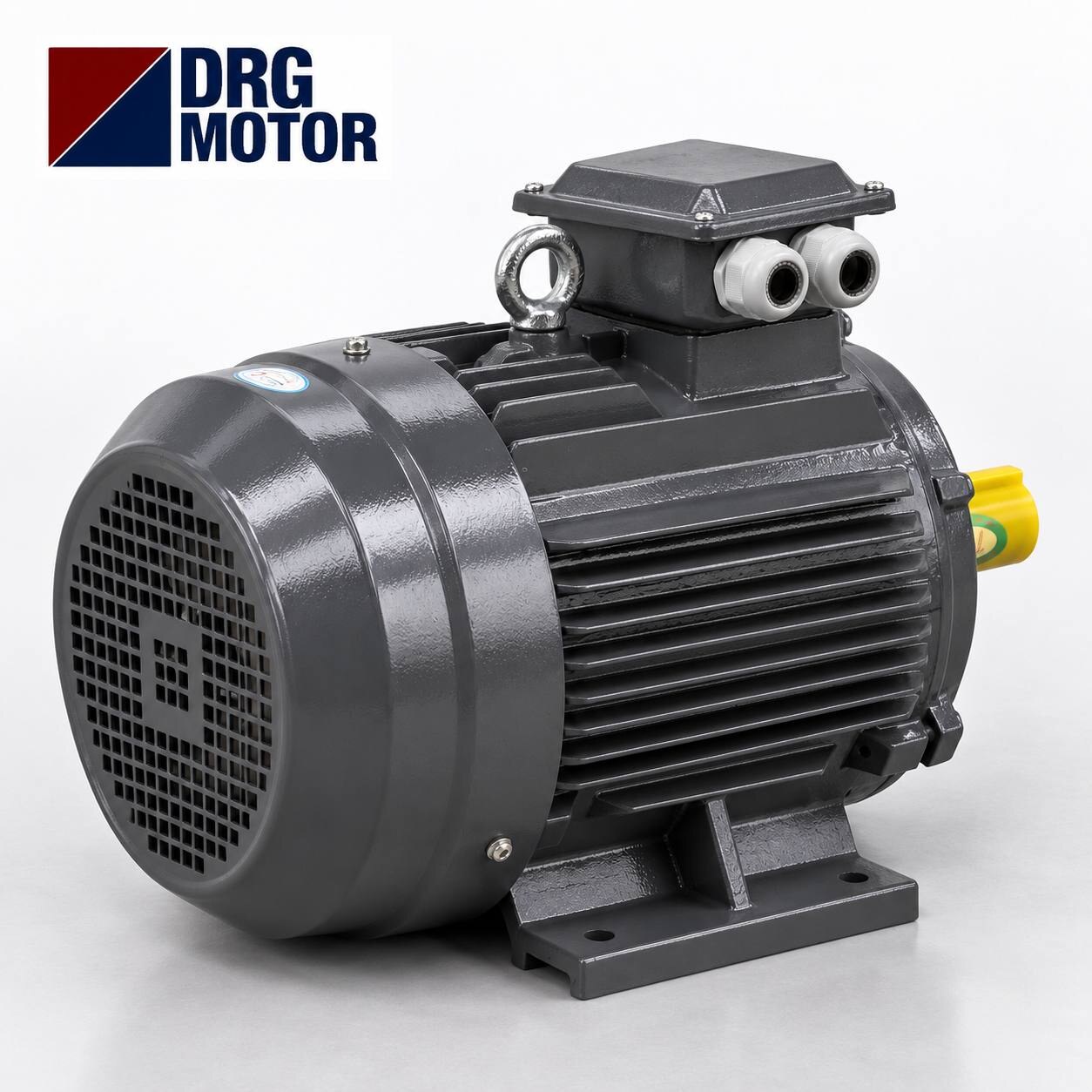

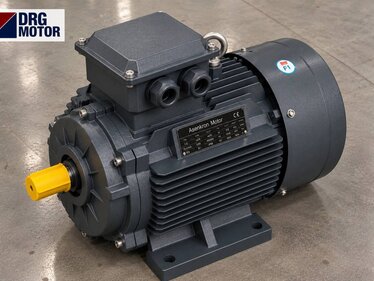
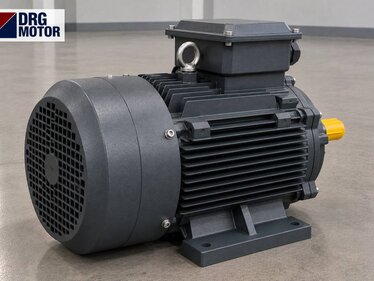
A plant's motor fleet often spans from small drives of a few hundred watts to main machines of several hundred kilowatts. Building a reliable, long-lasting fleet calls for consistent quality and correct selection across both low and high kW classes.
The Difference Between Low and High kW
Low kW motors typically serve pumps, fans, small conveyors and auxiliary drives, where compact build and low running cost matter. High kW motors turn main production machines, crushers and large fans; here torque capacity, heat management and mechanical strength are decisive. At both ends, the correct pole and speed choice affects service life.
What Makes Motors Last
Motor life is directly tied to insulation quality, bearing choice, balancing and frame strength. Class F insulation withstands high winding temperatures, IP55 protection guards against dust and moisture, and a cast iron frame damps vibration to add durability, especially in the high kW class. A lower operating temperature extends life in every power class.
Consistency from a Single Source
Producing motors of different power classes to the same quality standard simplifies maintenance and spare-parts management. Working with one supplier streamlines operations through compatible mounting types (B3 / B5 / B14) and standard protection levels across both low and high kW motors.
DRG Motor Across the Power Range
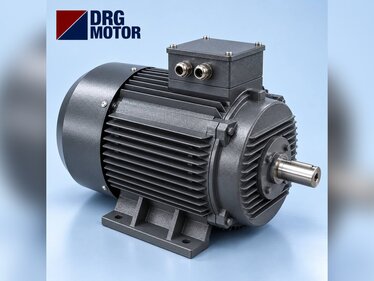
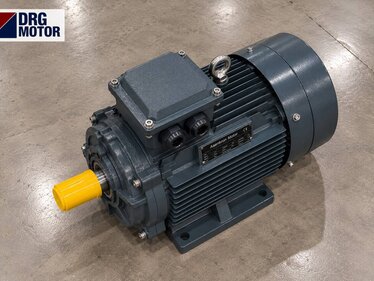
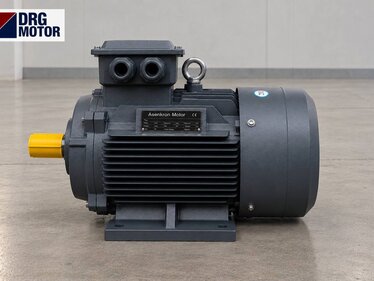
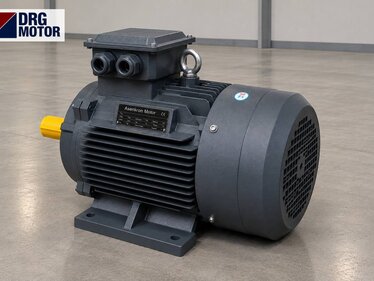
DRG Motor meets all of a plant's power needs under one roof with three-phase motors from 0.55 to 355 kW at 400 V / 50 Hz. Share which machine needs which power, speed and mounting, and the suitable models are chosen together; with Izmir-based manufacturing, supply and support move without interruption.
DRG Electric Motors Suited to This Topic
The models below are available in the DRG Motor online shop. Click a model code to see its technical data, dimensions and current price, and order right away.
- DRG-112M-4 – 4 kW – 1450 rpm – aluminium frame
- DRG-160M-4 – 11 kW – 1465 rpm – cast iron frame
- DRG-180L-4 – 22 kW – 1470 rpm – cast iron frame
- DRG-225S-4 – 37 kW – 1485 rpm – cast iron frame
Click to see current prices of all electric motors and order nowSEE PRICES →