English
 Le français
 Türkçe

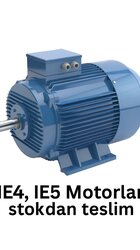
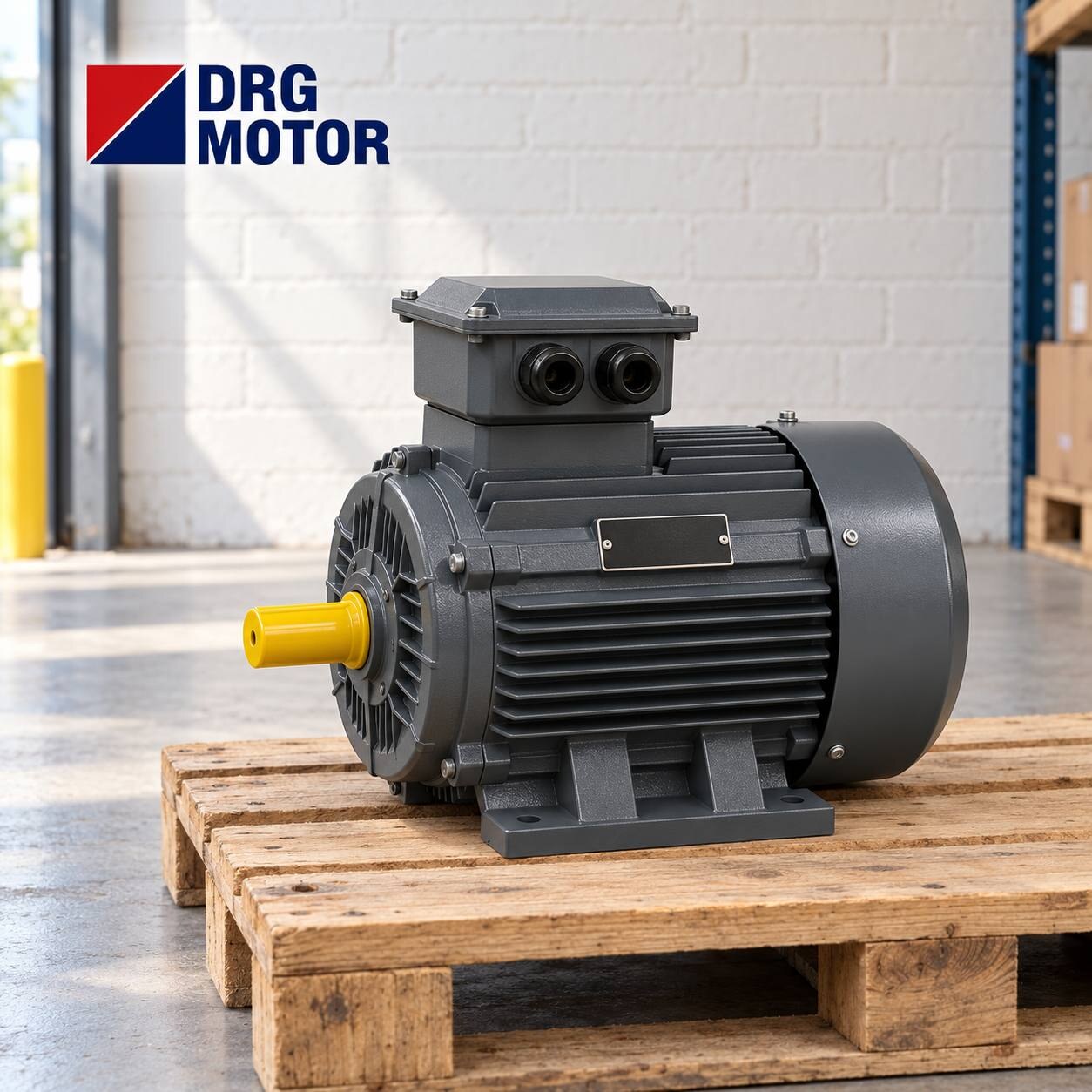
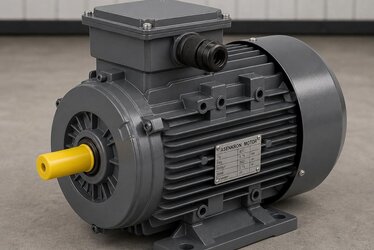
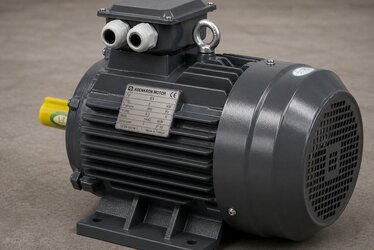
IE3 and IE4 are two top-tier classes that define the efficiency of electric motors; the choice between them feeds straight into the energy bill for most plants. The IEC 60034-30-1 standard defines these classes clearly, and it is one of the key criteria that determine a motor's lifetime cost. Our İzmir line covers both classes.
The Difference Between IE3 and IE4
IE3 denotes the "Premium" efficiency class and IE4 the "Super Premium". IE4 motors run with fewer losses at the same power, passing a larger share of the energy drawn from the grid to the shaft. Though the gap looks like small percentages, on a continuously running motor it becomes a clear saving in annual consumption.
When IE3, When IE4?
For an application running a few hours a day, IE3 can be a balanced choice. But on a pump or fan turning thousands of hours a year in S1 duty, the low loss of IE4 repays the initial price gap quickly. The decision depends on running time as well as power.
The Effect of Efficiency Class on Lifetime Cost
Most of the money a motor spends over its life is electricity; the purchase price is small beside it. Raising the efficiency class, though dearer at first, lowers total cost. Moving from IE3 to IE4 is a sound decision in the right application.
DRG Motor IE3 and IE4 Options
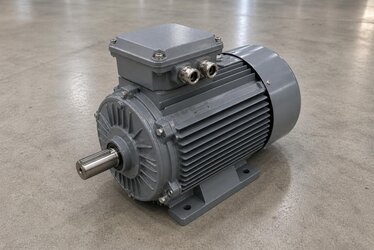
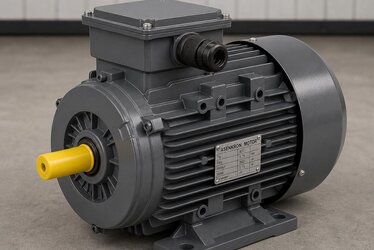
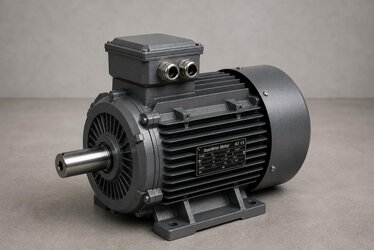
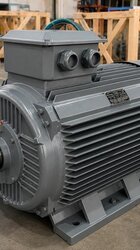
Our IE3 and IE4 motors, from 0.55 to 355 kW, in 2/4/6-pole versions with IP55 and Class F insulation, come in B3/B5/B14 mounting options. You can assess with DRG Motor which class suits your running time and power better.