English
 Le français
 Türkçe

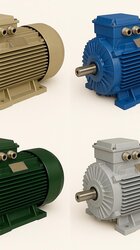
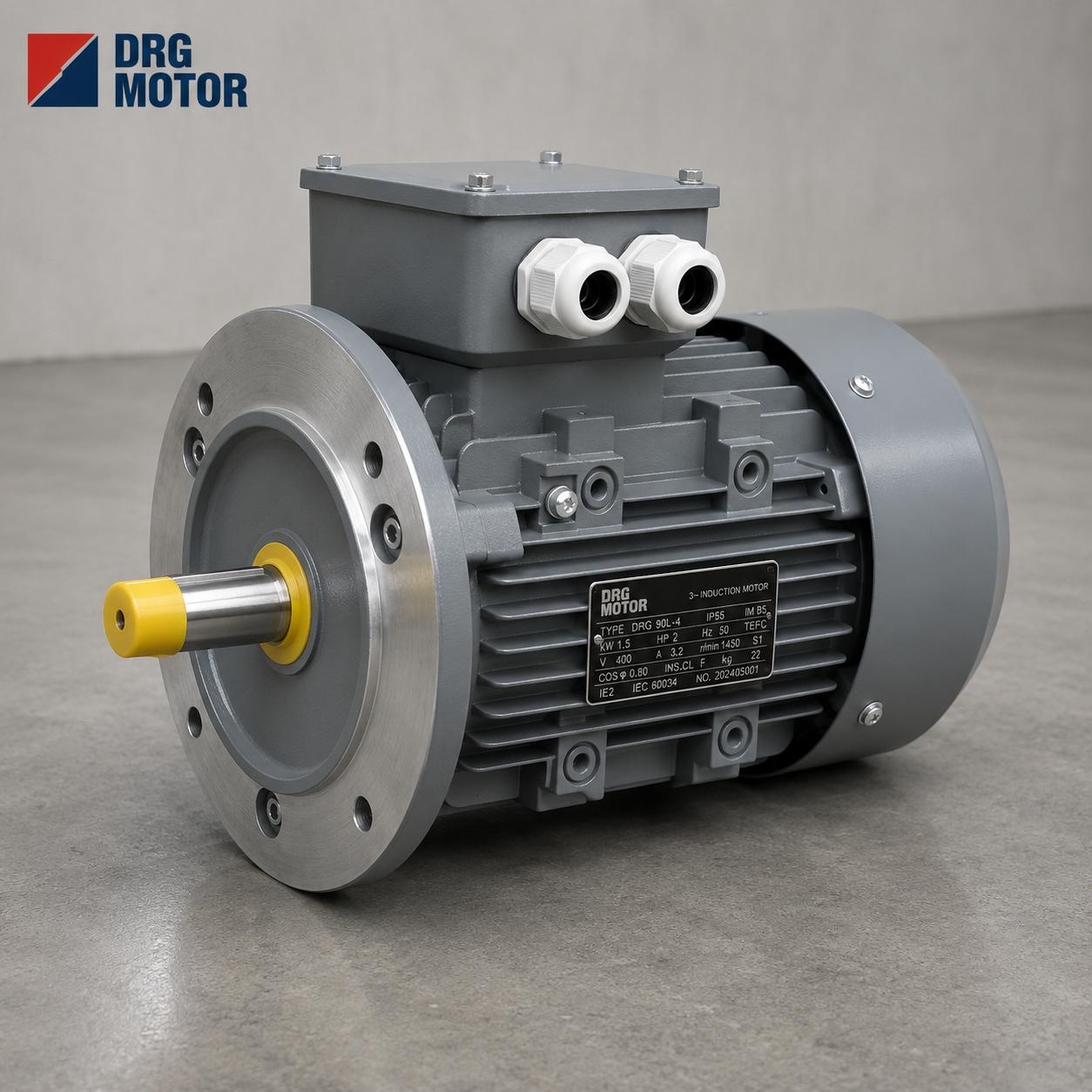

When you request a quote for an electric motor, you may wonder why the figure changes from one supplier to another. Two motors with the same rated power can differ significantly in price, often because of technical choices, operating conditions and supply arrangements that are easy to overlook. Understanding what drives electric motor prices and how a sound quote takes shape directly affects both your budget and the working life of your project. In this article we break down the main elements that make up a motor's cost, explain what to watch for during the quote stage, and show you how to secure the best possible terms without compromising on quality.
How Power and Speed Shape the Cost
The rated power (kW) and rotational speed (rpm) of a motor are the two most decisive factors in its price. As power increases, so does the amount of copper, steel lamination and mechanical components used, which feeds straight into material cost. Low-speed motors are bulkier and more expensive because they produce the same power with more poles. The difference between a 3000 rpm and a 750 rpm version of a 7.5 kW motor can be surprising, simply because the low-speed model demands far more material and labour. During the quote process, defining exactly what power and speed your application truly needs is the first step toward avoiding overspending. In many plants, motors are oversized under the excuse of a safety margin, which needlessly raises both the initial investment and the energy bill. Correct sizing is the most effective way to keep the price under control.
Frame Material and Mechanical Design
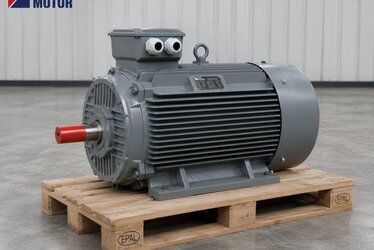
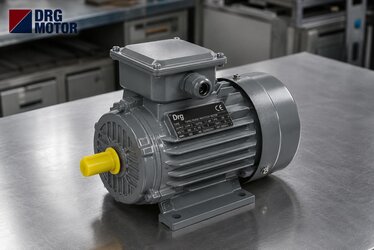
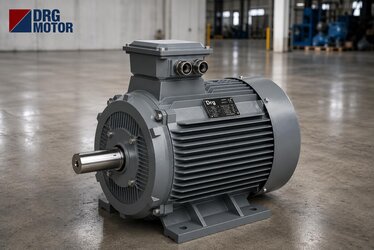
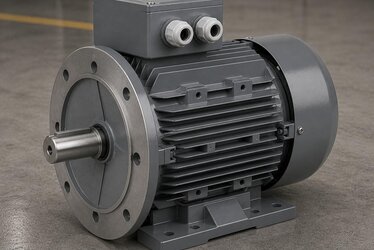
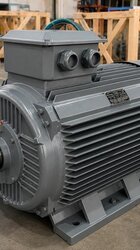
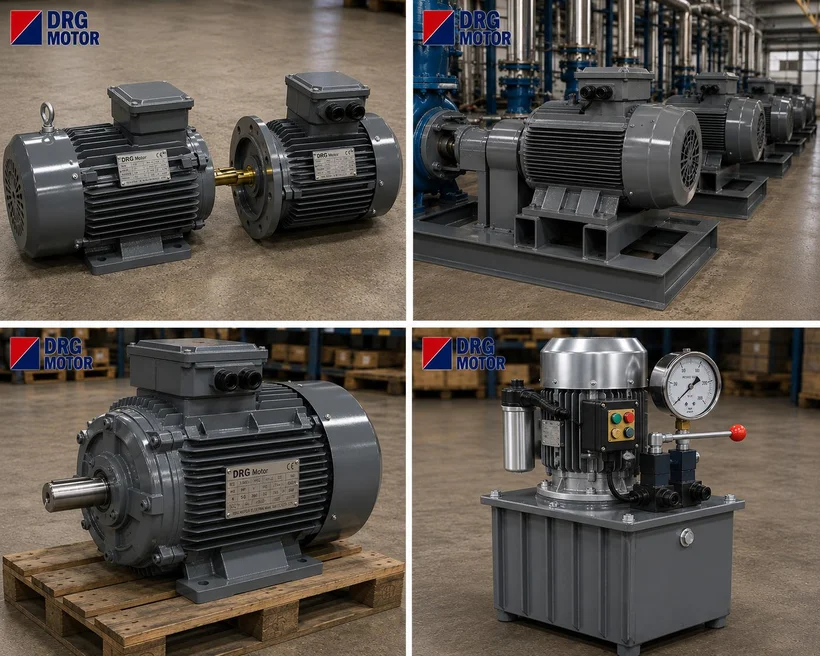
Whether the motor housing is cast iron or aluminium affects both weight and price. Aluminium-framed motors are usually lighter and easier to install, requiring less labour to move and position. Heavy industrial environments and high-vibration applications, on the other hand, favour the durable pik döküm motor. This is not merely a matter of convenience; it is a decision that must reflect the vibration, temperature and mechanical load of the working environment. Choosing the wrong frame material may look cheaper in the short term, but it comes back as failure and replacement costs over time. The mounting type and the motor gövde boyu also influence mechanical compatibility and therefore the final quote. A frame size that does not match your existing system can introduce extra adaptation expenses you did not plan for.
The Long-Term Effect of Efficiency Class
Efficiency classes such as IE2, IE3 and IE4 raise the purchase price while lowering the running cost. A high-efficiency motor may look more expensive at first, but on a line that runs continuously, the savings on electricity close that gap within a few years and then turn into profit. On a motor that runs 16 hours a day, even a few points of difference in efficiency class become a meaningful line on the annual electricity bill. When evaluating a quote, you should look beyond the sticker price and consider the motor's annual operating hours and energy cost. This approach lets you calculate the total cost of ownership realistically rather than reacting only to the headline figure. For motors that run rarely or serve as spares, a more economical efficiency class can make sense; the right balance depends on the usage profile.
Protection Rating and Environmental Conditions
The environment in which the motor will run determines the ingress protection (IP) rating you need. Dusty, humid or outdoor applications call for a higher IP value, which is reflected in the cost. Likewise, environments with high temperatures, chemical exposure or explosion risk require special insulation and housing solutions. Trying to use a standard motor in a harsh environment soon ends in winding failure and downtime. Sharing these details at the quote stage prevents the failures and replacement expenses that would otherwise appear later. Defining environmental conditions accurately safeguards both safety and the working life of your investment.
- Dust, humidity and temperature of the working area
- Whether operation is continuous or intermittent
- Whether the motor will be fed by a frequency inverter
- Mounting type and shaft orientation requirements
- Whether it sits outdoors or inside an enclosed facility
Accessories and Custom Requests
Add-ons such as thermal protection, encoders, brakes, forced-cooling fans or special shaft dimensions change the price of a standard motor. If these features are critical to your application, they must be specified from the start; otherwise you risk incompatibility and delays during installation. A motor running at low speed with a frequency inverter often requires a forced-cooling fan, and adding it afterwards is both costly and a waste of time. For standard configurations, general-purpose industrial motors answer most needs quickly and cost-effectively, while custom requests may lengthen the quote process slightly but guarantee the right solution. Working with an experienced supplier to decide which accessory is truly necessary and which is an avoidable cost is a smart move that protects your budget.
Quantity, Stock Status and Lead Time
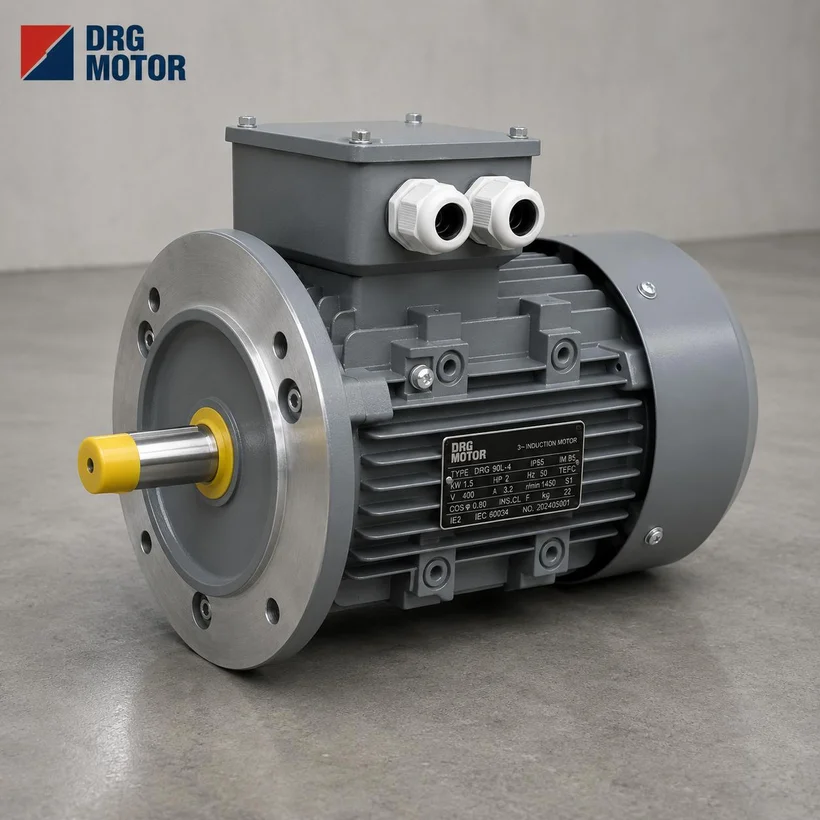
Order quantity has a clear effect on price. The unit price for a single motor differs from buying dozens of the same model, and bulk orders let you negotiate more favourable terms with us. Standard models held in stock are delivered faster and priced more predictably. For models that require special production or import, lead time and logistics costs become part of the quote, and currency fluctuations can also affect the price of such items. Sharing your project timeline early allows accurate stock planning and removes the risk of unexpected delays. For urgent needs, choosing a model that can be shipped from stock is usually the most sensible solution in terms of both time and cost.
Brand, Warranty and After-Sales Support
The price gap between two motors with identical technical specifications often comes down to the assurance behind the brand. A well-known brand's motor may look more expensive at first glance, but the warranty period, spare-part availability and after-sales technical support more than make up for the difference. If a motor at the heart of a production line fails, fast access to parts and service support becomes a minor item next to the cost of downtime. When evaluating a quote, you should factor in the warranty scope, spare-part availability and how reachable the supplier is. A cheap but unsupported solution reveals its true cost at the first failure. Working with a reliable supplier means buying not just a product, but a long-term business partnership.
How a Sound Quote Comes Together
A good quote starts with a complete request list. Providing power, speed, mounting type, protection rating, frame material, efficiency class and any special accessories together lets us produce the correct price in a single pass. Vague requests force several revisions, costing both time and confidence. Where possible, sharing the nameplate details of your existing motor or a photo of the unit you need to replace speeds the process considerably. The power, speed, voltage, frequency and frame size on the nameplate are the keys to finding the correct equivalent. The clearer your request, the more realistic and comparable the price you receive will be. A well-prepared request clarifies price and lead time together, making your planning easier. When assessing a quote, looking at each item it covers individually rather than just the bottom line lets you make a genuine comparison.
Point Your Budget in the Right Direction
Electric motor prices are never a single number; they are the sum of technical choices, operating conditions and supply factors. The way to find the right motor on the best terms is to define your need clearly and work with an experienced supplier. The cheapest quote is not always the right one; what matters to you is securing a motor that fits your application precisely and runs trouble-free for years at a competitive price. Share the details of your application with us, and our team will determine the most suitable configuration and prepare a clear price offer for you. Get in touch now to source your motor with the right specifications and without overpaying.