English
 Le français
 Türkçe




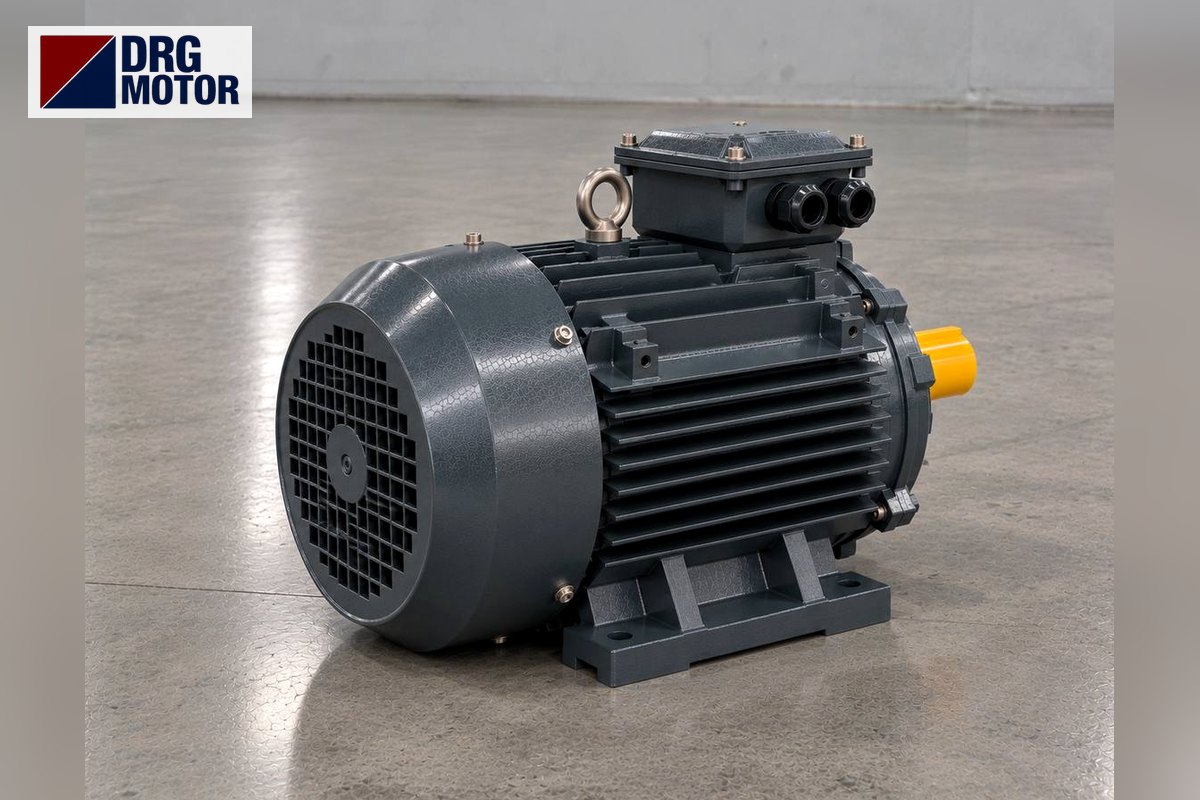

If your three-phase asynchronous electric motor will not turn, the cause usually falls into three groups: a lost phase in the supply (the motor hums but the shaft does not rotate), a mechanical lock-up (a seized bearing or a jammed driven load), or no power reaching the motor at all (a tripped overload, a contactor that did not pull in, a blown fuse). Finding the right cause starts with making the installation safe and reading the symptom correctly.
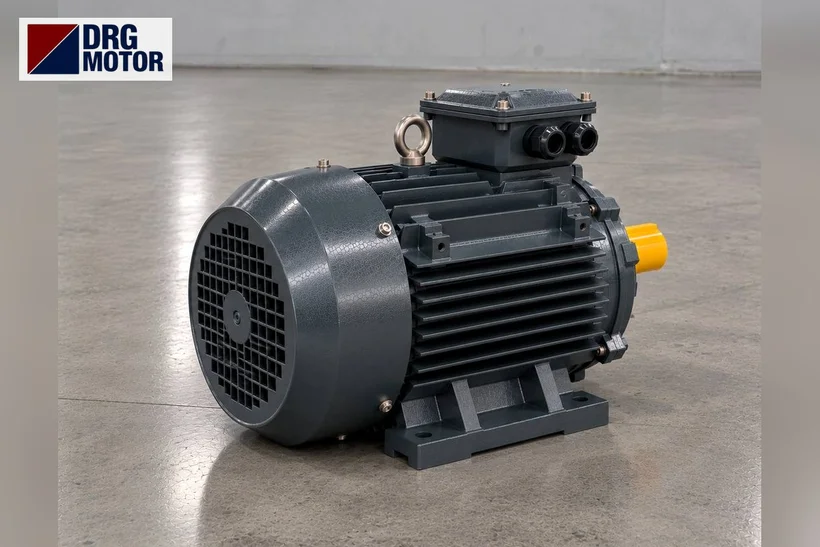
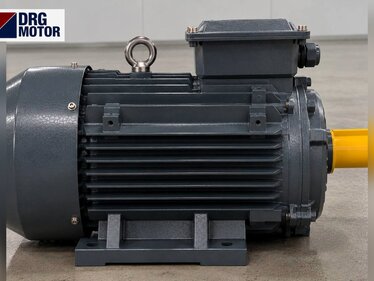
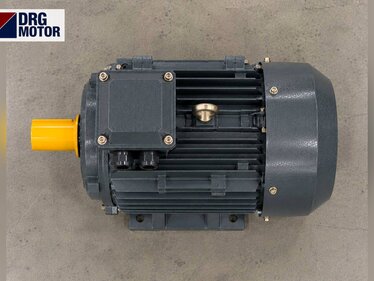
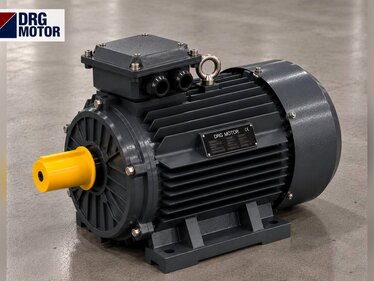
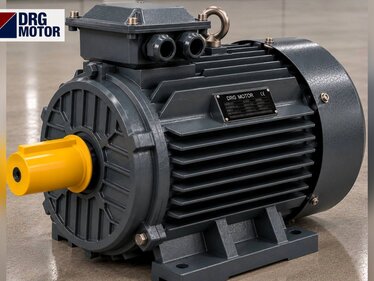
DRG Motor is a manufacturer, supplier and seller of electric motors. If you are looking for a suitable replacement for a faulty motor, browse the online motor shop and the three-phase asynchronous electric motors category. This article is an informative guide to help you locate the cause; field work belongs to qualified personnel.
Safety first: isolate the supply, read the symptom
Before touching a motor that will not turn, isolate the supply at the panel, confirm the absence of voltage, and have any measurement or connection check carried out only by qualified electrical personnel. This article gives no exact setting values (such as the overload current setting or an insulation resistance threshold); those are determined from the motor nameplate and the panel/device documentation.
Two simple observations narrow the cause a lot: does the motor hum but not turn, or is it completely silent? A hum usually points to the supply (phase) or the mechanical side; total silence points to the power path.
Motor hums but will not turn: lost phase
If a three-phase motor loses one of its three phases, no rotating field can form; the motor vibrates, hums, heats up and cannot start under load. This is one of the most common situations with motors that will not turn. A lost phase usually comes from a blown fuse, a loose terminal connection, a broken supply conductor or a contactor contact that did not close.
An important note: in a three-phase motor the non-rotation problem is on the phase side; do not look for a starting capacitor. A capacitor belongs to single-phase motors and is not present in the three-phase asynchronous motors of the standard DRG range. So, instead of "the capacitor failed", you should evaluate phase continuity and the connections. Reviewing phase and connection together with the motor current chart helps you see whether the current is abnormal.
No sound at all: power, overload and contactor
If there is no sound when the motor is switched on, power is most likely not reaching the motor. Common causes:
- Overload relay tripped: an over-current or a previous strain may have tripped the overload. Reset without fixing the cause and it trips again quickly.
- Contactor did not pull in: if the contactor does not close because of the control circuit, start button, auxiliary contact or coil, no power reaches the motor.
- Fuse/breaker tripped: the supply-side protection has operated; it should not be reset before the cause is investigated.
- Emergency stop / interlock active: the machine safety chain may be holding the circuit open.
The aim of these checks is to see whether power reaches the motor terminals; the work must always be done by qualified personnel after the absence of voltage is confirmed.
Click to see current electric motor prices and order nowSEE PRICES →
Mechanical causes: seized bearing or jammed load
If the power path is sound and the motor hums but will not turn, a mechanical lock-up may be the issue. After isolating the supply and making the area safe, the shaft is turned by hand to check:
- Shaft will not turn by hand: a bearing may be seized, worn or contaminated; the fan cover may be rubbing.
- Shaft turns freely but not under load: the problem is not in the motor but in the driven load (a locked gearbox, a jammed pump/conveyor, overload).
- Motor turns but stalls or strains immediately: the load torque may exceed what the motor can deliver; the power and speed class does not match the application.
Step-by-step check of possible causes
A logical order to narrow the cause on a motor that will not turn:
- Isolate the supply, confirm the absence of voltage, and leave the work to qualified personnel.
- Identify the symptom: is there a hum or not?
- No sound: check the power path — fuse/breaker, overload, contactor, control circuit.
- Hum present: check that all three phases reach the motor and inspect the terminal connections (lost phase).
- Electrical side sound: turn the shaft by hand — is the seize in the motor or the load?
- Load free: review whether the motor's power/speed class suits the application.
To compare the required power and current with the needed values, the electric motor calculator and motor cable size calculator are helpful.
If the motor is to be replaced: example 4-pole DRG models
If the faulty motor cannot be repaired or was wrongly selected in the first place, it must be replaced with a suitable three-phase asynchronous motor. The table below lists example DRG models from the common 1500 rpm (4-pole) class, with rated torque and rated current at 400 V. The voltage on all of them is 400/690 V (Δ/Y).
| Model | Speed | Torque | Rated current (400 V) |
|---|---|---|---|
| DRG-112M-4 (4.0 kW) | 1450 rpm (4-pole) | 26.3 Nm | 7.95 A |
| DRG-132S-4 (5.5 kW) | 1460 rpm (4-pole) | 36.0 Nm | 10.7 A |
| DRG-132M-4 (7.5 kW) | 1460 rpm (4-pole) | 49.1 Nm | 14.3 A |
| DRG-160M-4 (11.0 kW) | 1465 rpm (4-pole) | 71.7 Nm | 20.4 A |
The torque values can also be verified approximately with T = 9550 · P / n. When you replace an existing motor, compare not only the power but also the pole number (speed), shaft diameter and mounting type; otherwise the new motor may again struggle under load.
Send a photo of your current motor nameplate and we will find the suitable DRG model together.Send on WhatsApp
Once you have chosen the right model, you can compare all power and speed options through the shop.
See suitable three-phase asynchronous motor models and current prices to replace your faulty motorSEE PRICES
Frequently asked questions
The motor hums but will not turn — what is the cause?
In a three-phase motor this symptom usually means a lost phase: one of the three phases is not reaching the motor, so no rotating field forms. A blown fuse, a loose terminal, a broken conductor or a contactor that did not close are typical causes. After isolating the supply, the check should be done by qualified personnel.
Has the three-phase motor's capacitor failed?
Three-phase asynchronous motors have no starting or run capacitor; a capacitor belongs to single-phase motors. The non-rotation issue should be looked for on the phase side (supply, connections, protection).
If the shaft will not turn by hand, is the fault in the motor?
If the shaft will not turn by hand while de-energised, there is a mechanical seize; it can come from a bearing or from the load connected to the motor. Separating the motor from the load and turning the shaft alone helps tell whether the problem is in the motor or the load.
What if the overload keeps tripping?
If the overload is reset without fixing the cause, it trips again. The source of the over-current (lost phase, mechanical strain, wrong power selection) must be found; the setting must be based on the nameplate rated current, not guessed.
Electric Motors Related to This Topic — Models and Current Prices
Suitability is not decided by power alone: compare the speed, voltage, mounting, shaft and fixing dimensions of your machine with the product data; if unsure, send us the nameplate of your current motor.

4 kW Three-Phase Motor 1500 rpm – DRG-112M-4 Aluminium
- 4 kW · 1500 rpm (4 poles)
- Aluminium frame · IEC 112M
- Shaft: 28 × 60 mm
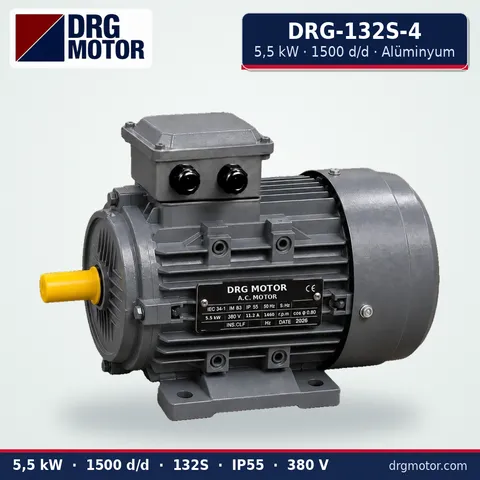
5.5 kW Three-Phase Motor 1500 rpm – DRG-132S-4 Aluminium
- 5.5 kW · 1500 rpm (4 poles)
- Aluminium frame · IEC 132S
- Shaft: 38 × 80 mm
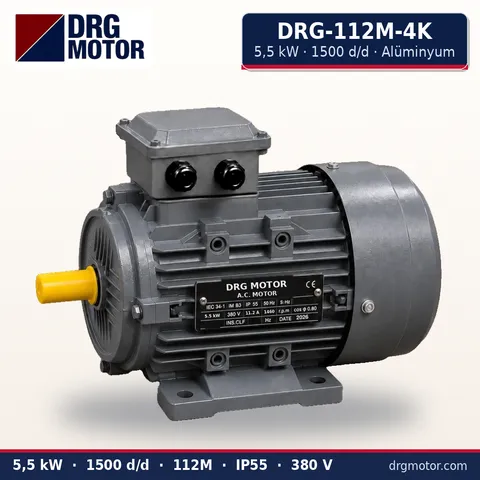
5.5 kW Compact Three-Phase Motor 1500 rpm – DRG-112M-4K Aluminium
- 5.5 kW · 1500 rpm (4 poles)
- Aluminium frame · IEC 112M
- Shaft: 28 × 60 mm
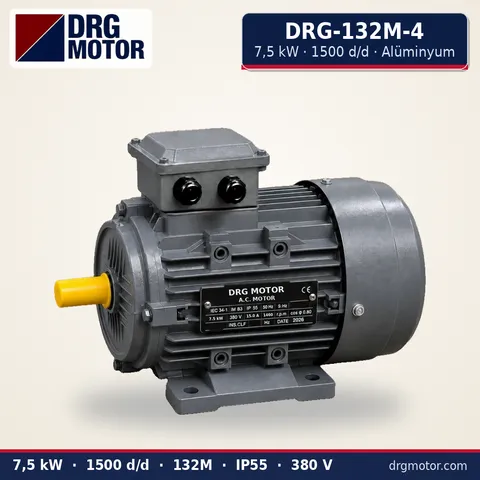
7.5 kW Three-Phase Motor 1500 rpm – DRG-132M-4 Aluminium
- 7.5 kW · 1500 rpm (4 poles)
- Aluminium frame · IEC 132M
- Shaft: 38 × 80 mm
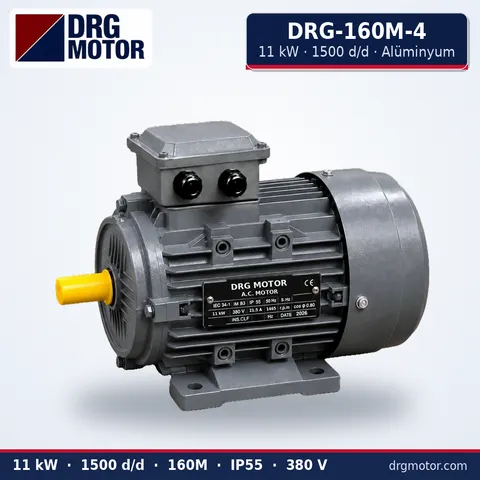
11 kW Three-Phase Motor 1500 rpm – DRG-160M-4 Aluminium
- 11 kW · 1500 rpm (4 poles)
- Aluminium frame · IEC 160M
- Shaft: 42 × 110 mm
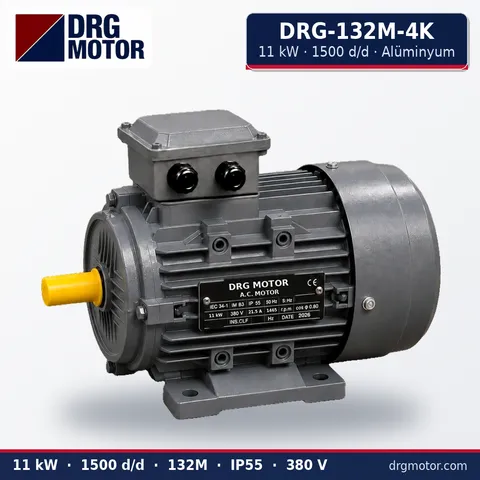
11 kW Compact Three-Phase Motor 1500 rpm – DRG-132M-4K Aluminium
- 11 kW · 1500 rpm (4 poles)
- Aluminium frame · IEC 132M
- Shaft: 38 × 80 mm