English
 Le français
 Türkçe




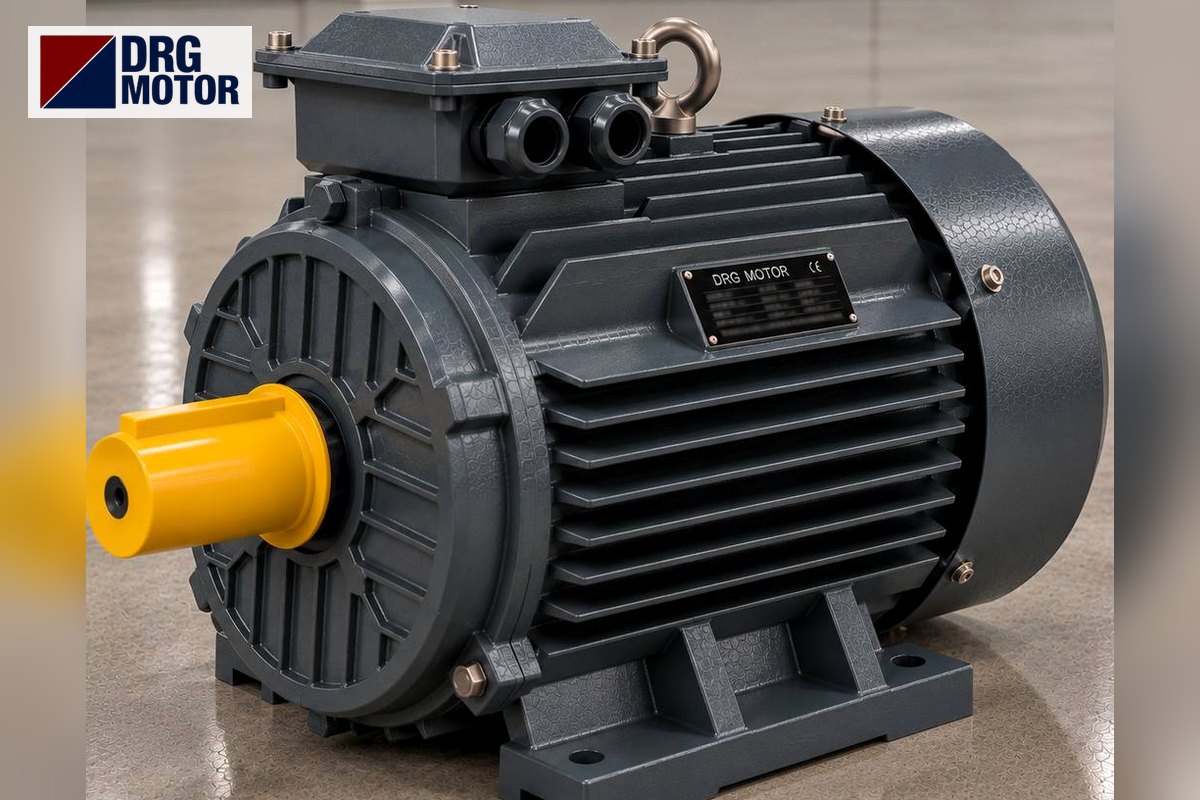

A standard three-phase asynchronous electric motor works happily in most workshops and plants, but not every environment suits it. Where explosive gas is present, where the unit stays underwater, where it is extremely hot, or where the air is heavily dusty and corrosive, a standard electric motor is the wrong choice and a special solution is needed. This article explains, in plain language, which environments are unsuitable and what is required instead.
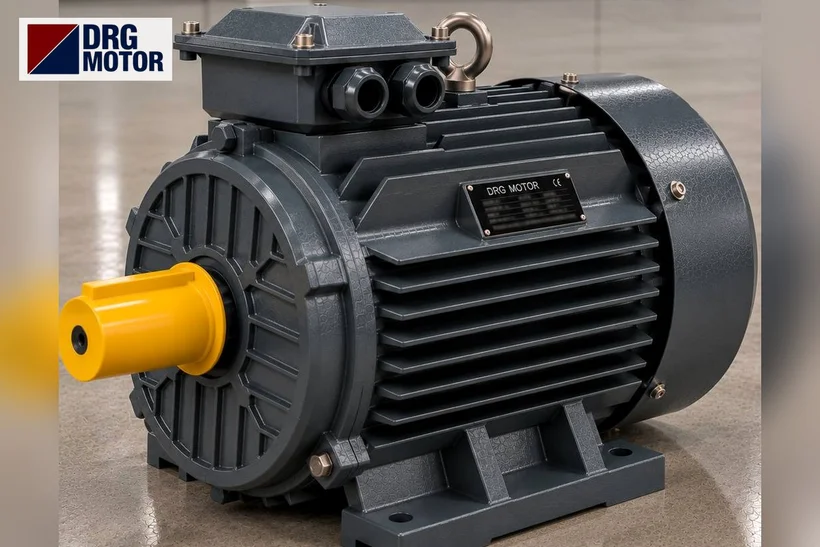
DRG Motor is a manufacturer, supplier and seller of electric motors. In the sections below we honestly set out where a standard three-phase electric motor is not suitable and what each special condition calls for. For ordinary conditions you can find the right models by power and speed in the online electric motor shop, and see the whole range in the three-phase asynchronous electric motors category.
First the good news: where does a standard electric motor work fine?
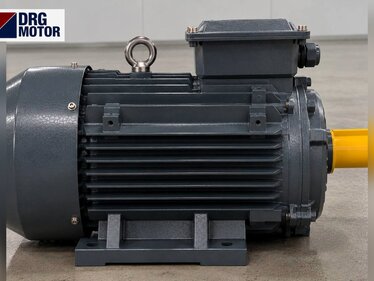
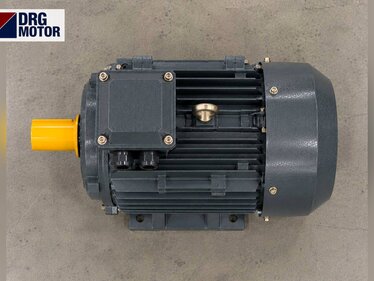
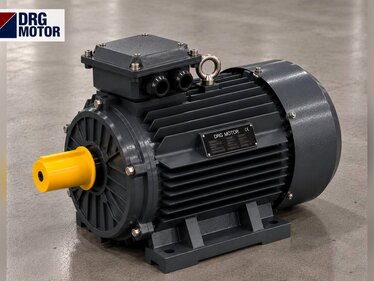
To avoid confusion, let us say it up front: almost every everyday job suits a standard three-phase electric motor. Enclosed workshops, production areas with light dust and damp, places where water splashes but does not submerge the unit, machine tools, fans, compressors, conveyors, mixers, surface pumps and the like all fall in this group. DRG three-phase electric motors are offered with IP55 protection and class F insulation, which handles dust ingress and splashing water from any direction. So if your environment is a normal industrial one, there is no need to worry; choosing the right power and speed is enough.
Trouble starts when the environment stops being "normal". The four headings below are conditions that strain a standard electric motor or are simply unsafe for it.
1) Areas with explosive gas, vapour or combustible dust
Paint shops, places with solvent or thinner vapour, LPG and natural-gas filling sites, grain and flour silos, sections with coal dust… These hold an ignitable mixture in the air. A standard electric motor heats up on its surface as it runs and may produce small sparks in the terminal box. In an ordinary workshop this means nothing; but in an explosive atmosphere a single spark is dangerous.
What is needed? These areas call for an explosion-protected electric motor, that is an Ex-marked unit (certified under ATEX). This is not a "tougher" version of the standard product but an entirely separate family. DRG's standard range does not include Ex-type electric motors; so if an explosive environment is involved, do not pick a standard model — go for an Ex-certified solution. If you are not sure your area falls into this class, assess it together with the licensed firm that does the installation.
2) Continuous operation underwater (submersible applications)
The term IP55 is often misread. This protection is against splashing and hose water; it does not mean the motor can be immersed. If you put a standard electric motor in a well, at the bottom of a tank or anywhere it stays underwater, it will take in water over time and the winding will be damaged.
What is needed? Continuous underwater jobs use a submersible-type electric motor; with their watertight housings and special seals these are a completely different product. DRG does not sell submersible-type electric motors. If the unit is not immersed but only splashed (for example a surface pump, or a covered outdoor spot), a standard IP55 electric motor will do; but where there is continuous immersion the standard product is unsuitable.
Click to see current electric motor prices and order nowSEE PRICES →
3) Extreme heat and proximity to a heat source
Every electric motor expects a certain ambient temperature. Near a furnace mouth, a boiler or a foundry, a standard electric motor heats up faster than intended, which stresses the winding insulation and the bearing grease and shortens its life. Likewise, if the motor's own cooling is blocked or it is crammed into a tight box, heat builds up.
What is needed? The first remedy is usually to change the layout: move the electric motor away from the heat source, let cooler air reach it, clear the front of the fan cover. If high temperature really is unavoidable, a special solution rated for that heat is needed; forcing a standard electric motor to run in a hot zone is not right. If unsure, measure the ambient temperature and share it with us, and we will assess together whether you are at the edge of the standard product.
4) Heavy dust, chemicals and corrosive air
Standard IP55 protection is enough for ordinary dust and damp. But where very fine, heavy dust (marble, cement, wood sanding dust), acid-salt vapour, or salty humid air as on a sea coast is constantly present, things change. In these conditions fine dust works in and settles, and corrosion can start on the housing and shaft surface.
What is needed? Such harsh environments call for an electric motor with a higher IP class and a protected surface finish. A standard product survives where exposure is brief or it is cleaned regularly; but with constant heavy dust and corrosive air standard protection may not be enough. Describe your environment and we will discuss together which protection level is required.
In short: what is needed in which environment?
The table below sums up the four environments that strain a standard three-phase electric motor and the right approach for each.
| Environment | Standard problem | Right solution |
|---|---|---|
| Explosive gas / dust (paint shop, LPG, grain silo) | Sparks and hot surface are a hazard | Explosion-protected (Ex) electric motor |
| Continuous submersion (well, submersible pump) | IP55 is for splashes, not immersion | Submersible-type electric motor |
| Extreme heat (near furnace or boiler) | Winding and bearing life fall with ambient heat | High-temperature solution or a cooler spot |
| Heavy dust / chemical / corrosive air | Standard protection and paint are not enough | Higher IP and protected-surface electric motor |
If your environment is a normal industrial one, click to see current prices of the electric motor at the right power and speedSEE PRICES
Suitable DRG electric motors for standard conditions
If your environment is not one of the special cases above, your job suits a standard three-phase electric motor. Below are a few 4-pole (about 1500 rpm) DRG models with their power and rated current at 400 V. The model codes link straight to the product page.
| Model | Power | Speed class | Current (400 V) |
|---|---|---|---|
| DRG-112M-4 | 4 kW | 1500 rpm | 7.95 A |
| DRG-132S-4 | 5.5 kW | 1500 rpm | 10.7 A |
| DRG-132M-4 | 7.5 kW | 1500 rpm | 14.3 A |
| DRG-160M-4 | 11 kW | 1500 rpm | 20.4 A |
You can review all the power and speed options in the online electric motor shop, and use the cable size calculator for cable selection. The connection must be made by qualified electrical personnel; switch off the power beforehand and confirm it is dead.
Frequently asked questions
Can I use a standard electric motor outdoors?
In a covered outdoor spot that is not permanently under direct rain and sun, an IP55 standard electric motor can work. Fully exposed, under constant rain and salty damp, it needs extra protection or a cover.
Is IP55 waterproof?
IP55 protects against splashing and hose water, but it is not suitable for immersion. Continuous underwater jobs need a submersible-type solution rather than a standard electric motor, and that is not part of the DRG range.
How do I tell if my environment is special?
The simplest way is to describe it: is there ignitable gas or dust in the air, is it underwater, is it very hot, is there heavy dust or corrosive air? If unsure, send us a photo of your workplace and its conditions, and we will assess together whether the standard product is suitable.
Send a photo of your current motor nameplate and we will find the suitable DRG model together.Send on WhatsApp
Electric Motors Related to This Topic — Models and Current Prices
Suitability is not decided by power alone: compare the speed, voltage, mounting, shaft and fixing dimensions of your machine with the product data; if unsure, send us the nameplate of your current motor.
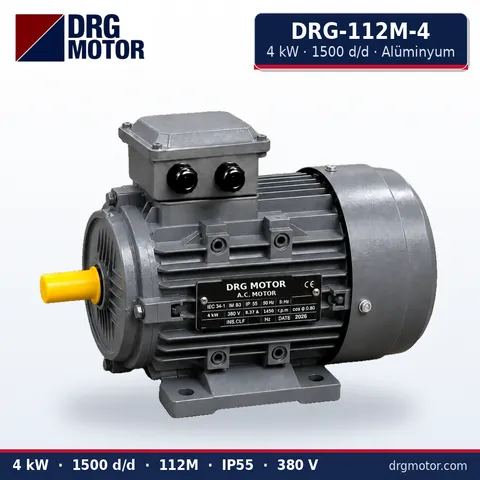
4 kW Three-Phase Motor 1500 rpm – DRG-112M-4 Aluminium
- 4 kW · 1500 rpm (4 poles)
- Aluminium frame · IEC 112M
- Shaft: 28 × 60 mm
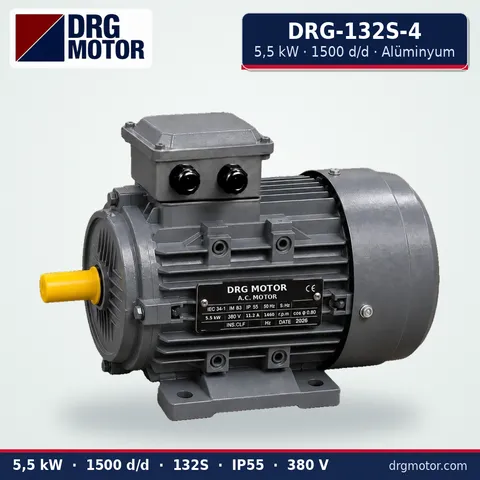
5.5 kW Three-Phase Motor 1500 rpm – DRG-132S-4 Aluminium
- 5.5 kW · 1500 rpm (4 poles)
- Aluminium frame · IEC 132S
- Shaft: 38 × 80 mm
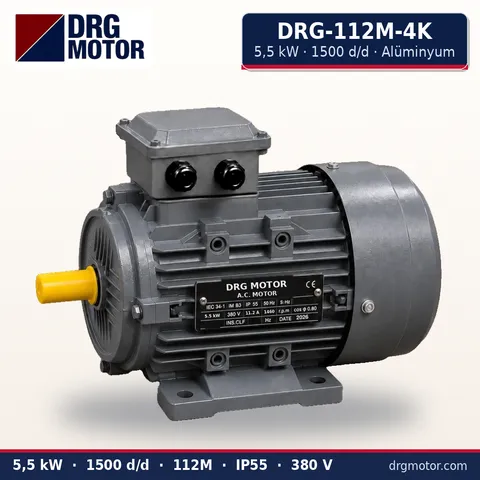
5.5 kW Compact Three-Phase Motor 1500 rpm – DRG-112M-4K Aluminium
- 5.5 kW · 1500 rpm (4 poles)
- Aluminium frame · IEC 112M
- Shaft: 28 × 60 mm
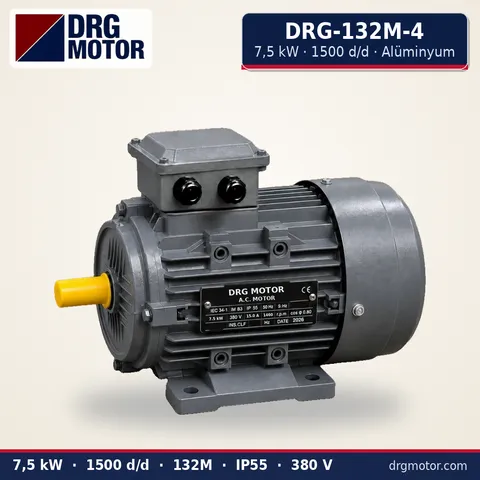
7.5 kW Three-Phase Motor 1500 rpm – DRG-132M-4 Aluminium
- 7.5 kW · 1500 rpm (4 poles)
- Aluminium frame · IEC 132M
- Shaft: 38 × 80 mm
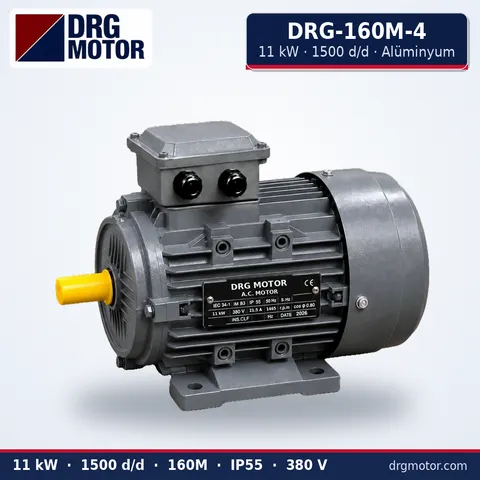
11 kW Three-Phase Motor 1500 rpm – DRG-160M-4 Aluminium
- 11 kW · 1500 rpm (4 poles)
- Aluminium frame · IEC 160M
- Shaft: 42 × 110 mm
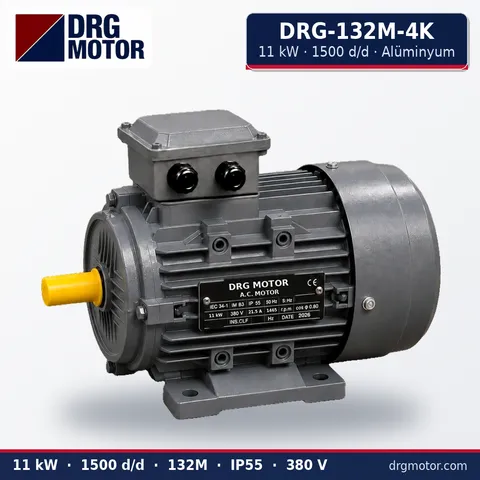
11 kW Compact Three-Phase Motor 1500 rpm – DRG-132M-4K Aluminium
- 11 kW · 1500 rpm (4 poles)
- Aluminium frame · IEC 132M
- Shaft: 38 × 80 mm