English
 Le français
 Türkçe




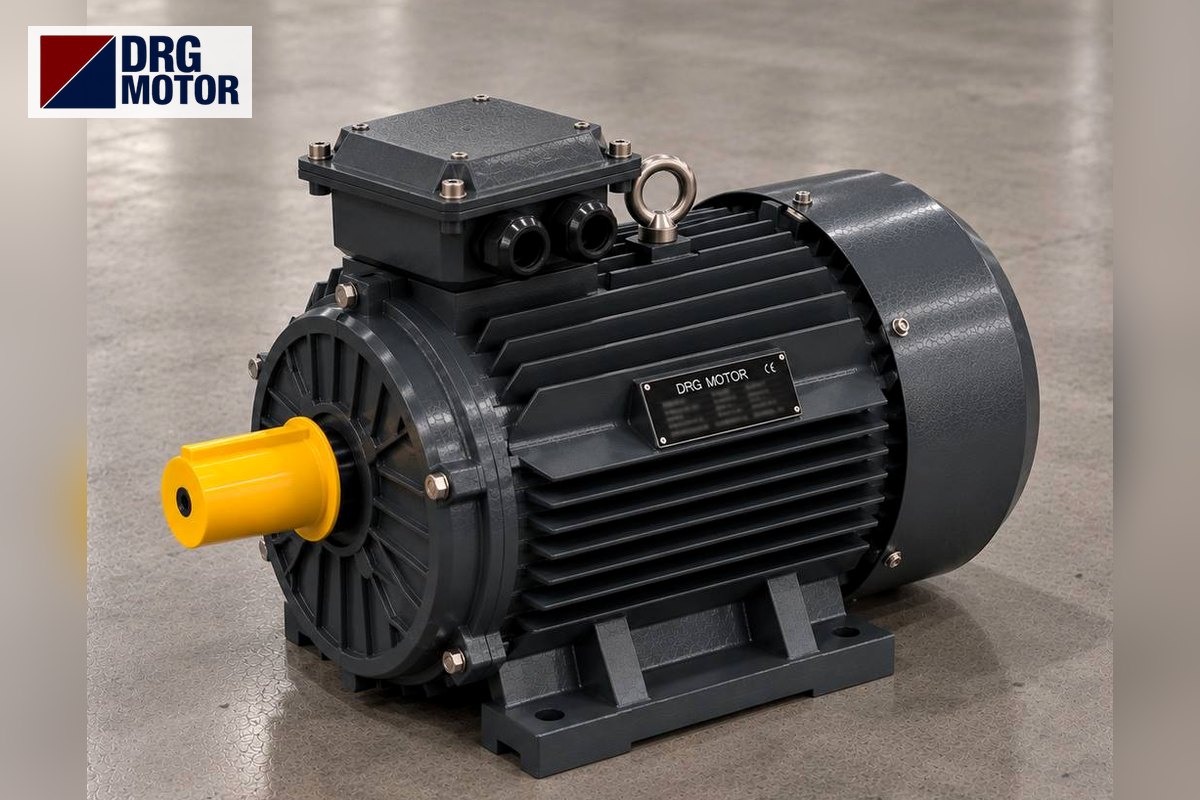

Short answer: unless it is stored properly, an electric motor that sits unused for a long time can lose condition over time. The culprit is not running the unit, but the moisture, stillness and surroundings during the stoppage. With correct storage and a few simple precautions, an electric motor that has waited for months can be put back into service as good as new.
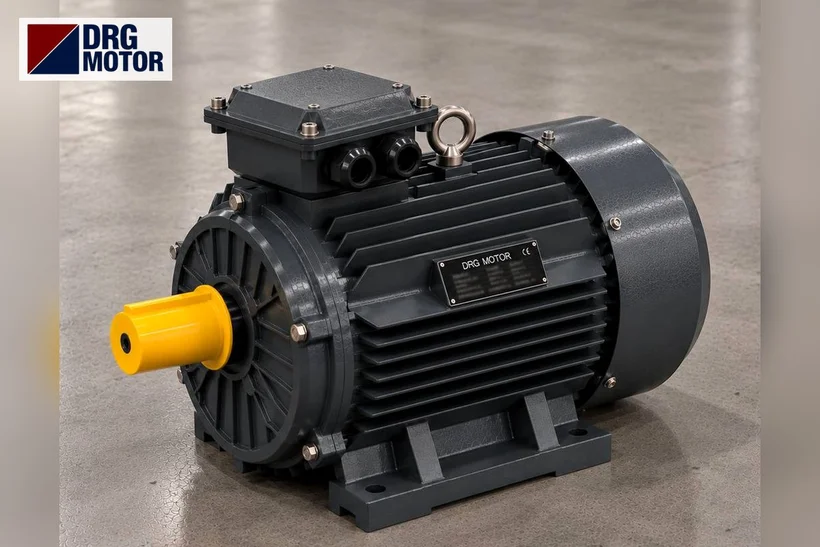
This article explains in plain language what goes wrong in a stored or idle electric motor and why, and what to do before, during and after a long stop. If you need a new electric motor, browse models by power and speed in the online electric motor shop, and see the same products together in the three-phase asynchronous electric motors category.
Running actually protects an electric motor
It sounds odd at first, but a regularly running electric motor largely protects itself. The gentle warmth created while turning keeps moisture away, spreads the bearing grease across the race, and changes the contact point of every surface. In a motionless electric motor this natural protection stops, and that is where the real risk begins. So the problem is not "running" but "never running" and the place it waits in.
Moisture and condensation: the sneakiest issue
The most common problem during a long stop is moisture. In a store that warms by day and cools by night, the air inside the electric motor keeps expanding and contracting, which causes condensation — a thin film of water — on the windings and inner surfaces. Over time this moisture lowers the insulation resistance of the windings. A damp electric motor may look fine, yet behave unexpectedly once energised.
So the first rule for an electric motor that will wait a long time is a dry place. Prefer a cool, dry, ventilated spot over a damp basement, the outdoors or a wet floor. Some users fit an anti-condensation heater to keep the windings slightly warm; it is a well-known way to prevent condensation inside.
Bearings and grease: the mark of stillness
When an electric motor stays in one position for a long time, the shaft weight presses constantly on the same spot of the bearing. Even without vibration, this static load can leave slight marks on the race over time. The grease also changes consistency as it sits; the oil pools on one side and lubrication is no longer even. It is therefore no surprise to hear a bearing noise on first run from an electric motor that has waited for years without being turned.
The fix is simple: turn the electric motor a few revolutions by hand now and then. The shaft then stops at a different point each time, the grease redistributes and the bearing is not pressed in one spot. Always turn it with the power off and safely.
Click to see current electric motor prices and order nowSEE PRICES →
Seals and gaskets dry out
The shaft seals and the terminal-box gaskets of an electric motor are rubber based. Left in a dry, warm place for very long, these parts can lose flexibility, harden and even crack. A hardened seal no longer keeps dust and moisture out as well once the electric motor returns to service. In dusty or wet applications where sealing matters, it is worth inspecting these parts after a long stop.
What to do before a long stop
If you are setting an electric motor aside for a while, a few minutes of preparation prevents most of the trouble that could appear later. The table below gives a simple road map by situation.
| Item | What to do |
|---|---|
| Storage place | Dry, cool, ventilated area; away from wet floors and the outdoors |
| Moisture | Enclosed, humidity-free space; an anti-condensation heater if possible |
| Shaft and bearing | Turn a few revolutions by hand every few weeks, power off |
| Protection | Dust cover; keep the shaft end and terminal box closed |
These steps apply both to a new electric motor in the store and to the electric motor of a seasonally used machine.
Before starting after a long stop
Energising an electric motor that has waited for months straight away, assuming "it is basically new", is not always right. Before starting, check the following: turn the shaft by hand and make sure it rotates freely; look for moisture, rust or condensation marks on the housing; check inside the terminal box and the soundness of the connections.
For an electric motor that has waited a long time, measuring the insulation resistance before energising is a good habit. Have this measurement and the connections done by authorised electrical personnel; switch off the power and verify that it is de-energised. For the values and method to use, follow the electric motor nameplate and the device documentation; do not set a threshold off the top of your head. If moisture is suspected, keeping it in a dry place or drying it with an anti-condensation heater before starting usually solves the issue.
Example: DRG electric motors ready for service
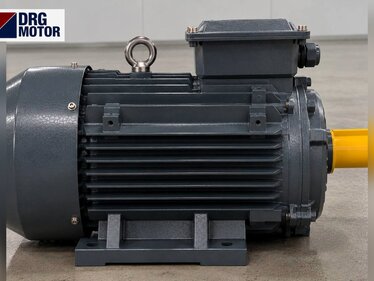
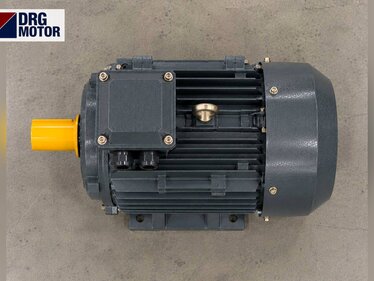
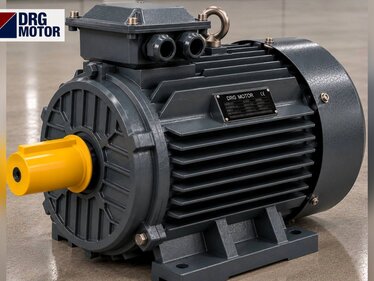
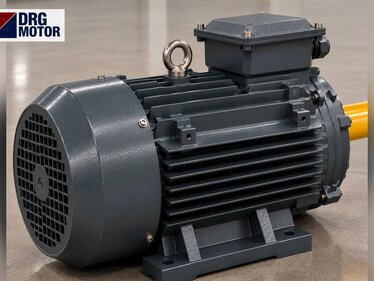
Instead of rescuing an electric motor that has waited for years, buying a new one can make more sense. The table below lists a few 4-pole DRG electric motors (about 1500 rpm) with their power and rated current at 400 V. The model codes link straight to the product page.
| Model | Power | Speed class | Current (400 V) |
|---|---|---|---|
| DRG-112M-4 | 4 kW | 1500 rpm | 7.95 A |
| DRG-132S-4 | 5.5 kW | 1500 rpm | 10.7 A |
| DRG-132M-4 | 7.5 kW | 1500 rpm | 14.3 A |
| DRG-160M-4 | 11 kW | 1500 rpm | 20.4 A |
You can review all power and speed options in the online electric motor shop. If you wonder how the housing material affects ambient conditions, the article on the difference between aluminium and cast-iron housings is a good guide.
If you have decided to replace an electric motor that has sat too long, click to see current prices and orderSEE PRICES
Frequently asked questions
Will an electric motor that has not run for a year fail?
If it was kept in a dry, enclosed place and turned now and then, it usually starts without trouble. The real risk is an electric motor left in a damp place without ever being turned. A check and measurement before starting are still wise.
How often should I turn a stored electric motor?
There is no strict rule; turning it a few revolutions by hand every few weeks is considered enough. What matters is that the shaft stops at a different point each time and the grease redistributes. Turn it with the power off.
What should I do at the first start after a long stop?
Turn the shaft by hand to check it is free, look for moisture on the housing, and have the insulation measured by authorised electrical personnel before energising. If moisture is suspected, dry it first. If unsure, send us a photo of the nameplate.
Send a photo of your current motor nameplate and we will find the suitable DRG model together.Send on WhatsApp
Electric Motors Related to This Topic — Models and Current Prices
Suitability is not decided by power alone: compare the speed, voltage, mounting, shaft and fixing dimensions of your machine with the product data; if unsure, send us the nameplate of your current motor.

4 kW Three-Phase Motor 1500 rpm – DRG-112M-4 Aluminium
- 4 kW · 1500 rpm (4 poles)
- Aluminium frame · IEC 112M
- Shaft: 28 × 60 mm
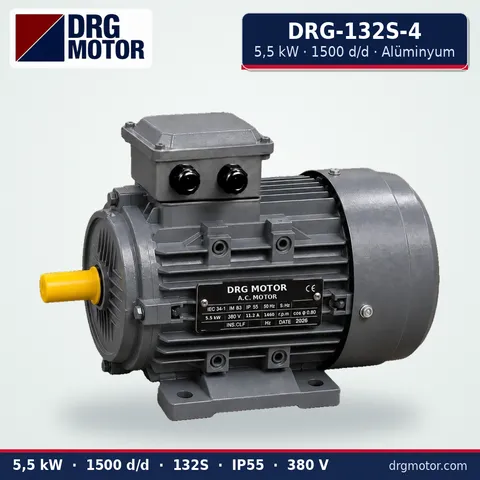
5.5 kW Three-Phase Motor 1500 rpm – DRG-132S-4 Aluminium
- 5.5 kW · 1500 rpm (4 poles)
- Aluminium frame · IEC 132S
- Shaft: 38 × 80 mm
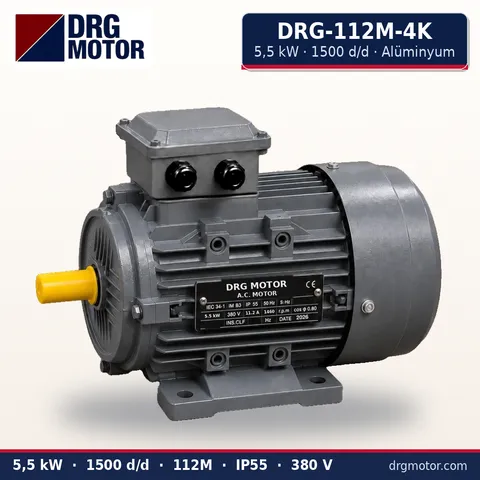
5.5 kW Compact Three-Phase Motor 1500 rpm – DRG-112M-4K Aluminium
- 5.5 kW · 1500 rpm (4 poles)
- Aluminium frame · IEC 112M
- Shaft: 28 × 60 mm
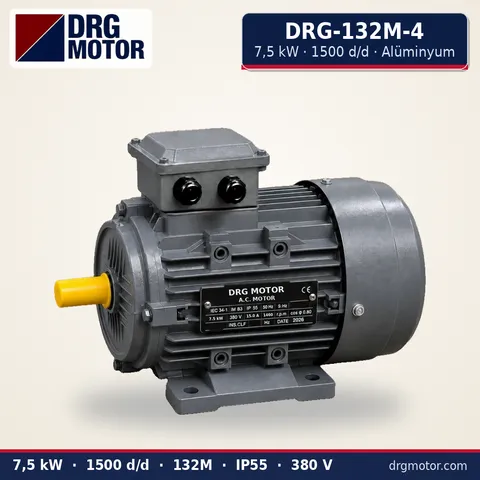
7.5 kW Three-Phase Motor 1500 rpm – DRG-132M-4 Aluminium
- 7.5 kW · 1500 rpm (4 poles)
- Aluminium frame · IEC 132M
- Shaft: 38 × 80 mm
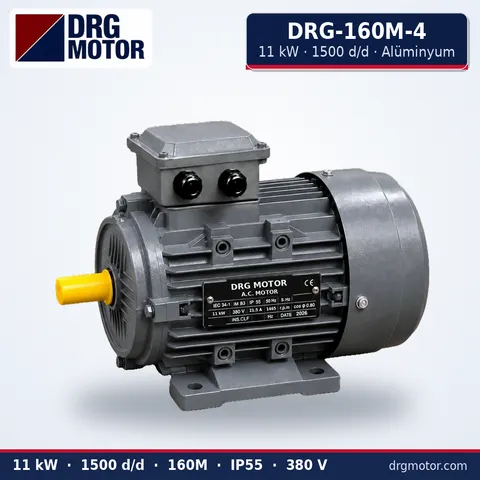
11 kW Three-Phase Motor 1500 rpm – DRG-160M-4 Aluminium
- 11 kW · 1500 rpm (4 poles)
- Aluminium frame · IEC 160M
- Shaft: 42 × 110 mm
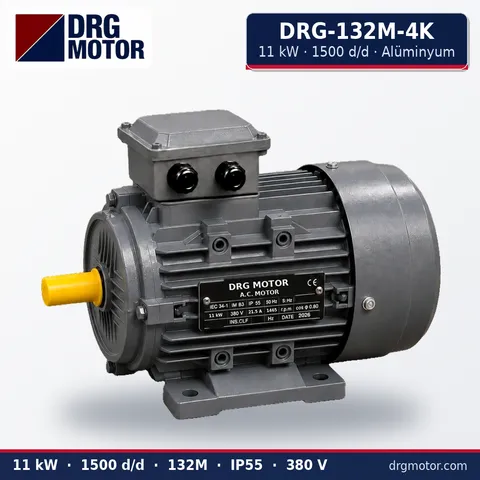
11 kW Compact Three-Phase Motor 1500 rpm – DRG-132M-4K Aluminium
- 11 kW · 1500 rpm (4 poles)
- Aluminium frame · IEC 132M
- Shaft: 38 × 80 mm