 English
 Le français
 Türkçe

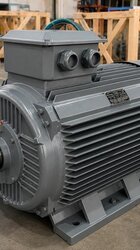
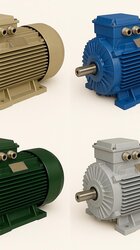
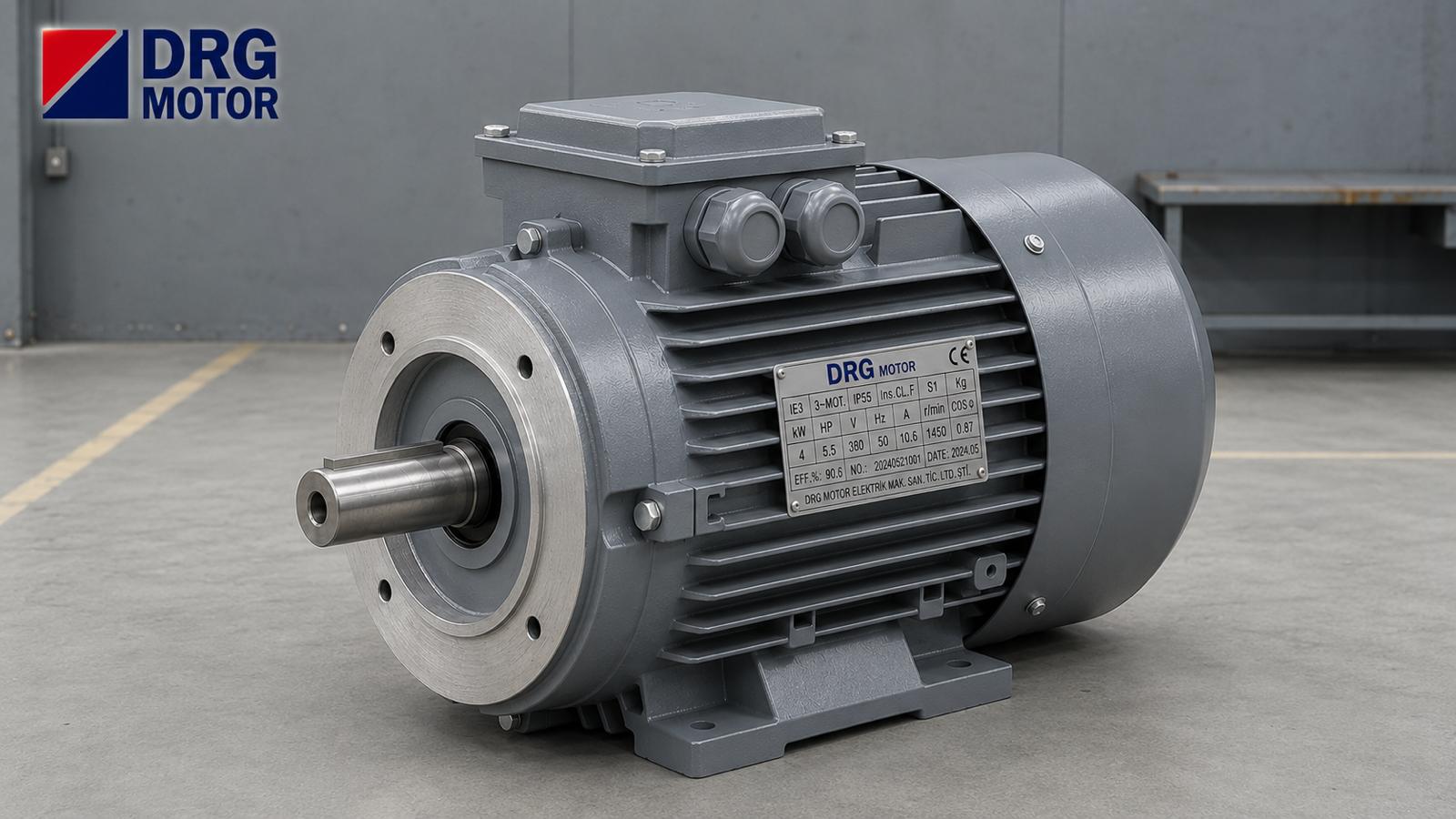

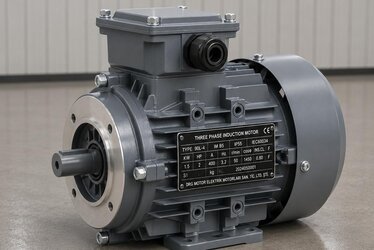
Most of the decisions made before a pump system reaches the field are, in reality, budget decisions. While the installation team debates which power rating to choose, the purchasing department is simultaneously calculating where the cost will land. The point where these two lines of thinking meet is the question of pump motor price, and that number never fits on a single label. It is the combined result of many variables, from efficiency class and protection rating to mounting type and delivery lead time. In this article we break down the technical and commercial items that shape the price one by one, and we explain how to obtain the right quote with a few practical steps.
How Power and Speed Translate Into Cost
The rated power of a pump motor (kW or HP) and its speed range, determined by the number of poles, form the first major cost driver. In the same application, the difference between a 1.5 kW and a 5.5 kW unit shows up in energy consumption, in the size of the casting, in the amount of copper in the windings and in the bearing dimensions. A two-pole motor running at around 2900 rpm and a four-pole motor at around 1450 rpm have different cost structures even at the same power, because their torque and efficiency curves require separate designs. Choosing the correct power rating affects both your initial investment and the electricity bill you will pay for years to come.
Efficiency Class: Today's Tag, Tomorrow's Savings
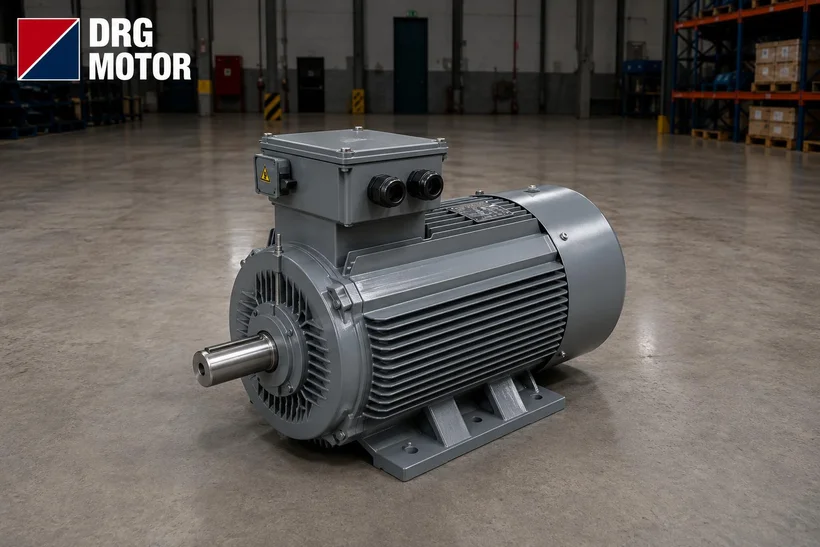
The price gap between IE2, IE3 and IE4 efficiency classes can intimidate many buyers at first glance. A higher efficiency class means better-grade steel, more copper and tighter manufacturing tolerances, all of which push the label price upward. Yet on a continuously running pump, that difference is often recovered through energy savings within one to two years. When evaluating a quote, you should look beyond the purchase line and calculate the total cost of ownership based on how many hours per day and how many days per year the motor will run. As a supplier, our advice is to share your usage profile so we can determine the right efficiency class together.
Protection Rating and the Operating Environment
Pump motors frequently operate in environments exposed to water, humidity and dust. The protection ratings between IP55 and IP68 are another factor with a direct impact on price. A motor that will run underwater requires a completely different sealing solution than one sitting in a dry machine room. Likewise, aggressive environments such as coastal sites, chemical plants or food facilities call for stainless or specially coated housings that raise the cost. When you define the real environmental conditions of your application clearly, you avoid paying for excessive protection and equally avoid the failure risk of under-specifying it.
Matching the Motor to the Pump Type
One of the most critical factors affecting price is which pump type the motor will be paired with. For well and deep-water applications, a dalgıç pompa motoru solution sits in a different cost class than surface motors because it requires watertight windings and special shaft sealing. A hidrofor motoru used to maintain pressure in buildings and facilities switches on and off frequently, so it demands durable bearings and suitable thermal protection. For centrifugal, gear or screw pumps, the shaft coupling, flange type and axial load capacity all change the selection. The right match balances both performance and price.
Mounting Type, Housing Material and Accessories
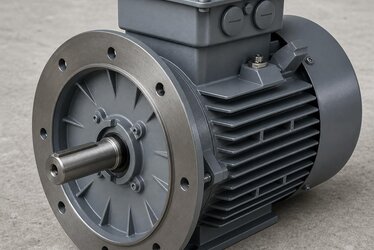
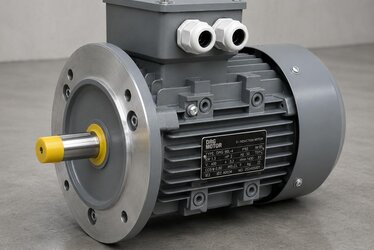
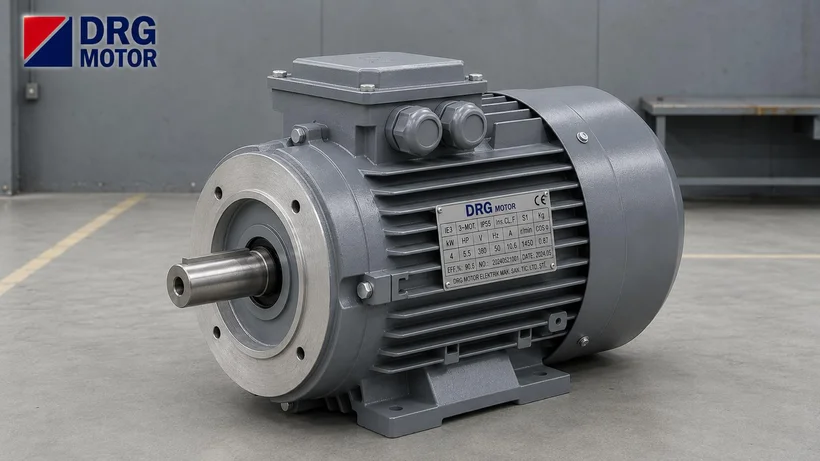
Foot-mounted (B3), flange-mounted (B5) or combined mounting configurations affect the mechanical design of the motor and therefore its price. The choice between a cast iron housing and an aluminium one changes both weight and cost. On top of that, requests such as terminal box position, a second shaft end, a thermistor, a slide rail base or a winding compatible with a frequency inverter become individual line items in the quote. Clarifying these details from the outset eliminates the time and cost losses that come from later revisions.
Lead Time, Stock and Order Quantity
On the commercial side, stock availability and lead time are among the first factors that determine price. A standard motor held in stock can be supplied faster and at a more favourable cost than a custom-order unit. While fast delivery is an advantage in urgent needs, a bulk order on planned projects lowers the unit cost. As a supplier and dealer, our role is to build the most sensible supply scenario based on the urgency and quantity of your need. You can review our wide range on the pump motors page and see the options suited to your application.
A Practical Way to Get the Right Quote
A sound pump motor price quote starts with a sound set of information. Sharing the following points when you send your request makes the response both faster and easier to compare:
- Rated power (kW/HP) and the required speed
- Expected efficiency class (IE2/IE3/IE4)
- Protection rating and operating environment (humidity, dust, submersion, chemicals)
- Mounting type (B3/B5/B35) and housing material
- The pump type it will pair with and shaft/flange dimensions
- Daily operating hours, annual usage and order quantity
When this information reaches us, we provide not just a figure but a recommendation backed by clear reasoning. Our goal is not to find the cheapest motor, but the right motor that produces the lowest total cost in your specific application.
Brand, Warranty and Spare Part Availability
Why do two pump motors carrying identical kW, IP and mounting figures on their labels still part ways on the shelf price? The answer usually lives not in the technical datasheet but in the warranty commitment standing behind the motor, the stock of genuine spare parts and how easily field service can reach you. Because pump systems tend to feed processes with little tolerance for downtime, these three items touch the continuity of your operation directly. So a label that looks a little heavier can, for a continuously running installation, actually mean a lower real cost. When a failure occurs in the field, a parts wait that drags on for days can cost far more in lost production than the price of the motor itself. When comparing quotes, it is worth remembering that the warranty term, the availability of replacement bearings and seals, and the speed of technical support are all an invisible part of the price. When we prepare a quote, we state these items clearly and clarify your after-sales expectations from the start.
The Effect of Variable Frequency Drives and Soft Starters
Many modern pump applications run with a variable frequency drive (VFD) to adjust flow and pressure to demand. A motor intended for drive operation calls for a different design in terms of winding insulation class, resistance to carrier frequency and, where needed, a forced cooling fan. This is another technical item that affects the motor's price. On the other hand, variable-speed operation delivers significant energy savings, especially in systems with fluctuating flow, and extends motor life by reducing mechanical stress. Telling us at the quoting stage whether you will connect the pump directly to the mains or drive it through a VFD lets us recommend the most suitable motor class and prevents the costs that arise later from incompatibility.
Budget Planning and Total Cost of Ownership
The figure printed on a pump motor's label is only the visible tip of what you will end up paying. Because a motor that pushes a well, feeds a booster set or turns a cooling line runs for most of the day, the energy it draws quietly climbs well above the purchase amount within a few years; this hidden item shows up on the utility bill yet rarely on the budget sheet. That is why, when building a pump motor budget, the up-front amount should not stand alone: place kWh consumption, the bearing and seal maintenance interval and the motor's expected service life side by side in the same picture. A well-chosen motor with slightly higher efficiency can leave more money in your pocket by the end of the year than a low-priced but inefficient alternative. As a supplier, our role is to run this calculation with you and clearly lay out the balance between short-term price and long-term return. That way your decision becomes an informed choice based on numbers rather than a guess.
Let's Take the Next Step Together
Because pump motor price is never a single number, you can only make the right decision with the right information. Share your application's power, environmental conditions and usage profile with us, and we will prepare a quote that is both technically sound and aligned with your budget. With our in-stock products, fast delivery options and expert team, we are ready to solve your project's pump motor requirement end to end. Send us your need details today, and we will deliver a tailored quote in the shortest possible time.