 English
 Le français
 Türkçe




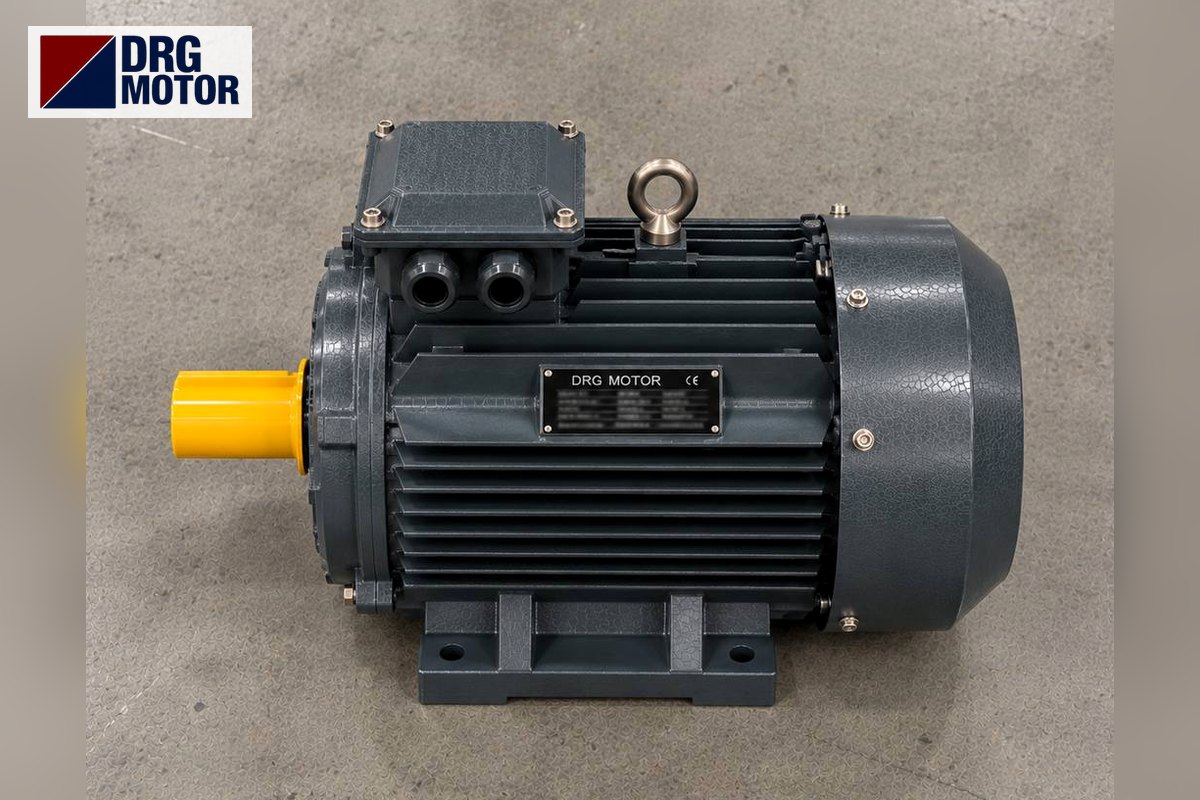

If your electric motor's meter is climbing while the job, speed and material stay the same, first separate two things: is it truly drawing more power, or is the measurement misleading you? When the rise is real, it almost always leaves a trace in the load behind the shaft, in the bearings and lubrication, in coupling or belt alignment, or in supply voltage imbalance; the motor itself is usually the last suspect.
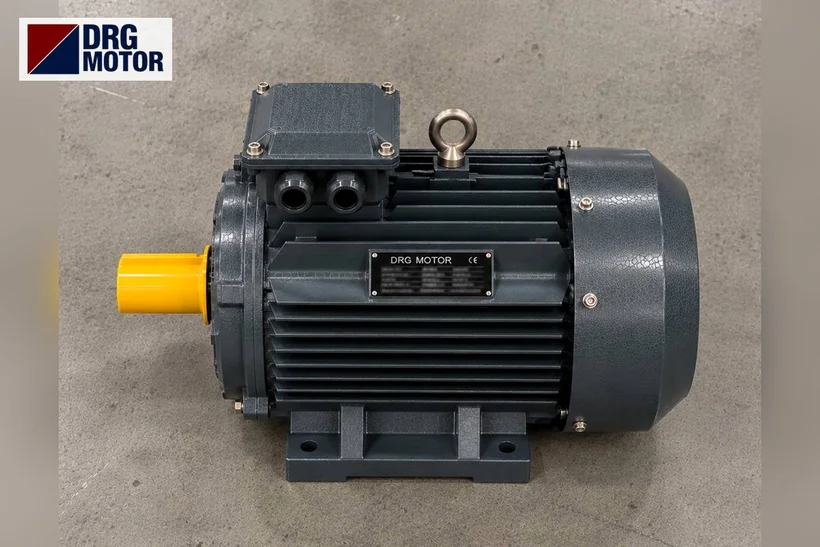
DRG Motor is a manufacturer, supplier and seller of electric motors. It is based in İzmir and ships quickly across all of Türkiye, that province included. When you look for a replacement of the same power and speed, you can match your figures by power and speed in the online electric motor shop and see similar models together in the three-phase asynchronous electric motors category. First, let's inspect in the right order.
Trust the measurement or the reality?
When people say consumption went up, the two numbers being compared were often not taken under the same conditions. If a month ran longer, a shift was added, or the meter/analyser wiring changed, the climb on the chart comes from the comparison, not the motor. Start with one question: are the produced quantity, cycle time and running hours identical to the previous period? When clamping current at the panel, check whether the clamp is on a single phase or on the bundle, and whether the analyser's current-transformer ratio is entered correctly. A wrong scale invents a rise that isn't there.
Has the mechanical load increased?
An asynchronous electric motor draws more current from the grid as the load on the shaft grows. So the most common source of a higher meter is not the motor but the machine it drives. A clogged strainer on a pump, a fouled impeller on a fan, a seized bearing on a conveyor, low oil in a gearbox, a dull cutting edge; each strains the shaft and pushes current up. A quick check: uncouple the motor from the load and run it free; if the current drops clearly, the problem is on the load side. If it stays high even uncoupled, it is time to look at the motor and the supply.
Bearings, lubrication and friction
A worn bearing makes turning harder; the motor spends more torque, and therefore more current, to do the same job. The signs are familiar: unusual heat on the frame, a high-pitched or rattling noise, roughness felt when turned by hand, rising vibration. Too much or wrong grease also adds friction. As bearing life runs out, consumption climbs quietly, which is why tracking noise and temperature is the cheapest early warning. A dry shaft seat or a rubbing seal gives the same result.
Coupling and belt alignment
If the motor and the machine axis are not aligned, the coupling turns energy into heat and vibration on every revolution. In a belt-and-pulley drive, excess tension strains the bearings while a loose belt slips; both mean wasted current. Check radial and axial misalignment at the coupling, and tension and pulley parallelism on the belt. If the pulley diameter was chosen wrong, the motor is loaded at a different speed than intended; verify the pulley-and-belt ratio with a sizing tool before you blame the motor.
Click to see current electric motor prices and order nowSEE PRICES →
Voltage imbalance and supply quality
If the three phase voltages drift apart, the motor draws unbalanced current, heats up extra and does the same job with more energy. Imbalance comes from a loose terminal, an oxidised connection, a weakening fuse, or poorly distributed single-phase loads on the panel. Measure the three phases one by one; if the gap between them is clear, look first at the connections and the supply side. Low voltage also strains the motor: a supply below the rated value raises current to deliver the same torque. Judge the reading at rated load and against the nameplate.
Quick symptom-to-check table
| Symptom | Where to look first | Quick check |
|---|---|---|
| Normal no-load, high on-load current | Driven machine / load | Strainer, impeller, tool, gearbox oil |
| High current even no-load | Bearings and lubrication | Noise, heat, roughness by hand |
| Vibration with heating | Coupling / belt alignment | Misalignment, belt tension |
| Unbalanced current, extra heat | Supply and terminals | Measure the three phases |
How to inspect, step by step
Before any measurement, safety first: isolate the power, verify it is dead, and have the actual work done by a qualified electrician. Set exact values (thermal relay current, insulation-resistance limit) not by guess but according to the nameplate and the device documentation. The order is:
- Match production, hours and cycle data exactly to the previous period; an unfair comparison can fake the rise.
- Measure current at rated load, at the right scale, on all three phases, and compare with the nameplate value.
- Uncouple and check the no-load current: it separates load from motor.
- Judge the bearing by noise, temperature and vibration; renew lubrication and bearing if needed.
- Correct alignment and belt tension; check supply voltage and terminal connections.
If you want to review the cable and protection side from the drawn current, a motor current table and an electric motor calculator make the job easier.
Common mistakes
The most common is swapping the motor right away. A new motor fitted without inspecting load, alignment and supply shows the same consumption, because the root cause stays in place. The second is comparing two bills from different conditions. The third is skipping the no-load/on-load distinction. The fourth is over-greasing "to be safe". When sourcing a spare, photograph the nameplate; matching power, speed, frame, voltage and mounting type cuts a wrong choice off at the start.
DRG models of matching power
If the inspection convinces you the motor is genuinely worn, here are aluminium-frame equivalents in the same power and 1500 rpm (4-pole) class. The figures are examples; use the value on your own nameplate.
| Model | Power | Speed | Voltage |
|---|---|---|---|
| DRG-90L-4 | 1.5 kW | 1500 rpm | 230/400 V |
| DRG-112M-4 | 4 kW | 1500 rpm | 400/690 V |
| DRG-132S-4 | 5.5 kW | 1500 rpm | 400/690 V |
| DRG-132M-4 | 7.5 kW | 1500 rpm | 400/690 V |
| DRG-160M-4 | 11 kW | 1500 rpm | 400/690 V |
To compare aluminium-frame three-phase models of matching power for your higher-drawing motorSEE PRICES
Send a photo of your current motor nameplate and we will find the suitable DRG model together.Send on WhatsApp
Frequently asked questions
Can I cut consumption without replacing the motor?
Often yes. Cleaning and maintenance that ease the load, correct alignment, proper belt tension and a balanced supply can bring current back to normal without touching the motor. If the root cause is on the load or supply side, replacing the motor wastes money and time.
No-load current came out high — is that definitely a motor fault?
It is a strong sign but not enough on its own. High no-load current can also come from bearings, misalignment or supply imbalance. Judge it together with noise, temperature and a three-phase measurement.
How do I spot voltage imbalance?
Measure the three phase voltages one by one; a clear gap between them means imbalance. A loose terminal and an oxidised connection are the most common causes. Do the work de-energised and leave it to a qualified person.
What should I match when buying a spare?
The nameplate power (kW), speed (rpm), frame size, voltage and mounting type. Photograph the old motor's nameplate when ordering; let's choose the right model together.
Electric Motors Related to This Topic — Models and Current Prices
Suitability is not decided by power alone: compare the speed, voltage, mounting, shaft and fixing dimensions of your machine with the product data; if unsure, send us the nameplate of your current motor.

4 kW Three-Phase Motor 1500 rpm – DRG-112M-4 Aluminium
- 4 kW · 1500 rpm (4 poles)
- Aluminium frame · IEC 112M
- Shaft: 28 × 60 mm

5.5 kW Three-Phase Motor 1500 rpm – DRG-132S-4 Aluminium
- 5.5 kW · 1500 rpm (4 poles)
- Aluminium frame · IEC 132S
- Shaft: 38 × 80 mm

7.5 kW Three-Phase Motor 1500 rpm – DRG-132M-4 Aluminium
- 7.5 kW · 1500 rpm (4 poles)
- Aluminium frame · IEC 132M
- Shaft: 38 × 80 mm

11 kW Three-Phase Motor 1500 rpm – DRG-160M-4 Aluminium
- 11 kW · 1500 rpm (4 poles)
- Aluminium frame · IEC 160M
- Shaft: 42 × 110 mm

1.5 kW Three-Phase Motor 1500 rpm – DRG-90L-4 Aluminium
- 1.5 kW · 1500 rpm (4 poles)
- Aluminium frame · IEC 90L
- Shaft: 24 × 50 mm





