English
 Le français
 Türkçe




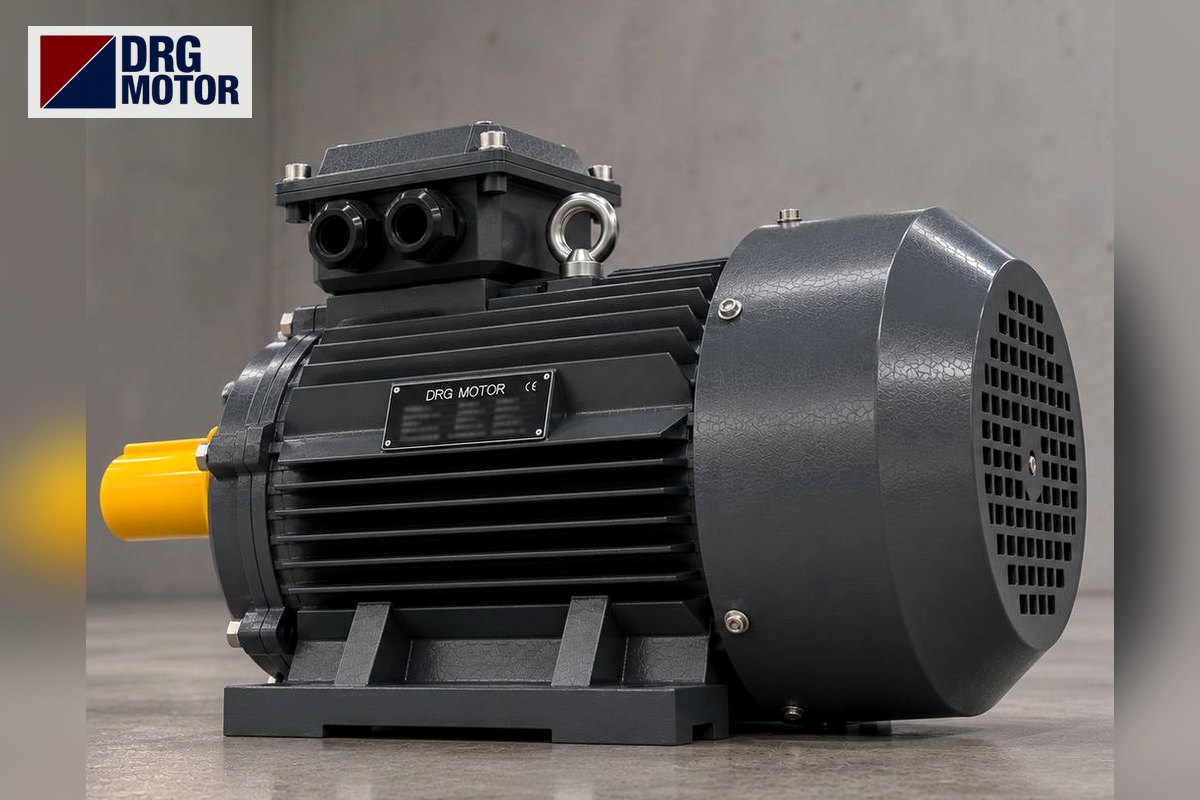

A cold start is the first run given to an electric motor while it is at ambient temperature (cooled down after a stop); a hot start is a restart given once the motor has reached its running temperature. The start count tells you how many times an electric motor can safely be started and stopped within a given period (usually per hour) in each of these states. When cold, the winding has a wide thermal margin, so the permitted number of starts is high; as the motor heats up that margin shrinks and the hot-start allowance drops. The exact figure is stated on the motor nameplate and in the manufacturer's technical document.
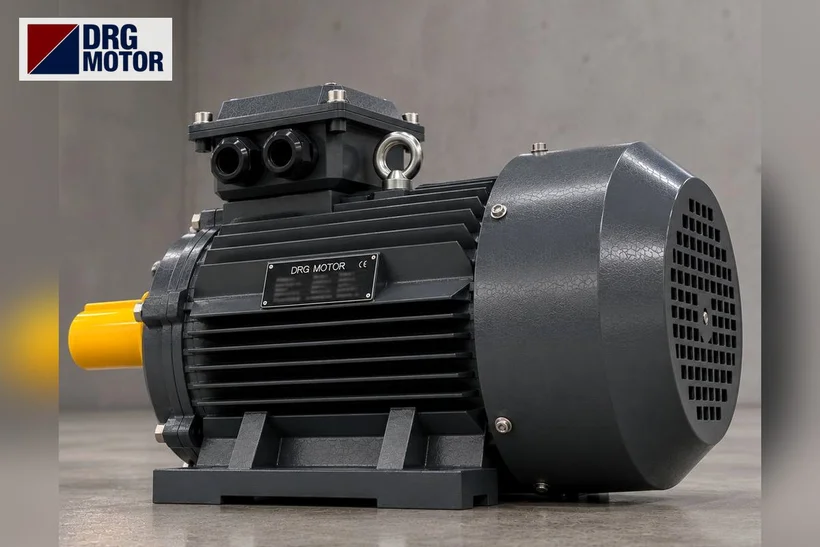
DRG Motor is a manufacturer, supplier and seller of electric motors. It is based in İzmir and ships quickly across all of Türkiye, that province included. Pick the right power for a frequently starting line by speed in the online electric motor shop and see the same models together in the three-phase asynchronous electric motors category.
What happens at start, and why the count is limited
When an idle asynchronous electric motor is first energised, it draws several times its rated current from the grid to set the stationary mass of shaft and load turning. This high current lasts only seconds but heats the winding quickly. Once the motor reaches speed and current settles, the heating stops and the fan begins to cool it. That is where the limit comes from: every start leaves a heat pulse in the winding. If the pulses arrive too close together to allow cooling in between, the winding temperature climbs. The start count answers how many starts can be made without upsetting this heat balance.
The difference between cold and hot starts
The difference, in one word, is thermal reserve. In a cold motor the winding is at ambient temperature and has a wide range to heat through, so it tolerates more starts back to back. A hot motor is already near its running temperature; the same inrush current carries it to the limit far sooner. This is why manufacturer documents usually list two separate figures for permitted starts per hour: a higher one for the cold state and a lower one for the hot state. When planning an application, the figure to respect is the worst case — the hot-start value.
How many starts per hour? It depends
There is no single magic number, because the permitted start count depends on the motor and the load together. The deciding factors are:
- Load inertia: Hard-to-turn loads such as a large flywheel, fan or conveyor stretch the start out. The longer the start, the more the winding heats and the fewer starts per hour are allowed.
- Load torque: If the shaft starts turning already loaded (a full conveyor, a pump under pressure), the inrush stays high for longer.
- Pole count and power: At the same power, a 6-pole motor behaves differently from a 2-pole one; the plate values are specific to the model.
- Cooling and surroundings: A motor in a hot, airless cabinet allows fewer starts than one in a cool, well-ventilated spot.
So set the hourly start count from the value on the motor's nameplate and technical document, not from a guess.
Click to see current electric motor prices and order nowSEE PRICES →
DRG three-phase models often used here
On lines with a start-stop pattern, 1500 rpm (4-pole) motors are a common choice; below are a few aluminium-body DRG models from that group as examples. Decide which power fits from the shaft power the load actually demands.
| DRG model | Power (kW) | Speed (rpm) | Voltage (V) |
|---|---|---|---|
| DRG-90L-4 | 1.5 | 1500 | 230/400 V |
| DRG-112M-4 | 4 | 1500 | 400/690 V |
| DRG-132S-4 | 5.5 | 1500 | 400/690 V |
| DRG-132M-4 | 7.5 | 1500 | 400/690 V |
| DRG-160M-4 | 11 | 1500 | 400/690 V |
You can reach each model's detail page from the table above and compare all power and speed options in the electric motor shop.
What to check with frequent start-stop
If an application needs many starts per hour, methods that soften the inrush current and the heat pulse are considered instead of direct-on-line starting. Star-delta starting, a soft starter or a frequency drive (inverter) lowers the current peak at start, so the motor heats less on each start and the effective hourly start allowance rises. These are panel devices separate from the motor itself and should be weighed, together with motor selection, by the qualified person designing the electrical installation. The principle is simple: softening the start is the most practical way to protect the motor.
Protection and safe practice
On a frequently starting motor the thermal protection (motor protection switch or thermal relay) must be set correctly; some motors have thermal sensors (thermistors) embedded in the winding, and wiring these into the protection circuit guards the winding against overheating. Set the values from the current on the motor nameplate and the instruction in the device document, not from memory. When work inside the panel is needed, cut the power, confirm it is dead and have qualified electrical personnel do the job. If you are unsure of the right model and size, keep the existing motor's nameplate to hand before deciding.
When ordering or planning an application, sharing a photo of the nameplate is the surest approach.
Send a photo of your current motor nameplate and we will find the suitable DRG model together.Send on WhatsApp
To pick the right power for a frequently starting application, browse the three-phase motor range.SEE PRICES
In short, the start count measures how many times a motor can be started without overheating; it is higher when cold and lower when hot, and the exact value is always read from the nameplate and the document.
Frequently asked questions
Why is the cold-start count higher than the hot-start count?
Because a cold motor has a wide margin for the winding to heat through. Once the motor reaches running temperature that margin narrows; the same inrush current carries the winding to the limit sooner, so fewer starts are allowed when hot.
Where do I find the permitted starts per hour?
On the motor nameplate and in the manufacturer's technical document. The value varies with the motor, the pole count and the load, so a general number would be misleading; check your own motor's document.
Does frequent starting harm the motor?
If you start repeatedly above the permitted number without letting it cool, the winding overheats and its life shortens. Softening the start with star-delta, a soft starter or a drive reduces this risk.
Does a heavy load change the start count?
Yes. High-inertia loads stretch the start out, the winding heats more and the number of starts possible per hour falls. That is why the motor should be chosen for the real demand of the load.
Electric Motors Related to This Topic — Models and Current Prices
Suitability is not decided by power alone: compare the speed, voltage, mounting, shaft and fixing dimensions of your machine with the product data; if unsure, send us the nameplate of your current motor.

4 kW Three-Phase Motor 1500 rpm – DRG-112M-4 Aluminium
- 4 kW · 1500 rpm (4 poles)
- Aluminium frame · IEC 112M
- Shaft: 28 × 60 mm

5.5 kW Three-Phase Motor 1500 rpm – DRG-132S-4 Aluminium
- 5.5 kW · 1500 rpm (4 poles)
- Aluminium frame · IEC 132S
- Shaft: 38 × 80 mm

7.5 kW Three-Phase Motor 1500 rpm – DRG-132M-4 Aluminium
- 7.5 kW · 1500 rpm (4 poles)
- Aluminium frame · IEC 132M
- Shaft: 38 × 80 mm

11 kW Three-Phase Motor 1500 rpm – DRG-160M-4 Aluminium
- 11 kW · 1500 rpm (4 poles)
- Aluminium frame · IEC 160M
- Shaft: 42 × 110 mm

1.5 kW Three-Phase Motor 1500 rpm – DRG-90L-4 Aluminium
- 1.5 kW · 1500 rpm (4 poles)
- Aluminium frame · IEC 90L
- Shaft: 24 × 50 mm