English
 Le français
 Türkçe





Contactor selection differs for AC-3 and AC-4 because of when, and how much, current the contactor breaks. AC-3 is for starting a squirrel-cage asynchronous motor normally and switching it off once it has reached speed; the contactor breaks the current after the motor is up to speed, that is, after the current has fallen back to normal. AC-4 covers starting the motor together with reverse-current braking (plugging), sudden stopping and inching (jogging) — switching off while the inrush current is still high. For the same motor, AC-4 puts the contactor under a far heavier breaking duty, so you pick a size larger than the AC-3 choice, or a contactor rated specifically for AC-4.
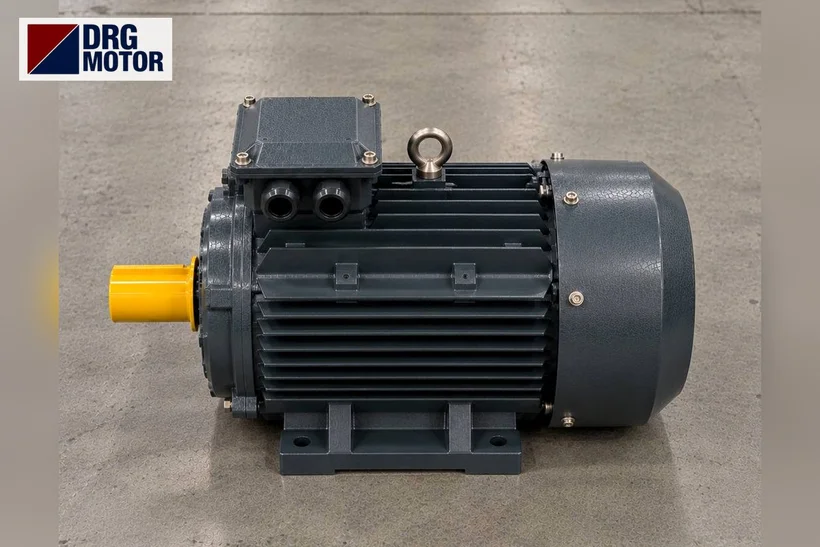
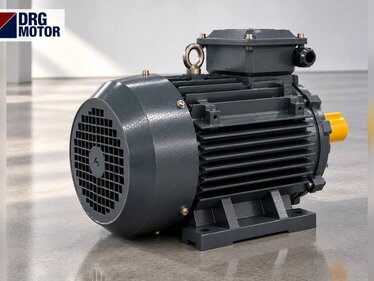
DRG Motor is a manufacturer, supplier and seller of electric motors. It is based in İzmir and ships quickly across all of Türkiye, that province included. Choose the motor to be switched in your panel by power and speed in the online electric motor shop and see the same models together in the three-phase asynchronous electric motors category.
What is a utilisation category (AC-3, AC-4)?
A utilisation category is a standard label that shows what kind of load a contactor is classed to switch, and in what operating manner. You read the letters and number together: the leading "AC" means alternating current, and the trailing number describes the character of the load. On the motor side, the two most common are AC-3 and AC-4, and both cover squirrel-cage asynchronous motors. The distinction lies in how the motor is started and stopped — that is, at what current level the contactor's contacts close and open. When choosing a contactor, deciding which category the load falls into is the first step toward the right size.
When does AC-3 apply?
AC-3 is the most common motor application: the motor is started direct-on-line, reaches speed, does its work and is switched off while running at normal speed. The critical point here is the moment of opening. When the contact closes, the motor is stationary and draws several times its rated current as inrush; but that current lasts only seconds. By the time the contact opens, the motor is already up to speed and its current has fallen to the rated value. So the contactor sees the high current only when closing, not when breaking. Most lines that start once and then run for a long time — pumps, fans, conveyors, compressors — fall under AC-3. This is why contactor catalogues give a direct selection table by motor power and current for AC-3.
When is AC-4 needed?
AC-4 is the operating manner where the motor has not yet come up to speed, or is being reversed, so the contactor opens while breaking a high current. There are three typical cases:
- Jogging (inching): The motor is energised and de-energised in short, second-long bursts. At each break the motor has not reached speed yet; the contact still opens the high inrush current.
- Plugging (reverse-current braking): To stop the motor quickly, the phases are swapped so torque is applied in the opposite direction. During this a current well above the rated value passes through the contactor, and the contact breaks it.
- Frequent reversing: Lines that run forward and back — some door, crane or handling arrangements — reverse the motor while it is still turning, so the break again happens at a high current.
The common thread in all three: the contact opens before the current has dropped. The arc energy between the contacts at the moment of opening is much larger.
Click to see current electric motor prices and order nowSEE PRICES →
Why is the choice different? The arc at break
The whole reason is contact wear. When a contactor contact opens, a short arc forms between the faces; the energy that arc carries is proportional to the current being broken. In AC-3 the break is at rated current, so the arc stays small and the contacts last a long time. In AC-4 the break happens while the inrush current is high; the arc energy multiplies and the contacts wear more with every opening. A contactor of the same rated current, easily used in AC-3, gives far fewer switching operations in AC-4. That is why contactor makers publish two separate ratings for the same device: a higher motor power for AC-3 and a lower one for AC-4. If you will drive the same motor under AC-4 conditions, you either step up one contactor size or take the value read directly from the AC-4 table.
DRG three-phase models often used here
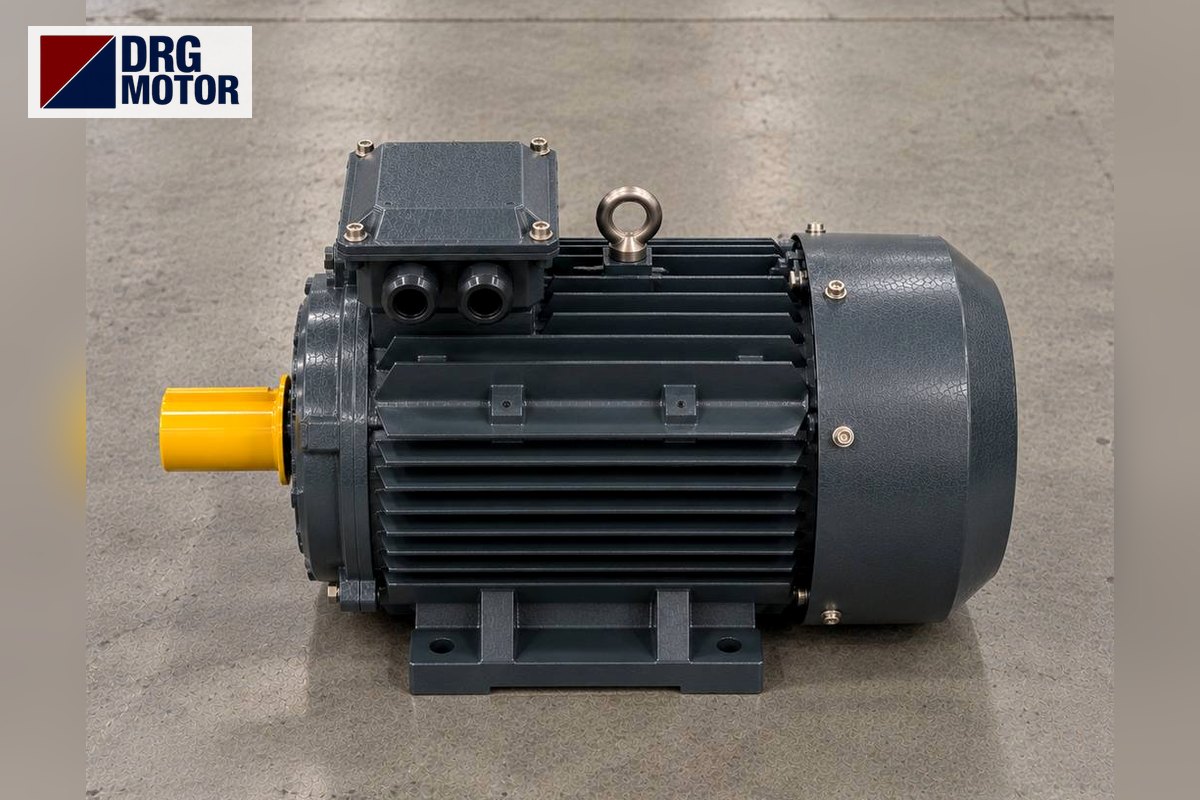
Contactor selection starts with the power and current of the motor being switched; on the motor side, 1500 rpm (4-pole) aluminium-body models are very common in industry. Below are a few DRG models from that group as examples. Decide which power fits from the shaft power the load actually demands, and then choose the contactor to suit that power and the operating manner — AC-3 or AC-4.
| DRG model | Power (kW) | Speed (rpm) | Voltage (V) |
|---|---|---|---|
| DRG-90L-4 | 1.5 | 1500 | 230/400 V |
| DRG-112M-4 | 4 | 1500 | 400/690 V |
| DRG-132S-4 | 5.5 | 1500 | 400/690 V |
| DRG-132M-4 | 7.5 | 1500 | 400/690 V |
| DRG-160M-4 | 11 | 1500 | 400/690 V |
You can reach each model's detail page from the table above and compare all power and speed options in the electric motor shop.
How is a contactor chosen in practice?
The order followed in the field is simple. First read the power and rated current from the motor nameplate. Then decide how the motor runs: if it starts once and stops, AC-3; if it jogs, plugs or reverses often, AC-4. In the contactor catalogue, check that the device's motor-power value in that category is equal to or above your motor's power. If you trust the AC-3 value and fit the same size for an AC-4 application, the contacts will burn out far sooner than expected. A correctly set thermal protection (motor protection switch or thermal relay) is always added next to the contactor; this is a separate part that protects the motor against overcurrent, distinct from the contactor's job of switching.
Common mistakes
The most frequent error is buying a contactor by motor power alone, without looking at the operating manner. Fitting an AC-3 size on a line that jogs or brakes is the number-one cause of contacts burning early. The second mistake is picking a contactor smaller than the motor; a size chosen because "it will do" can weld shut on the inrush current. The third is skipping thermal protection or thinking the contactor itself protects the motor; the contactor switches, the thermal element protects. Set the right size from the category table in the contactor's own document, not from memory. When work inside the panel is needed, cut the power, confirm it is dead and have qualified electrical personnel make the connection.
If you are unsure of the power or the operating manner of the motor to be driven, keep the existing motor's nameplate to hand before deciding.
Send a photo of your current motor nameplate and we will find the suitable DRG model together.Send on WhatsApp
To pick a power that matches the load and the way it is switched, browse the three-phase motor range.SEE PRICES
In short, an AC-3 contactor breaks a motor at rated current once it is up to speed, while AC-4 breaks it at a high inrush current. That is why the same motor needs a larger contactor under AC-4, and the choice is always made from the device's category table.
Frequently asked questions
Can I use an AC-3 contactor in an AC-4 application?
You can, but you need to step up one size. Because the contact in AC-4 opens while breaking a high current, the same contactor's valid motor power for AC-4 is lower than for AC-3. Look at the power on the AC-4 line of the device and keep your motor below that value.
Which category applies to a pump or fan?
Most pumps, fans and conveyors start once, run for a long time and stop at normal speed; that is AC-3. Only frequent inching, reverse-current braking or frequent reversing calls for AC-4.
Is a contactor chosen by motor power or by current?
By both. Catalogues give a motor-power value for convenience, but fundamentally the contactor's rated current must cover the motor's rated current. Reading the current on the nameplate and comparing it with the contactor's value in that category is the surest approach.
Does star-delta starting change contactor selection?
Yes. In a star-delta arrangement three contactors work together and each sees a different current; the main, delta and star contactors are sized to that arrangement. Again, this is done from the table in the device document.
Electric Motors Related to This Topic — Models and Current Prices
Suitability is not decided by power alone: compare the speed, voltage, mounting, shaft and fixing dimensions of your machine with the product data; if unsure, send us the nameplate of your current motor.

4 kW Three-Phase Motor 1500 rpm – DRG-112M-4 Aluminium
- 4 kW · 1500 rpm (4 poles)
- Aluminium frame · IEC 112M
- Shaft: 28 × 60 mm

5.5 kW Three-Phase Motor 1500 rpm – DRG-132S-4 Aluminium
- 5.5 kW · 1500 rpm (4 poles)
- Aluminium frame · IEC 132S
- Shaft: 38 × 80 mm

7.5 kW Three-Phase Motor 1500 rpm – DRG-132M-4 Aluminium
- 7.5 kW · 1500 rpm (4 poles)
- Aluminium frame · IEC 132M
- Shaft: 38 × 80 mm

11 kW Three-Phase Motor 1500 rpm – DRG-160M-4 Aluminium
- 11 kW · 1500 rpm (4 poles)
- Aluminium frame · IEC 160M
- Shaft: 42 × 110 mm

1.5 kW Three-Phase Motor 1500 rpm – DRG-90L-4 Aluminium
- 1.5 kW · 1500 rpm (4 poles)
- Aluminium frame · IEC 90L
- Shaft: 24 × 50 mm