 English
 Le français
 Türkçe




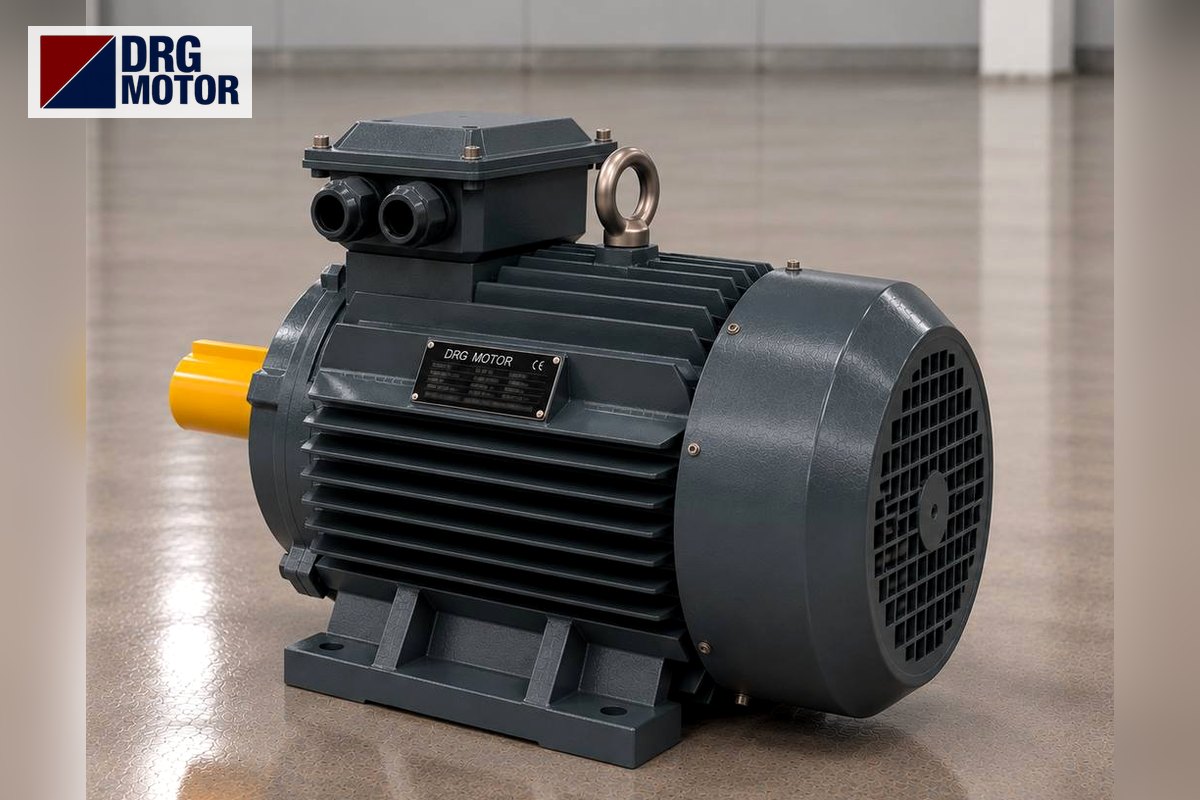

In a renewal project the top of the list goes to the machines that run the most hours per year and spend most of those hours under load. In other words, tackle the hardest worker first, not simply the oldest motor; these are the ones that swell the yearly energy bill. Equipment that kicks in once a month and runs briefly can wait until the end.
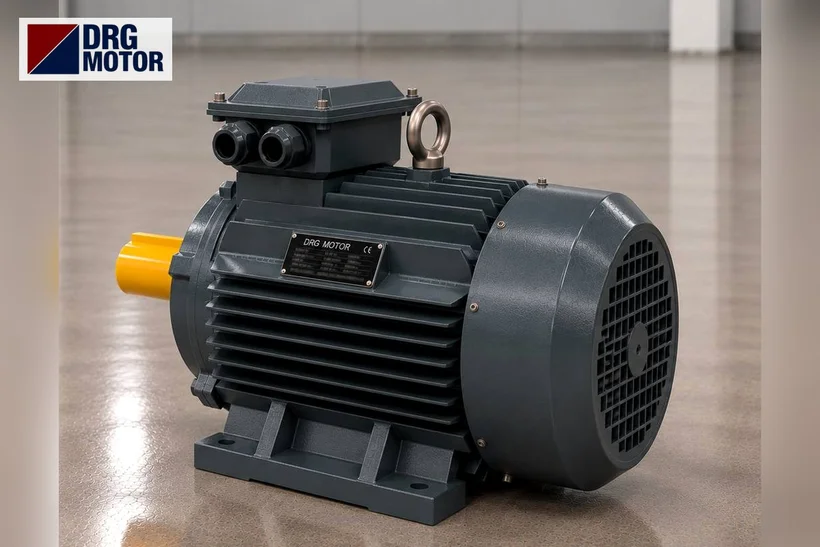
DRG Motor is a manufacturer, supplier and seller of electric motors; it is based in İzmir and ships quickly across all of Türkiye. Once you know which machines to renew, find the three-phase models that match the nameplate power and speed in the online electric motor shop and see the same group together in the three-phase asynchronous electric motors category.
What sets the priority: hours or load?
Both at once. The yearly energy a motor uses is roughly the power it draws times the hours it runs. A pump on two shifts and a hoist that works a few hours a week put very different demands on the supply even at the same rating. So to order the renewal with confidence, read two numbers together: annual running hours and the average load during those hours.
Rule of thumb: machines that run long and keep real work on the shaft go to the top; those that run little or idle most of the time go to the bottom.
How to establish running hours on site
With records, not guesses. Use whatever you have: a run-hour counter in the panel, automation (PLC/SCADA) logs, the shift book, or a simple hour meter fitted to the motor. With no record at all, even a week or two of observation helps; scale those hours up to a year. The aim is not a perfect figure but ranking the machines correctly against each other.
How to read the load
The quickest way is to measure the current drawn with a clamp meter and compare it to the rated current on the nameplate. A motor whose current stays close to the rated value for long stretches is working under load; one that sits well below it is either idling or was oversized from the start. Let qualified electrical personnel take the measurement and apply the necessary safety precautions when working inside the panel; set current values according to the motor nameplate and the device documentation.
| Machine / equipment | Typical running | Load state | Priority |
|---|---|---|---|
| Fan, pump, compressor (in line) | All day, long hours | Mostly loaded | High |
| Conveyor, mixer | Shift-based, variable | Medium / variable | Medium |
| Press, crane, auxiliary | Occasional, short | Idle much of the time | Low |
Click to see current electric motor prices and order nowSEE PRICES →
DRG three-phase asynchronous counterparts
Once the machine is chosen, the job is to match the old nameplate accurately: power (kW), speed, frame size and voltage. When you order, photograph the old motor's plate; the 1500 rpm aluminium-frame three-phase models below are examples from the power band most often replaced in industry.
| Model | Power | Speed | Frame / Voltage |
|---|---|---|---|
| DRG-90L-4 | 1.5 kW | 1500 rpm | 90L / 230/400 V |
| DRG-112M-4 | 4 kW | 1500 rpm | 112M / 400/690 V |
| DRG-132S-4 | 5.5 kW | 1500 rpm | 132S / 400/690 V |
| DRG-132M-4 | 7.5 kW | 1500 rpm | 132M / 400/690 V |
| DRG-160M-4 | 11 kW | 1500 rpm | 160M / 400/690 V |
A small 1.5 kW DRG-90L-4 on a pump that runs all day can still earn a high place, while the motor of a press used only now and then stays low on the list despite its size. Checking its current draw helps you confirm the frame and power you choose.
Step-by-step prioritisation
- Build an inventory: photograph each machine's motor nameplate and note power, speed, frame and voltage.
- Collect running hours (counter, automation log, or a week or two of observation).
- Measure the load: compare the current drawn with the rated current.
- Rank the machines from high to low using the hours × load logic.
- Time the change to a planned maintenance stop; separate what can be done without halting the line.
- Match the order to the nameplate; pick the model at the same power and speed.
Send a photo of your current motor nameplate and we will find the suitable DRG model together.Send on WhatsApp
Click to compare the right three-phase models by power and speed for the motors you will renewSEE PRICES
Common mistakes
- Starting only from the oldest or most fault-prone motor and skipping a sound one that runs constantly.
- Dropping a small but all-day motor from the list just because it is small.
- Oversizing: the motor runs mostly idle, its current stays low, and the investment is wasted.
- Mismatching speed/pole count and changing the machine's speed.
Frequently asked questions
Should I replace the oldest one first, or the hardest worker?
If it is under high load and runs long hours, prioritise the hard worker. Age alone is not the ranking criterion; yearly energy use is set by hours and load together.
I do not know the running hours — what can I do?
With no panel counter or automation log, do a simple week-or-two observation and scale those hours to a year. That is enough to rank the machines against each other.
Can a small motor make the priority list?
Yes. A 1.5 kW DRG-90L-4 running all day can come before a larger motor used only a few hours a week, because its annual hours are far higher.
What should I look at when choosing the new motor?
The old nameplate: power (kW), speed, frame size and voltage. You can pick the matching three-phase model from the shop by power and speed.
Electric Motors Related to This Topic — Models and Current Prices
Suitability is not decided by power alone: compare the speed, voltage, mounting, shaft and fixing dimensions of your machine with the product data; if unsure, send us the nameplate of your current motor.

4 kW Three-Phase Motor 1500 rpm – DRG-112M-4 Aluminium
- 4 kW · 1500 rpm (4 poles)
- Aluminium frame · IEC 112M
- Shaft: 28 × 60 mm

5.5 kW Three-Phase Motor 1500 rpm – DRG-132S-4 Aluminium
- 5.5 kW · 1500 rpm (4 poles)
- Aluminium frame · IEC 132S
- Shaft: 38 × 80 mm

7.5 kW Three-Phase Motor 1500 rpm – DRG-132M-4 Aluminium
- 7.5 kW · 1500 rpm (4 poles)
- Aluminium frame · IEC 132M
- Shaft: 38 × 80 mm

11 kW Three-Phase Motor 1500 rpm – DRG-160M-4 Aluminium
- 11 kW · 1500 rpm (4 poles)
- Aluminium frame · IEC 160M
- Shaft: 42 × 110 mm

1.5 kW Three-Phase Motor 1500 rpm – DRG-90L-4 Aluminium
- 1.5 kW · 1500 rpm (4 poles)
- Aluminium frame · IEC 90L
- Shaft: 24 × 50 mm





