 English
 Le français
 Türkçe

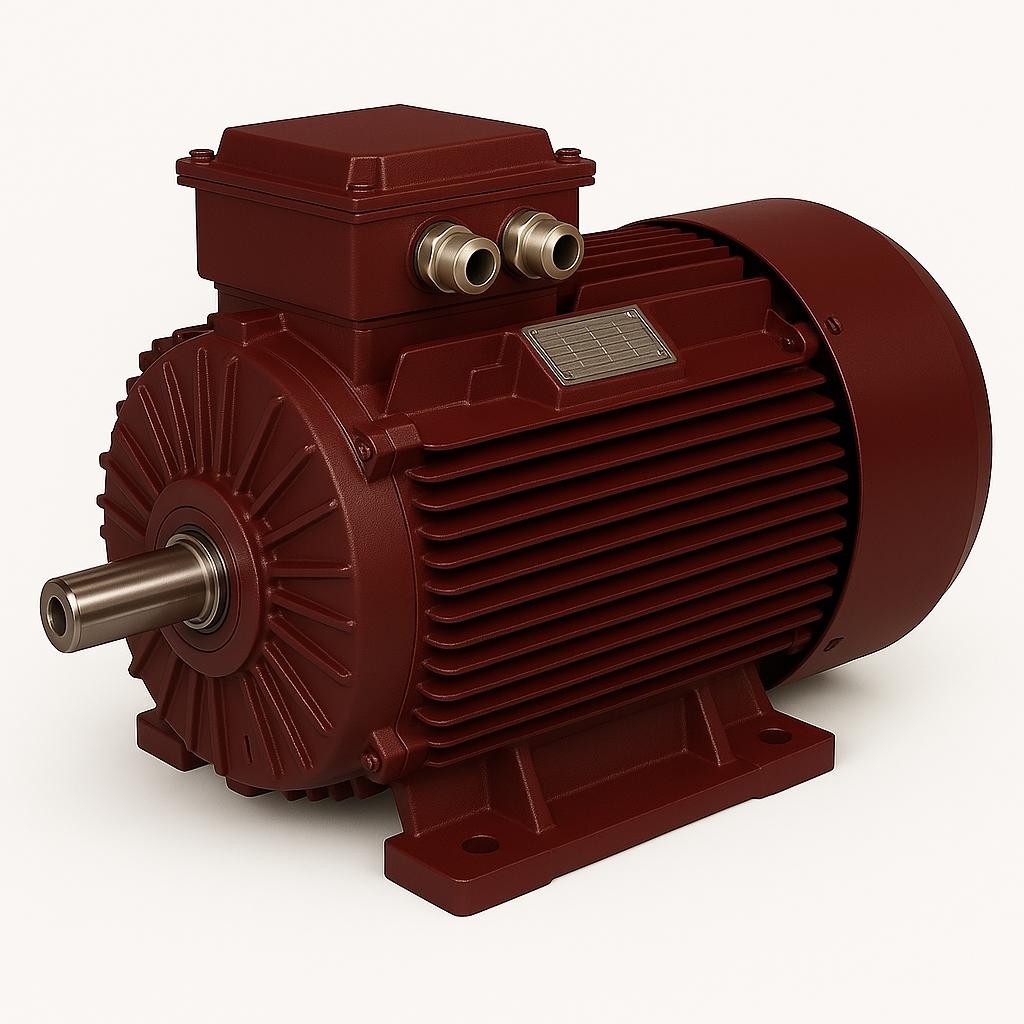

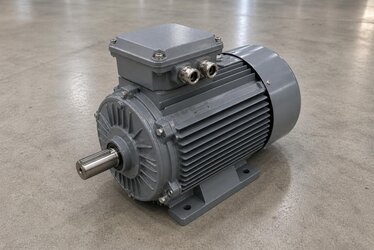
The basic function of an electric motor is to convert the electrical energy it draws from the supply into the mechanical energy of a rotating shaft. This seemingly simple conversion lies at the heart of almost every machine that lifts, turns, pumps or moves a load. The motor's real job is to drive the load it is connected to reliably and efficiently.
Turning Energy into Motion
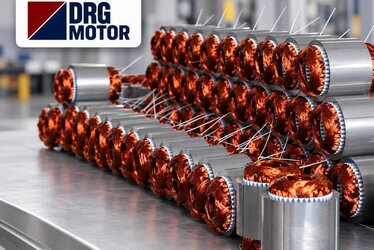
Alternating current applied to the stator creates a rotating magnetic field; this field induces current in the rotor, producing torque that turns the shaft. The torque on the shaft is transmitted to the connected machine through a belt and pulley, a coupling or a gearbox.
Torque and Speed Demand
How much torque and at what speed an application needs determines the motor's power and pole count. On a 50 Hz supply, 2 poles give 3000 rpm, 4 poles 1500 rpm and 6 poles 1000 rpm; slow duties needing high torque favour motors with more poles.
Why Efficiency Matters
How much of the drawn energy a motor turns into mechanical work is measured by its efficiency. Under IEC 60034-30-1, IE3 Premium and IE4 Super Premium motors do the same work with less energy; on long-running duties this difference shows directly in operating cost.
The Right Motor for the Need
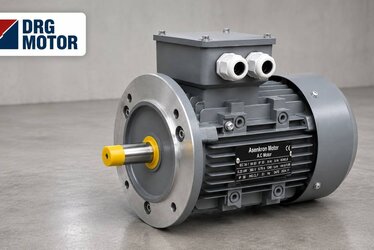
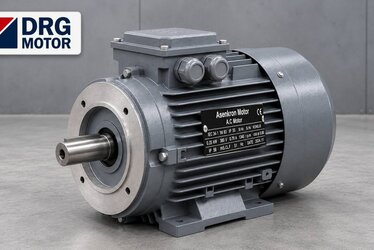
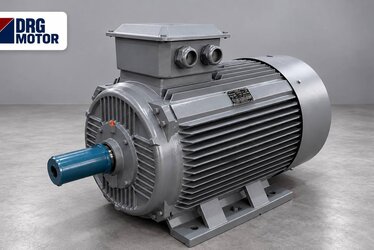
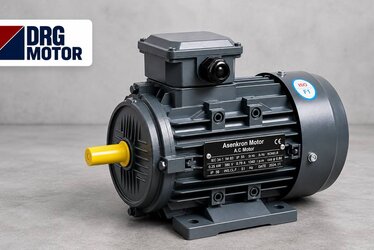
A motor proves useful only when it is matched correctly to the application: power, speed, mounting type and protection class must suit the load. DRG Motor supplies motors from 0.55 to 355 kW with B3/B5/B14 mounting and IP55 protection for the 400 V / 50 Hz supply.