 English
 Le français
 Türkçe




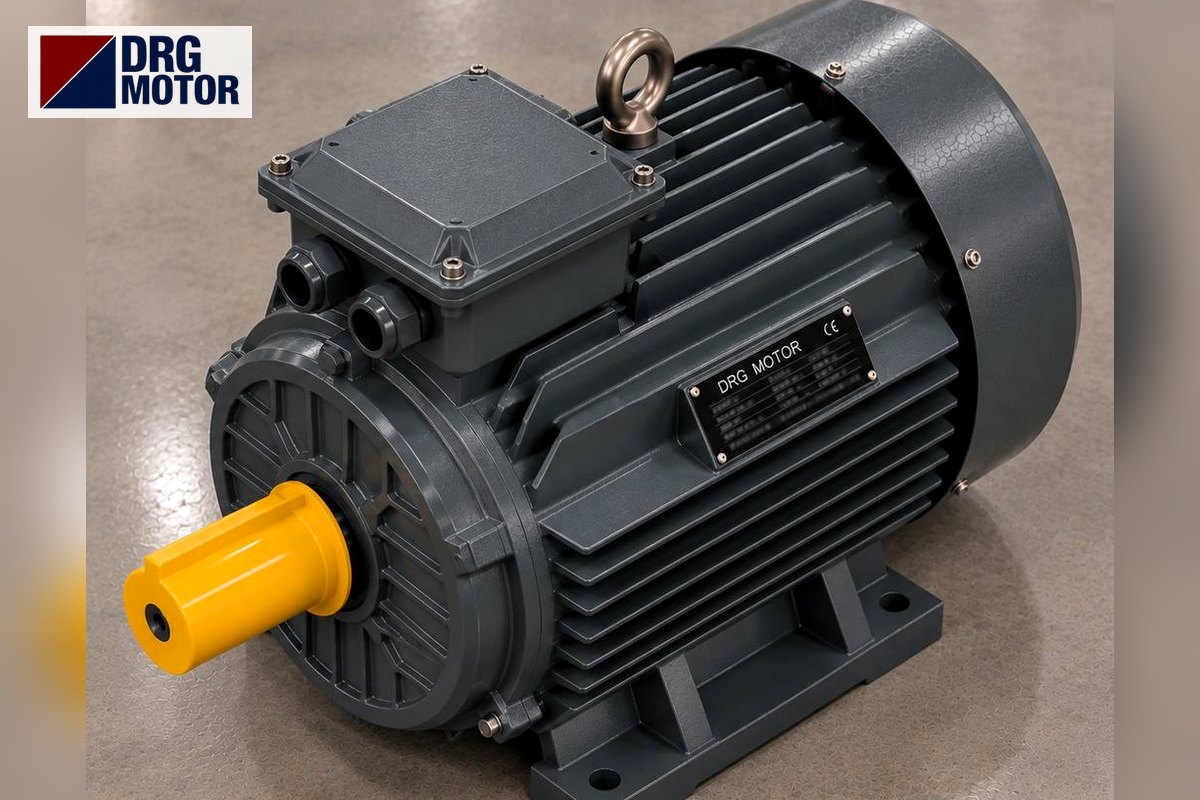

Short answer: when the electricity tariff rises, the energy saving delivered by an efficient electric motor carries more weight, so the payback on the investment shortens; when the tariff falls, the same saving is worth less and the payback stretches out. The motor does not change — the shifting tariff moves the value of the saving and pulls the payback schedule earlier or later.
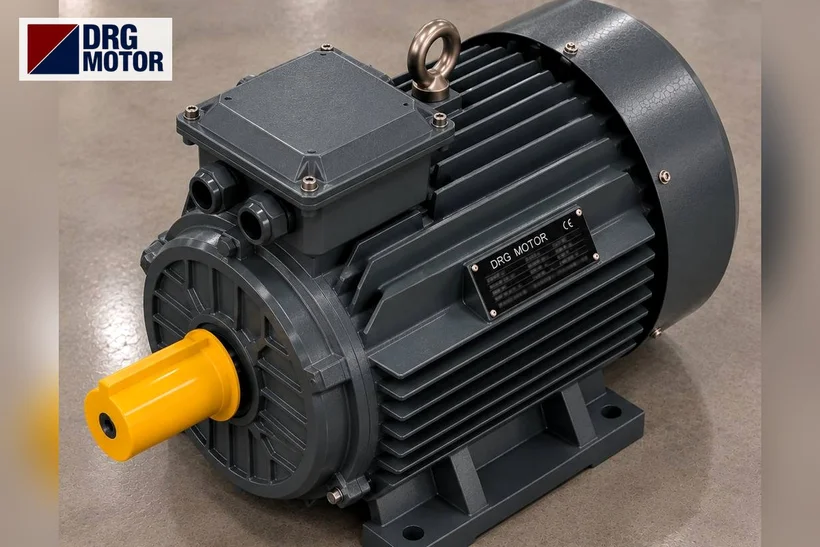
DRG Motor is a manufacturer, supplier and seller of electric motors. It is based in İzmir and ships quickly across all of Türkiye, that province included. You can pick an efficient model to match your power and speed in the online electric motor shop and see the same products together in the three-phase asynchronous electric motors category.
What does the payback period really mean?
Moving to an efficient electric motor involves an extra outlay up front. That motor does the same work with less energy, and the difference in consumption builds up over time. The payback period is simply the time it takes for that extra outlay to be balanced by the accumulated saving. The heavier the saving, the sooner the balance is reached.
Two separate quantities are at play: how much energy the motor consumes, and what that energy is worth under the tariff. The motor choice sets the first; the tariff sets the second. Because payback comes from the product of the two, the tariff alone can reshape the whole schedule.
What moves in the equation when the tariff changes?
As long as the work stays the same, the energy saving the motor delivers is fixed. What changes is what that saving is worth. When the tariff goes up, every unit of saving counts for more, and the same motor under the same running pattern pays for itself faster. When the tariff comes down, the saving lightens and the break-even point shifts further out. The key point: a moving tariff does not make an efficient motor a poor choice, it only sets the pace of the payback.
Click to see current electric motor prices and order nowSEE PRICES →
Two directions: tariff up and tariff down
| Tariff direction | Weight of saving | Payback period |
|---|---|---|
| Rising | Grows | Shortens |
| Flat | Unchanged | As planned |
| Falling | Shrinks | Stretches |
The table shows direction, not an exact figure. The real schedule depends on the motor power, the annual running hours and the nature of the load. So instead of nailing a decision to one tariff value, it is wiser to think about the likely range the tariff can take.
Why read running hours together with the tariff?
Saving only builds while the motor runs. On an electric motor that turns a few hours a day, a tariff move affects payback slowly; on a line running three shifts, the same move is far more visible. So the answer to "what if the tariff changes" is tightly tied to how long the motor stays under load. Keep your annual-hours estimate realistic; an optimistic figure makes the payback look brighter than it is. For a rough first pass you can use the electric motor calculation tool.
At which power ratings does the difference show sooner?
For the same tariff move, larger ratings that process more energy under load accumulate the saving faster. A few 1500 rpm models from DRG’s aluminium three-phase asynchronous range are listed below by power. This order makes it easier to see where, at the same running hours, the tariff effect is felt earliest.
| Model | Power | Speed | Product |
|---|---|---|---|
| DRG-90L-4 | 1.5 kW | 1500 rpm | View |
| DRG-112M-4 | 4 kW | 1500 rpm | View |
| DRG-132S-4 | 5.5 kW | 1500 rpm | View |
| DRG-132M-4 | 7.5 kW | 1500 rpm | View |
| DRG-160M-4 | 11 kW | 1500 rpm | View |
When choosing a model, match not only the power but also the speed and frame size to your existing setup. A motor at the wrong speed will not deliver the expected saving whatever the tariff does.
Common mistakes when deciding
In the field we see three slips most often. First, calculating payback against a single tariff value and forgetting the tariff can move. Second, keeping the running hours optimistic and assuming a shorter schedule than is real. Third, oversizing the motor and spoiling both the investment and its behaviour under load. All three are avoided with a few honest minutes of assessment at decision time.
Browse the shop for an efficient electric motor matched to your running hours and power.SEE PRICES
Send a photo of your current motor nameplate and we will find the suitable DRG model together.Send on WhatsApp
Frequently asked questions
If the tariff falls, is an efficient motor pointless?
No. Even with a lower tariff the motor keeps consuming less energy; only the worth of the saving lightens and the payback stretches. On lines with long running hours the balance is still reached.
Is it right to quote payback as one fixed number?
A single hard figure is misleading. Because tariff and running hours vary, thinking of payback as a range makes the decision more robust.
Why is the effect slower on a small motor for the same tariff move?
A small rating processes less energy per unit of time. The saving therefore builds more slowly and the tariff direction shows up later.
How do I confirm the right model?
Share the nameplate of your current motor and your annual running pattern; we will settle the suitable DRG model together by power, speed and frame.
Electric Motors Related to This Topic — Models and Current Prices
Suitability is not decided by power alone: compare the speed, voltage, mounting, shaft and fixing dimensions of your machine with the product data; if unsure, send us the nameplate of your current motor.

4 kW Three-Phase Motor 1500 rpm – DRG-112M-4 Aluminium
- 4 kW · 1500 rpm (4 poles)
- Aluminium frame · IEC 112M
- Shaft: 28 × 60 mm

5.5 kW Three-Phase Motor 1500 rpm – DRG-132S-4 Aluminium
- 5.5 kW · 1500 rpm (4 poles)
- Aluminium frame · IEC 132S
- Shaft: 38 × 80 mm

7.5 kW Three-Phase Motor 1500 rpm – DRG-132M-4 Aluminium
- 7.5 kW · 1500 rpm (4 poles)
- Aluminium frame · IEC 132M
- Shaft: 38 × 80 mm

11 kW Three-Phase Motor 1500 rpm – DRG-160M-4 Aluminium
- 11 kW · 1500 rpm (4 poles)
- Aluminium frame · IEC 160M
- Shaft: 42 × 110 mm

1.5 kW Three-Phase Motor 1500 rpm – DRG-90L-4 Aluminium
- 1.5 kW · 1500 rpm (4 poles)
- Aluminium frame · IEC 90L
- Shaft: 24 × 50 mm





