 English
 Le français
 Türkçe




You account for financing cost by placing it on the same timeline as the energy the motor saves over its working life. Put the drop in grid energy that a renewed motor brings next to the repayment of a financed purchase, then see how long that saving takes to meet the obligation. The real question is not "outright or in instalments" but "does the repayment period fit inside the machine's working life".
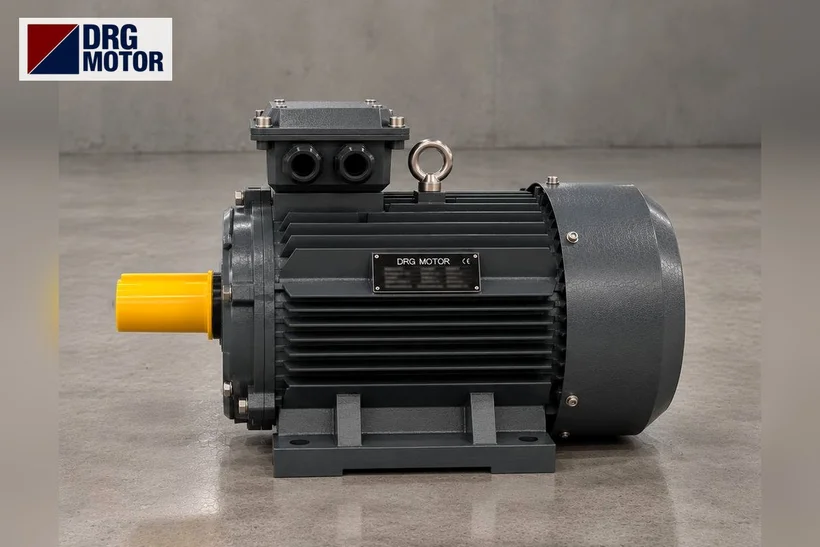
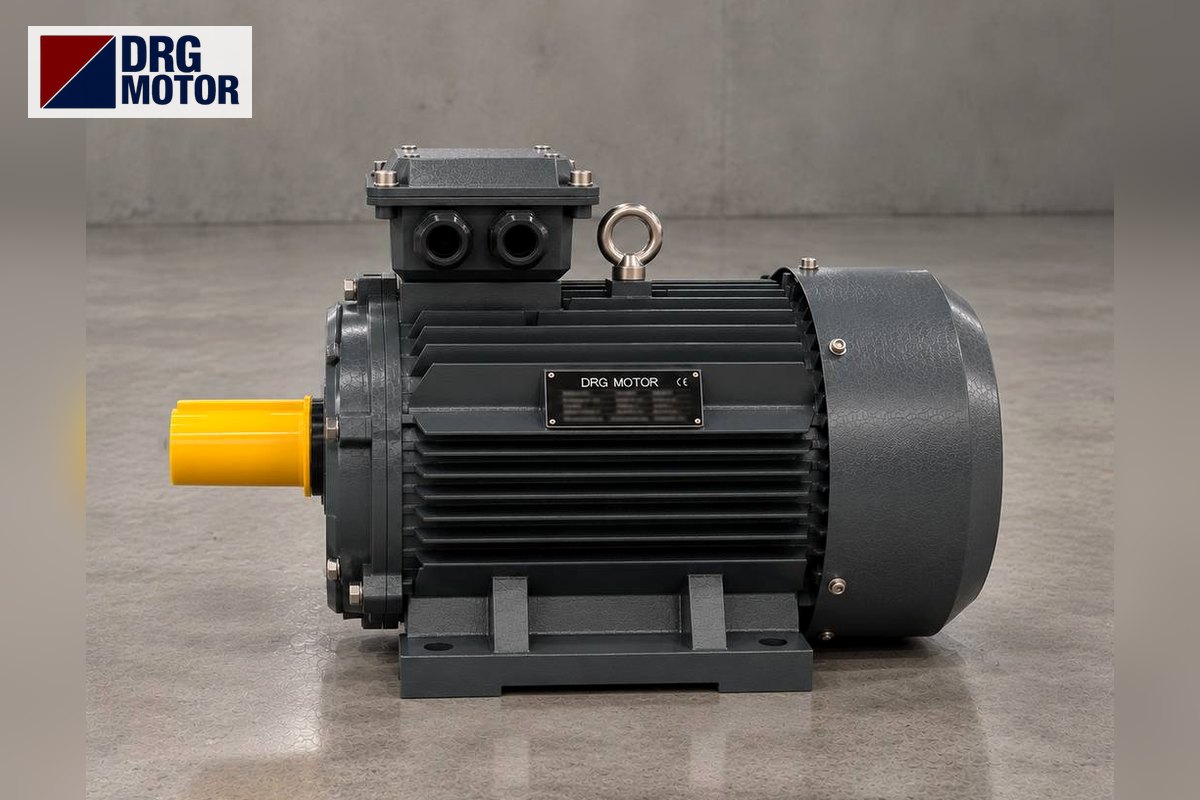
DRG Motor is a manufacturer, supplier and seller of electric motors; it is based in İzmir and ships quickly across all of Türkiye, that province included. Once you decide which machine to renew, find the model that matches the nameplate power and speed in the online electric motor shop and see the same group together in the three-phase asynchronous electric motors category.
What does financing cost mean in a motor investment?
Buy a motor outright and you set the funds aside once; finance it and you spread the same purchase over time, taking on a repayment obligation in return. That obligation is the financing cost: it sits in your calendar, not on the motor's frame. It is a separate calculation that starts once the technical choice is made, and it shapes the decision directly.
The logic of moving to an energy-efficient motor is to do the same work at the shaft with less grid energy. That reduction builds up every running hour. Accounting for financing cost means writing that build-up on the same page as the repayment schedule and comparing the two.
Putting repayment and energy saving on one timeline
The method is plain: repayment periods on one side, the energy reduction the renewal delivers each period on the other. If the saving comfortably meets the repayment, the investment carries itself; if it does not, either the machine does not run enough or the repayment term was set too short.
Three things decide the outcome: how many hours a year the machine runs, how much load sits on the shaft during those hours, and how many more years it will keep running. When all three are high the saving is strong and carries the repayment easily. On a machine that runs a few hours a day and idles the rest, the same investment recovers slowly.
Keep the periods realistic as you build the schedule. Whether you think in months or years does not matter; what matters is writing both sides in the same unit. Split the energy reduction into the same period length and each line shows directly how much of that period's obligation the saving meets. This layout takes the decision out of gut feeling and ties it to numbers, so you weigh the machine without overstating or dismissing it.
Click to see current electric motor prices and order nowSEE PRICES →
Which machine should be financed first?
Running, not size, sets the order. The machines that run the most hours per year and spend most of them under load go to the top, because that is where the saving builds up most and meets the repayment fastest. Equipment that starts once a month can wait until the end.
To read the load on site you can measure the current at the panel, and take running hours from a counter or an automation log. A rough figure is enough: the aim is not a perfect number but ranking the machines correctly against each other. Have energy-related measurements done by qualified electrical staff; isolate the supply and confirm it is dead before any work.
Matching power with DRG three-phase models
The starting point for a renewal is the old motor's nameplate. A few DRG aluminium-frame models in the 1500 rpm class and their shaft power are below; you pick the one closest to the power your machine needs.
| Model | Power | Approx. HP | Speed |
|---|---|---|---|
| DRG-90L-4 | 1.5 kW | 2 HP | 1500 rpm |
| DRG-112M-4 | 4 kW | 5.5 HP | 1500 rpm |
| DRG-132S-4 | 5.5 kW | 7.5 HP | 1500 rpm |
| DRG-132M-4 | 7.5 kW | 10 HP | 1500 rpm |
| DRG-160M-4 | 11 kW | 15 HP | 1500 rpm |
Where you are unsure about matching power and speed, the electric motor calculation tool helps; check shaft torque with T = 9550 · P / n and the rough HP with 1 HP ≈ 0.746 kW.
Match life with the repayment term
Golden rule: the repayment term must not outrun the machine's remaining working life. If the obligation lasts longer than the saving the motor delivers, the figures may look fine on paper while the burden rests on you alone for a while. On a long-lived machine with plenty of hours you can set the term a little more freely; on a short-lived or lightly used line, plan more cautiously.
Common mistakes when deciding
Three come up most on site. First, looking only at the purchase obligation and never putting the energy saving on the timeline, which ignores half the decision. Second, eagerly placing a lightly used machine at the top; with no saving building up, the repayment feels heavy. Third, oversizing "to be safe"; a motor too large for the machine draws more at no load and inflates the investment needlessly.
Pick the three-phase model with the right power and speed for the machine you want to renewSEE PRICES
Send a photo of your current motor nameplate and we will find the suitable DRG model together.Send on WhatsApp
Frequently asked questions
Should I think about financing cost before the technical choice?
No. First set the power and speed the machine needs and pick a suitable model; build the financing plan on top of that choice. A plan made before the technical requirement is settled risks financing the wrong motor.
What do I base the repayment term on?
On the machine's annual running hours, its load during those hours, and its remaining life. On busy, loaded machines the saving builds fast and the term is easier to set; on lightly used ones, be cautious.
Is this calculation needed for a small motor?
Yes, if the machine runs a lot. Even a small motor that turns most of the day uses meaningful energy over a year; running hours matter more than power here.
How do I settle on the right DRG model?
Photograph the power, speed and connection on the old motor's nameplate and send them to us; we will identify the suitable three-phase model in the same power-speed class together.
Electric Motors Related to This Topic — Models and Current Prices
Suitability is not decided by power alone: compare the speed, voltage, mounting, shaft and fixing dimensions of your machine with the product data; if unsure, send us the nameplate of your current motor.

4 kW Three-Phase Motor 1500 rpm – DRG-112M-4 Aluminium
- 4 kW · 1500 rpm (4 poles)
- Aluminium frame · IEC 112M
- Shaft: 28 × 60 mm

5.5 kW Three-Phase Motor 1500 rpm – DRG-132S-4 Aluminium
- 5.5 kW · 1500 rpm (4 poles)
- Aluminium frame · IEC 132S
- Shaft: 38 × 80 mm

7.5 kW Three-Phase Motor 1500 rpm – DRG-132M-4 Aluminium
- 7.5 kW · 1500 rpm (4 poles)
- Aluminium frame · IEC 132M
- Shaft: 38 × 80 mm

11 kW Three-Phase Motor 1500 rpm – DRG-160M-4 Aluminium
- 11 kW · 1500 rpm (4 poles)
- Aluminium frame · IEC 160M
- Shaft: 42 × 110 mm

1.5 kW Three-Phase Motor 1500 rpm – DRG-90L-4 Aluminium
- 1.5 kW · 1500 rpm (4 poles)
- Aluminium frame · IEC 90L
- Shaft: 24 × 50 mm





