 English
 Le français
 Türkçe
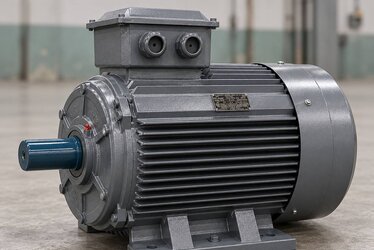
Electric Motor Protection Classes
Electric motor protection classes define the standards that determine a motor’s resistance to dust, water, and other environmental factors. These classes are designed to ensure saf... More Details

Electric motor protection classes define the standards that determine a motor’s resistance to dust, water, and other environmental factors. These classes are designed to ensure saf... More Details
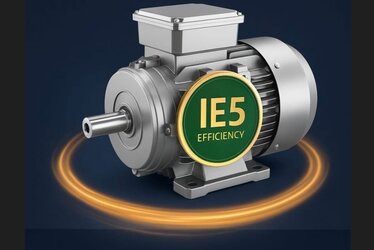
The efficiency race did not stop at IE3 and IE4. IE5, the highest step in IEC 60034-30-1, pulls losses roughly 20 percent below the class beneath it. Where compressor, fan and pump... More Details
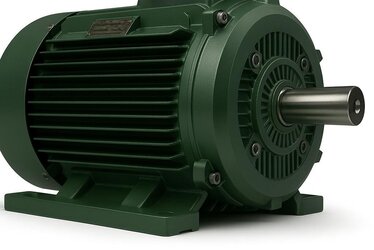
Three efficiency classes sit at the top of IEC 60034-30: IE3, IE4 and the IE5 ultra premium level. Choosing between them is arithmetic rather than preference, because the hours a m... More Details
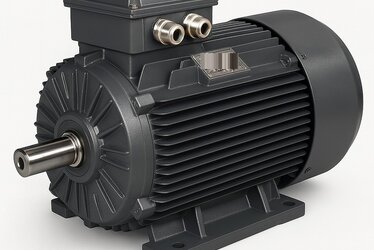
A plant's electricity bill mostly leaves through its motors, which makes efficiency the most concrete saving available to an operator. The gain costs no production time: identical ... More Details
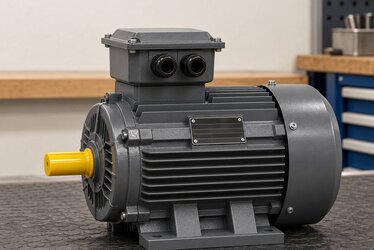
Efficiency in an electric motor shows how much of the electrical energy drawn from the grid becomes mechanical power at the shaft end. The difference turns into heat as winding, ir... More Details
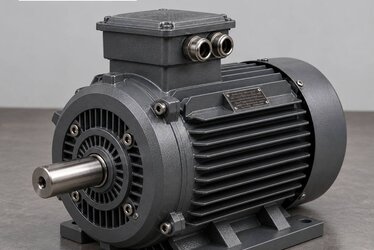
The IE3, IE4 and IE5 classes mark three consecutive steps in the efficiency design of induction motors. In next-generation machines, loss reduction comes from higher-grade silicon ... More Details
One of the most important measures of how "good" an electric motor is happens to be its efficiency class. The efficiency class shows how much of the electrical energy a motor draw... More Details