 English
 Le français
 Türkçe

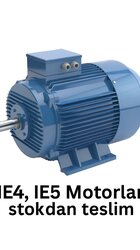
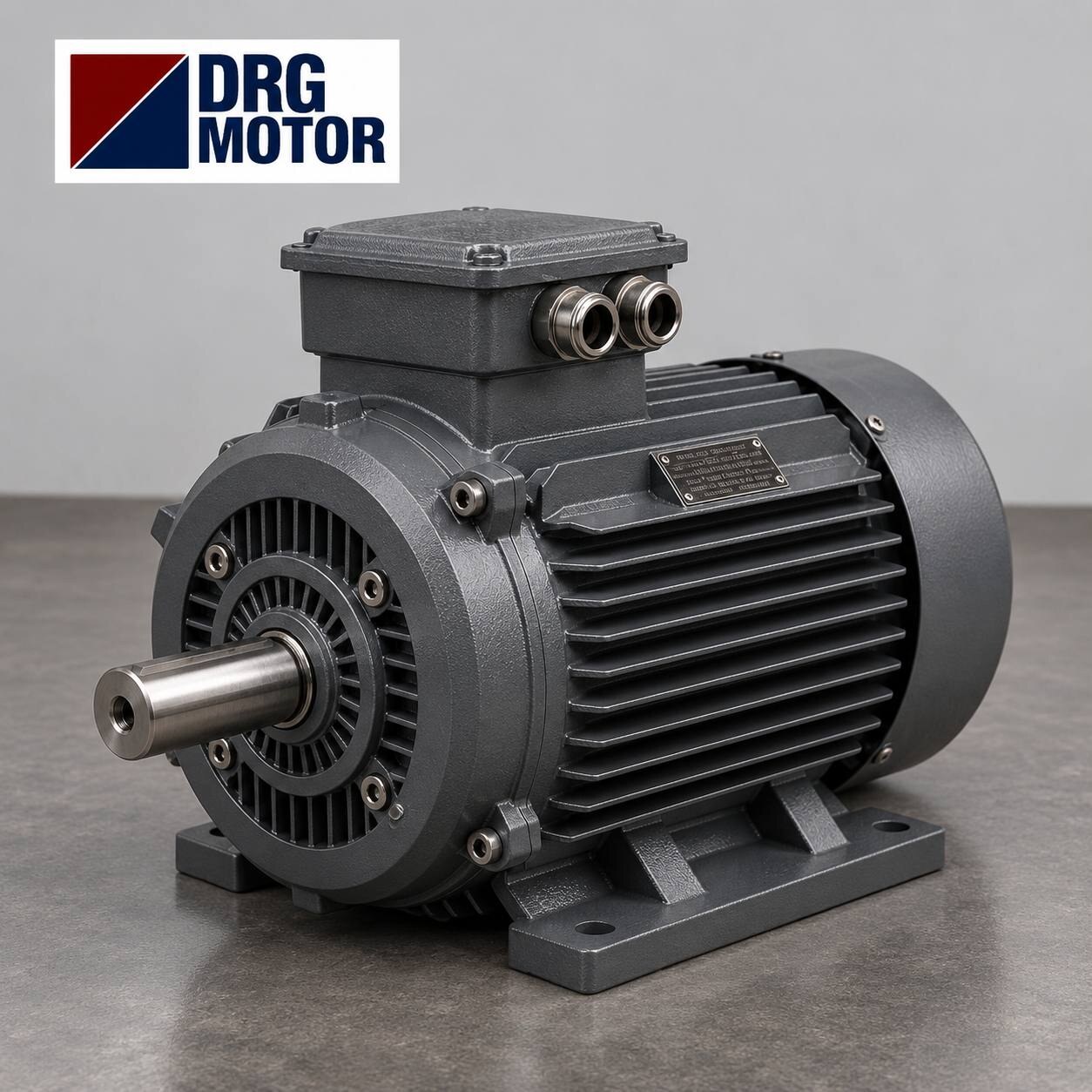

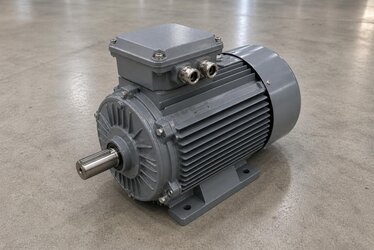
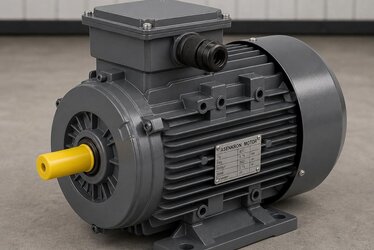
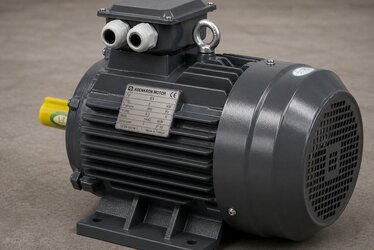
The IE3, IE4 and IE5 classes mark three consecutive steps in the efficiency design of induction motors. In next-generation machines, loss reduction comes from higher-grade silicon steel laminations, optimised slot geometry and lower-resistance windings. DRG Motor offers all three classes within the same IEC frame sizes, keeping them compatible with existing installations.
The Difference Between IE3, IE4 and IE5
IEC 60034-30-1 defines the efficiency classes: IE3 Premium, IE4 Super Premium, IE5 Ultra Premium. Each step cuts rated-load losses by roughly one fifth compared with the class below, at the same power and speed. On a 4-pole 7.5 kW motor running continuously, moving from IE3 to IE4 produces a clearly measurable energy saving over a full year.
Which Class Suits Which Application
A standby pump that runs a few hours a day is well served by IE3, while fans, compressors and conveyor drives in S1 continuous duty recover the higher initial cost of IE4 or IE5 quickly. The longer the annual running hours, the more pronounced the cumulative electricity saving of the higher class becomes.
Mechanical and Thermal Features
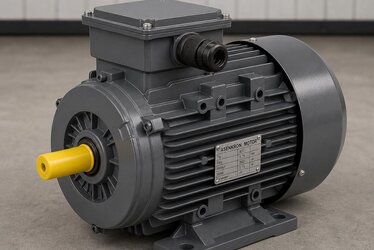
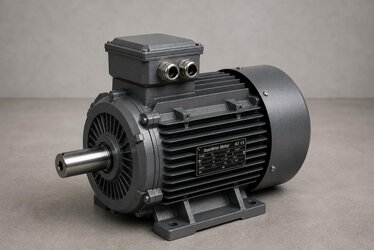
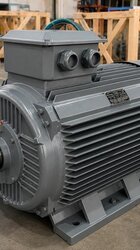
DRG next-generation motors are built for 400 V / 50 Hz supply with IP55 protection and Class F insulation. The cast iron housing dissipates the lower heat of a high-efficiency winding through its external ribs, extending bearing and insulation life. Foot-mounted B3, flange-mounted B5 and face-mounted B14 options let the motor bolt directly onto an existing machine.
Choosing the Right Efficiency Class
Class selection should reflect annual operating hours and load profile, not just the nameplate figure. DRG Motor supplies IE3, IE4 and IE5 motors from 0.55 to 355 kW from its İzmir manufacturing plant; we can plan pole count, mounting type and efficiency class together to match your application.