 English
 Le français
 Türkçe
What Is the Role of a Gearbox in an Electric Motor?
An electric motor typically runs at a high speed such as 1500 or 3000 rpm depending on the mains frequency, yet conveyors, mixers and hoisting drives need exactly the opposite: low... More Details

An electric motor typically runs at a high speed such as 1500 or 3000 rpm depending on the mains frequency, yet conveyors, mixers and hoisting drives need exactly the opposite: low... More Details
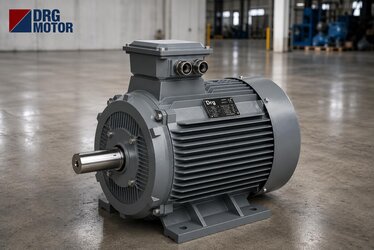
When a conveyor line stops, the whole production flow behind it usually stops with it. Belt handling systems place several demands on a drive at the same time: a high breakaway tor... More Details
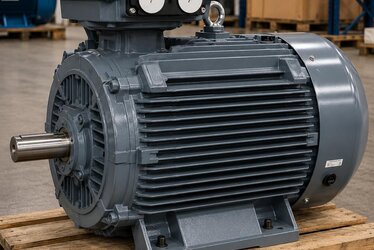
Crushers and stone crushing plants present some of the harshest operating conditions an industrial motor will ever face. The instant a hard rock enters a jaw or impact crusher, a s... More Details
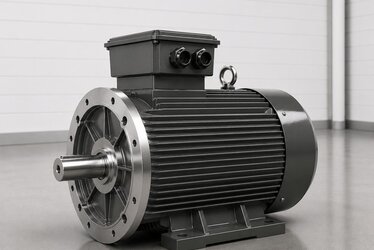
In a milling plant, the heart of the operation is the drive system that delivers power to the stone, grain, or ore. This is exactly where choosing the right mill motor stops being ... More Details
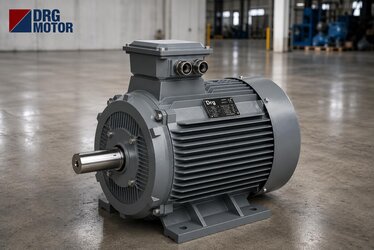
In crushing and grinding lines, the motor is the single most critical component that keeps production alive. A line that breaks down hard rock, ore or building material demands a d... More Details
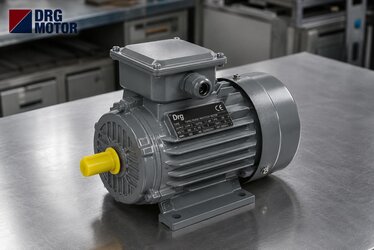
The real productivity of a recycling plant is measured by how quickly and continuously incoming material can be broken down and moved. Sudden shock loads on the crusher shaft, conv... More Details
In grain and flour production, milling lines run around the clock. Roller mills, sifters, aspirators and screw conveyors turn for hours under continuous load. The driving power at ... More Details