 English
 Le français
 Türkçe

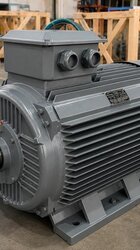
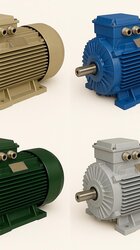
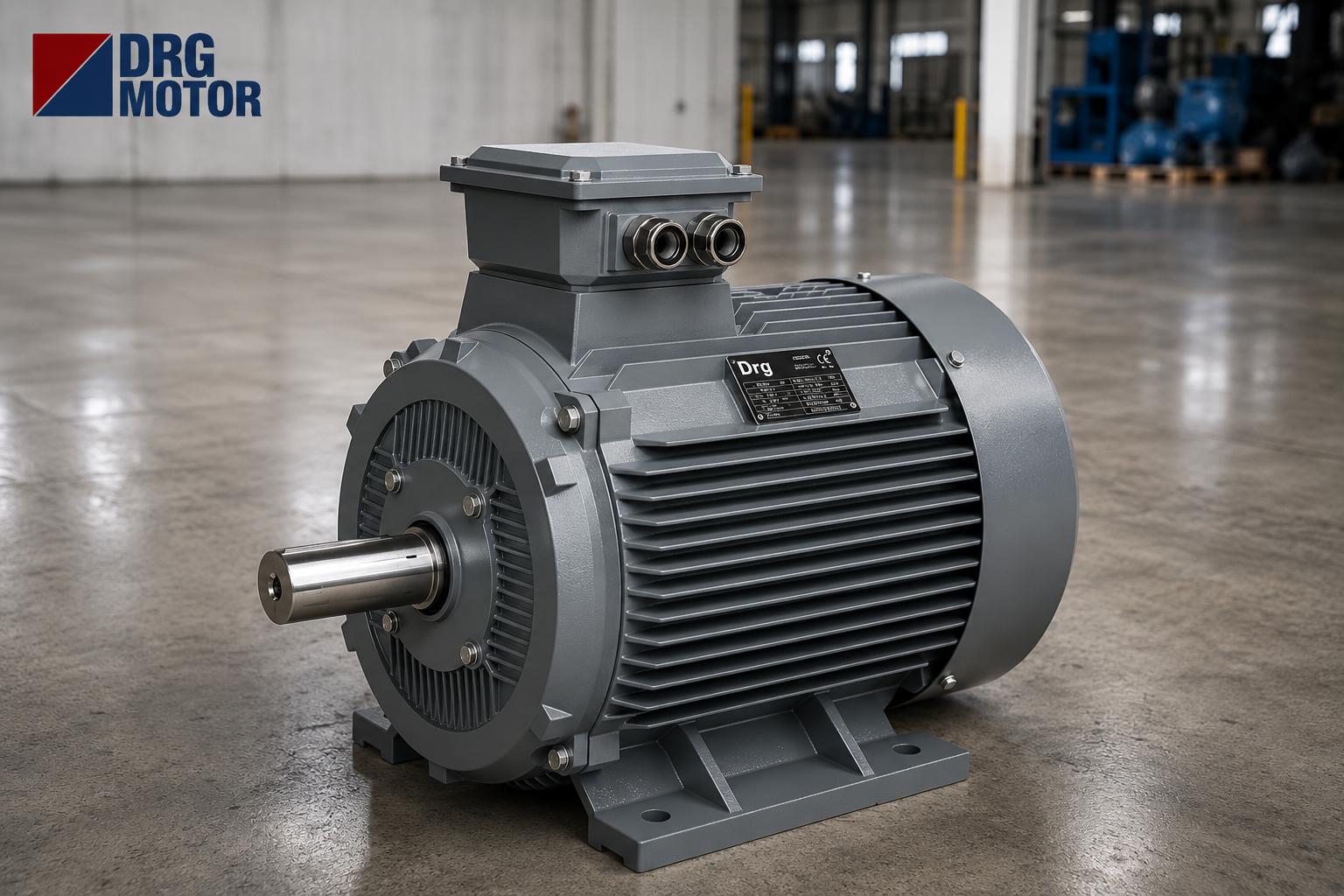

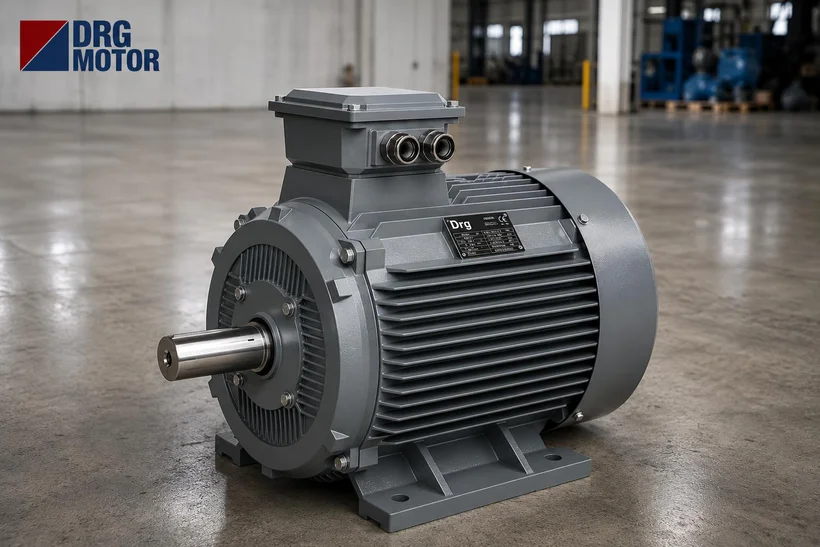
When a conveyor line stops, the whole production flow behind it usually stops with it. Belt handling systems place several demands on a drive at the same time: a high breakaway torque the moment a fully loaded belt has to move again, uninterrupted rotation throughout the shift, and durability against dust, vibration and temperature swings. Choosing a conveyor motor is therefore not a matter of reading a nameplate power figure and picking the closest match. If the starting behaviour, speed range and gearbox pairing are not set up correctly, the motor runs hot, the protection relay trips and unplanned stops eat into your output targets. At DRG Motor we step in here as a supplier: we provide high-torque 4 and 6 pole motors suited to conveyor and belt applications from stock and through fast-sourcing channels, and we support you with technical comparison during selection.
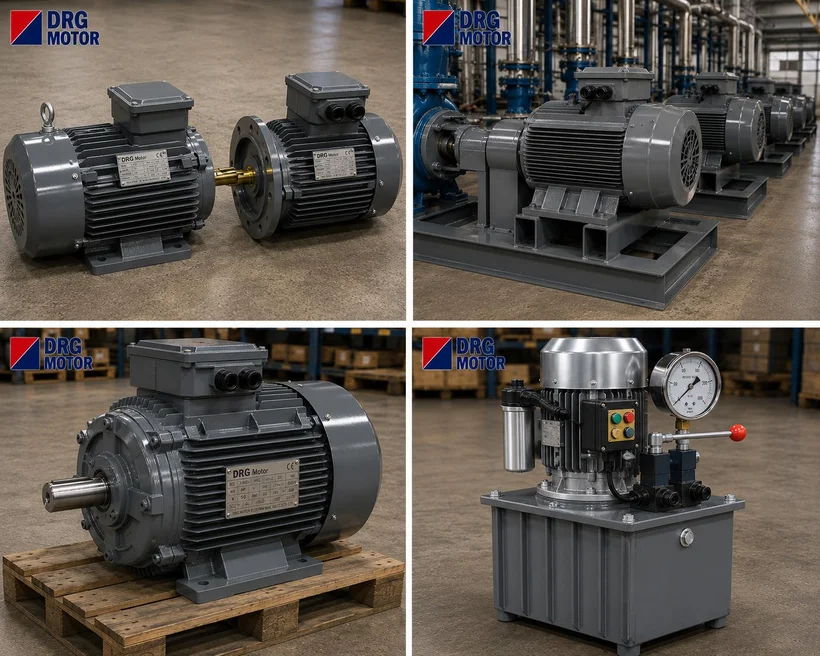
Why Breakaway Torque Decides the Outcome
The hardest moment for any belt handling system is restarting after the line has stopped while still loaded. The mass of material piled on the belt, the static friction of bearings that have come to rest and the tension in the belt all combine, so the motor has to produce a breakaway torque well above its rated value in the first instant. If the chosen motor has only a narrow torque reserve, the line struggles at start-up, the current climbs and the thermal protection cuts in to shut the motor down. This is why, in conveyor applications, the torque curve and starting behaviour matter far more than the headline power rating. High-torque industrial motors are built with winding and rotor designs that meet this peak demand during loaded belt starts, so the line moves off safely even when full of material, while sudden current surges stay within limits.
The Low-Speed Advantage of 4 and 6 Pole Motors
The number of poles directly sets the synchronous speed of an induction motor. Two-pole motors spin fast and suit applications such as pumps and fans that need high speed. Conveyor and belt systems want the opposite: high torque and a low, controlled speed. That is why belt handling lines mostly rely on 4 pole motors (around 1,500 rpm) and 6 pole motors (around 1,000 rpm). The lower speed sits closer to the slow belt speed you need at the gearbox output, keeps the gear ratio reasonable and reduces the strain on the mechanical transmission.
- 4 pole: A balanced torque-to-speed ratio for medium-speed belts, packaging and product handling lines.
- 6 pole: High torque and a soft start for heavy loads, bulk material and low-speed handling.
- Both options let you cut the number of gearbox stages, helping you build a more compact and efficient drive package.
Correct Gearbox Pairing: Our Responsibility on the Motor Side
In conveyor drives the motor usually works together with a gearbox; the gearbox lowers the speed and raises the torque to give the belt the slow, powerful movement it needs. We want to be clear here: DRG Motor does not sell gearboxes, we supply motors. Our role is to help you identify the motor that pairs correctly, in technical terms, with the gearbox you already have or plan to use. The gearbox input speed, the shaft diameter it accepts, the flange or foot mounting type (such as B5, B3, B14) and the input torque all influence the motor choice. If the wrong pole count or an incompatible mounting type is selected, the system will not reach the target belt speed and torque even if the gearbox itself works fine. When you source a motor from us, we review the mounting type, shaft size and required speed range together with you and recommend a motor configuration that matches your gearbox.
Designed for Continuous (S1) Duty
Many conveyor lines run without pause through the shift, and often around the clock. This requires a motor that can hold its thermal balance at full load under the S1 continuous duty regime. A motor that is only adequate for short start-stop cycles will overheat in continuous service and shorten the life of its winding insulation. The industrial motors we supply are suited to long, uninterrupted operation thanks to an appropriate insulation class (usually F class windings) and an efficient cooling design. For lines working in dusty, humid or particle-heavy environments we recommend enclosures with a higher protection rating (IP55 and above), which minimises the risk of dust and moisture entering the motor and lengthens maintenance intervals.
Heavy Loads and Demanding Environments
In sectors such as mining, aggregates, cement, recycling and heavy industry, conveyors contend with high tonnage, dust, vibration and temperature fluctuation at once. Under these conditions the strength of the motor frame, the choice of bearings and the thermal capacity become more critical than on an ordinary handling line. The sudden load increases on a heavily loaded belt raise the motor's instantaneous torque demand, so choosing a mechanically robust motor with a wide torque reserve directly improves line reliability. As a supplier, DRG reviews the frame and protection options in our portfolio that suit these tough applications and recommends the most appropriate one for your environment. For your general industrial handling needs you can explore our general-purpose industrial motors product group, and then request a quote based on your line's load profile.
Speed Control with a Variable Frequency Drive
Modern conveyor lines often need to change belt speed to match the production tempo. This is where running the motors together with a variable frequency drive comes in. Because 4 and 6 pole motors can maintain torque across a wide speed range, they suit variable-speed conveyor applications well. When selecting a motor to run with a drive, points such as ensuring adequate cooling at low speeds and winding insulation that can withstand drive-induced voltage spikes become important. During the supply process we ask whether you will run the motor from a drive or directly from the mains and recommend a motor specified accordingly, so that if you need speed control you build the right foundation from the start.
Energy Efficiency and Running Cost
Because conveyors usually run for long hours, the efficiency class of the motor feeds straight into your electricity bill. High-efficiency motors (IE3 and above) do the same work with lower energy consumption, which adds up to meaningful savings over time on continuously running lines. Selecting a motor with high breakaway torque without sacrificing efficiency is possible once the correct pole count and the correct power class are pinned down; an oversized motor raises both the initial investment and the efficiency loss at part load. When you ask us to supply a motor, we base our recommendation on the line's real load profile, so the power class fits the need exactly, neither short nor excessive, delivering reliable starting and low running cost at once.
Mounting Type, Shaft Size and Mechanical Fit
A conveyor motor that fits the line cleanly depends on mechanical compatibility as much as on its electrical characteristics. Whether the motor is mounted foot-mounted (B3), flange-mounted (B5, B14) or with a combined arrangement; the shaft diameter and length; the keyway dimension and the frame size all have to match the gearbox, coupling or direct-drive setup on the line exactly. A wrong flange bore or an incompatible shaft size leads to lost time during installation in the field and to extra adapter costs. When you share the connection dimensions of your existing line, or the technical drawing of a new installation, during the supply stage, we recommend the motor with the correct frame and mounting type, so that it drops into place without further machining once it reaches the site. We also take details such as horizontal or vertical mounting position, lubrication and bearing type into account, and specify a build suited to the direction and axial load conditions on your belt.
Ease of Maintenance and Continuity of Spare Supply
On a continuously running conveyor line, motor maintenance and fast spare sourcing when needed are inseparable parts of overall operational reliability. Choosing motors with common frame sizes and standard mounting types makes finding spares and carrying out replacements far easier later on. As a supplier, DRG Motor prioritises standard and widely available configurations, so that even if a motor on your line fails you can quickly source an identical or equivalent unit and cut unplanned downtime. We help you build a supply plan around your line's long-term continuity needs rather than a single motor; this approach particularly simplifies stock and spare management in facilities where several conveyors run in parallel.
The Right Step Toward Sourcing Your Conveyor Motor
When you select a motor for a conveyor or belt handling system, breakaway torque, pole count, gearbox compatibility, duty regime and environmental conditions are all interlinked decisions. Getting them right keeps your line turning for years without unplanned stops. DRG Motor stands beside you in this process not with a manufacturer's claim but as an experienced supplier: we assess your line's load and speed profile together with you and identify the 4 or 6 pole high-torque option that fits your gearbox and your environment. Share your motor requirement and technical details for your conveyor line with us, and get in touch with DRG Motor for a quote covering the suitable options and supply terms.