 English
 Le français
 Türkçe

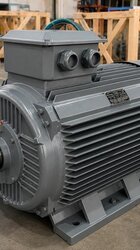
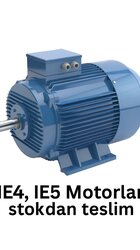

An electric motor typically runs at a high speed such as 1500 or 3000 rpm depending on the mains frequency, yet conveyors, mixers and hoisting drives need exactly the opposite: low speed and high torque. A gearbox sits between the motor and the load, reducing the rotational speed and raising the output torque in proportion to its ratio, turning the motor's rotation into usable mechanical work.
How a Gearbox Reduces Speed
The gear ratio between the stages inside the reducer sets the difference between input and output speed. A motor turning at 1500 rpm coupled to a 1:30 reduction gearbox delivers roughly 50 rpm at the output shaft. As the speed drops by that ratio, the output torque rises by the same factor, allowing a modest motor to drive a load that demands considerable force.
Balancing Torque and Speed
With shaft power held constant, power equals torque multiplied by speed. The lower the speed, the higher the torque drawn from the same power. This is why a gearbox lets the motor meet a drive's torque demand without changing its rated output. Choosing the correct ratio means weighing the load resistance, the breakaway torque and the continuous duty regime together.
Gearbox Types and Mounting
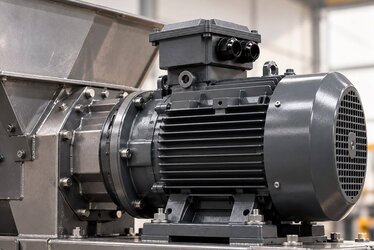
Helical, worm, planetary and bevel gearboxes each offer a different balance of torque capacity and efficiency. The unit bolts directly to the motor through a flange (B5) or foot (B3) mounting, and worm types can turn the output shaft through 90 degrees. Gearbox efficiency, heat rise and service factor must not be overlooked, as they directly affect how hard the motor is loaded.
Matching the Right Motor and Gearbox
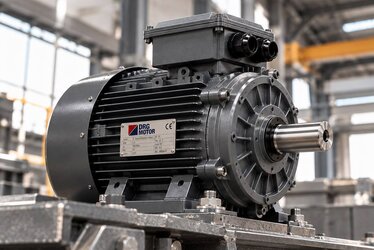
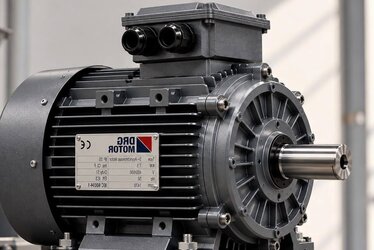
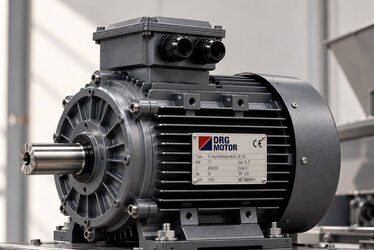
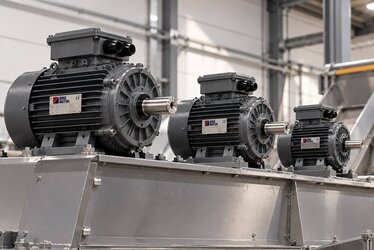
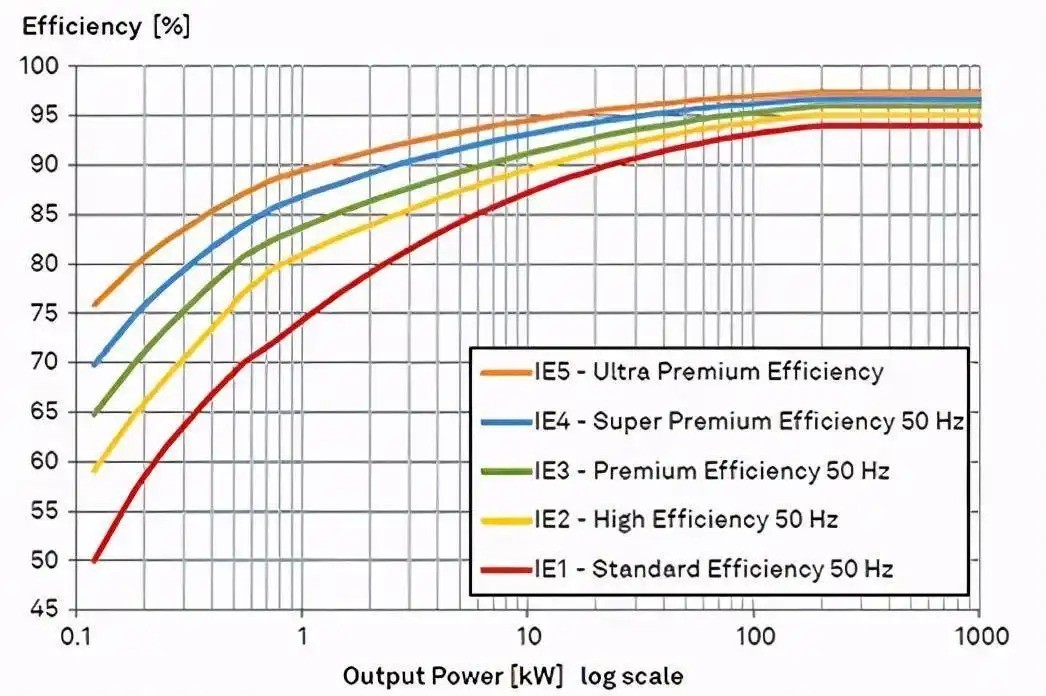
DRG Motor pairs its 0.55–355 kW three-phase asynchronous motors in IE3, IE4 and IE5 efficiency classes with geared drive systems, supplied from İzmir. For conveyor, mixer, stone-crushing and lifting duties, our engineers help you size the motor power and the reduction ratio together according to the output speed and torque you actually need.