 English
 Le français
 Türkçe
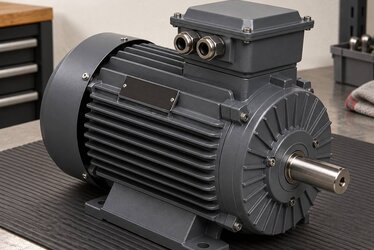
DRG Motor IE4 Super Premium Efficiency Motor
The DRG Motor IE4 range consists of three-phase induction motors that meet the Super Premium efficiency class under the IEC 60034-30-1 standard. This range is built to lower energy... More Details

The DRG Motor IE4 range consists of three-phase induction motors that meet the Super Premium efficiency class under the IEC 60034-30-1 standard. This range is built to lower energy... More Details
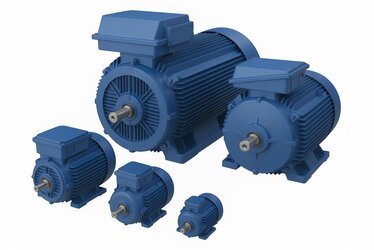
High kW, high-efficiency electric motors are designed for power plants, heavy machinery and large production lines that seek both output and savings. These motors combine high powe... More Details
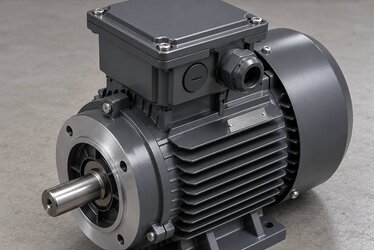
Every business has different power, speed and operating conditions, so no single motor type meets all needs. DRG Motor ships a broad range of high-efficiency motors spanning differ... More Details
An affordable high-efficiency IE3 electric motor sits at a balanced point between purchase cost and energy savings. The IE3 Premium efficiency class is defined in the IEC 60034-30-... More Details
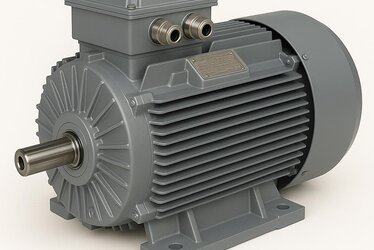
In IE3 electric motors, high efficiency and long life are two features that support each other. A motor that runs efficiently heats up less, which lets its mechanical components la... More Details
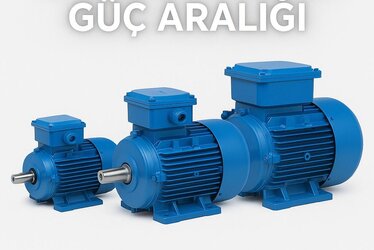
IE5 Ultra Premium is the highest efficiency class defined by the IEC 60034-30-1 standard, describing motors in which losses are reduced to a minimum. In continuously running plants... More Details
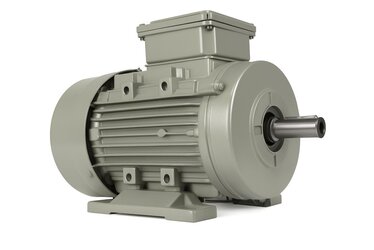
ULTRA-EFFICIENT ASYNCHRONOUS ELECTRIC MOTOR are asynchronous (induction) motors, the most widely used motor type in industry. Since they contain no wearing parts such as brushes or... More Details
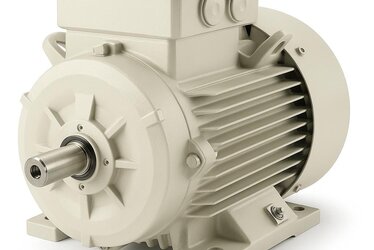
As industrial energy costs climb, a motor's efficiency class has become a quiet but decisive line in the operating budget. DRG Motor's high-efficiency range is built to IEC 60034-3... More Details
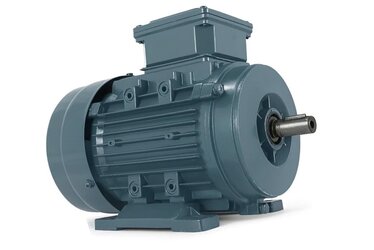
High Efficiency Standard IE3 Electric Motors Contact: +90 (542) 666 11 11 Today, energy savings and environmental sensitivity have become primary requirements in industrial ele... More Details
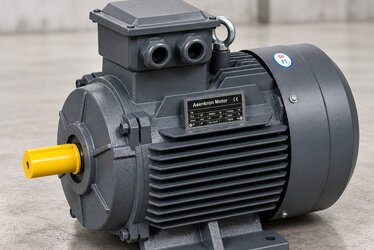
IE3 and IE4 are the Premium and Super Premium efficiency classes of IEC 60034-30-1, and they define how few losses a motor runs with. The choice between these two classes usually c... More Details
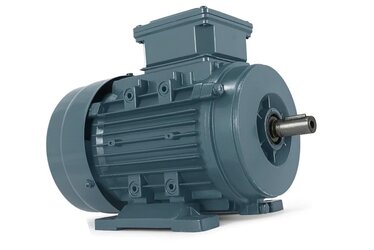
A long-life IE4 electric motor describes the three-phase asynchronous motors built to the Super Premium efficiency class of IEC 60034-30-1, standing out for both the lowest losses ... More Details
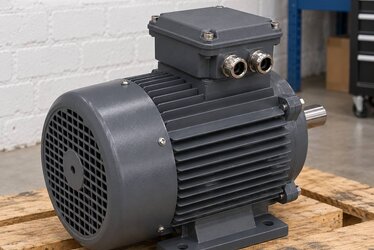
IE4 electric motors represent the Super Premium efficiency class under IEC 60034-30-1 and run with markedly lower losses than lower-class motors of the same power. To understand IE... More Details
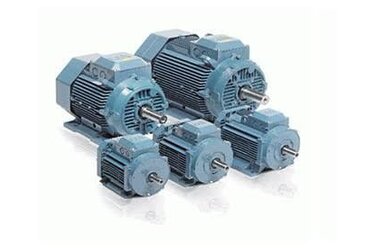
Three-phase motors rated at 7.5 kW are one of the most common power figures on small and medium production lines. This power class sits at a balanced point between a compact frame ... More Details
Top-Performing Electric Motors For Compressor SystemsContact: +90 (542) 666 11 11Compressor systems generate high-pressure energy by compressing air or gases and are widely used in... More Details
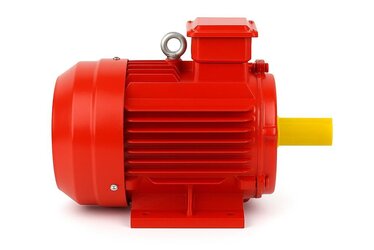
Industrial motors are the unseen workforce of a production line, driving pumps, conveyors, compressors, crushers and fans. Because they account for the bulk of a plant's electricit... More Details
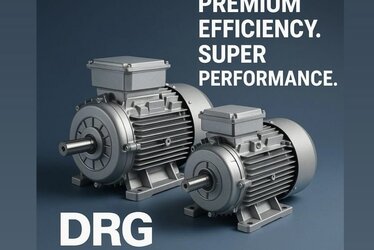
IE5 carries the label Ultra Premium Efficiency, the top rung of IEC 60034-30-1. Where a line turns for thousands of hours annually, what the plate says about class sets both the me... More Details
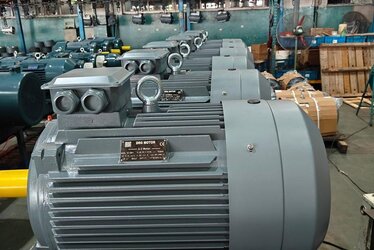
High efficiency and durability are often treated as separate motor qualities, yet both flow from the same design decisions. The quality materials that cut losses also run the motor... More Details
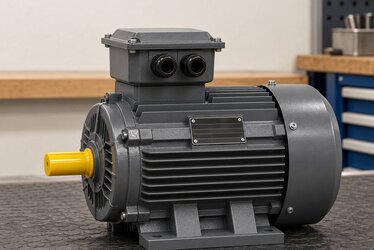
The DRG IE3 motor difference comes down to one principle: doing the same work with less energy. By reducing its losses compared with IE1 and IE2, an IE3 Premium motor delivers a la... More Details
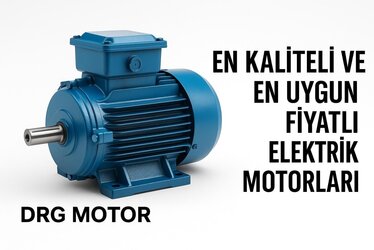
Long-Lasting Next-Generation Electric Motors Contact: +90 (542) 666 11 11 In today’s industrial world, electric motors have become an indispensable part of production processes a... More Details
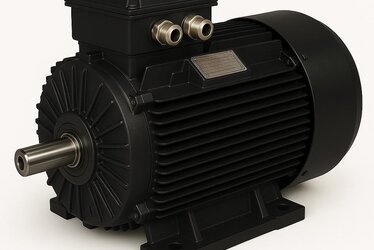
IE3 Efficient Electric Motors Contact: +90 (542) 666 11 11 An efficiency class is quoted at full load, and almost no drive in a plant runs there all day. The part-load behaviour ... More Details