 English
 Le français
 Türkçe

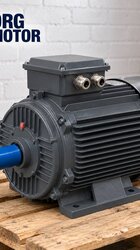
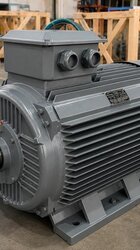
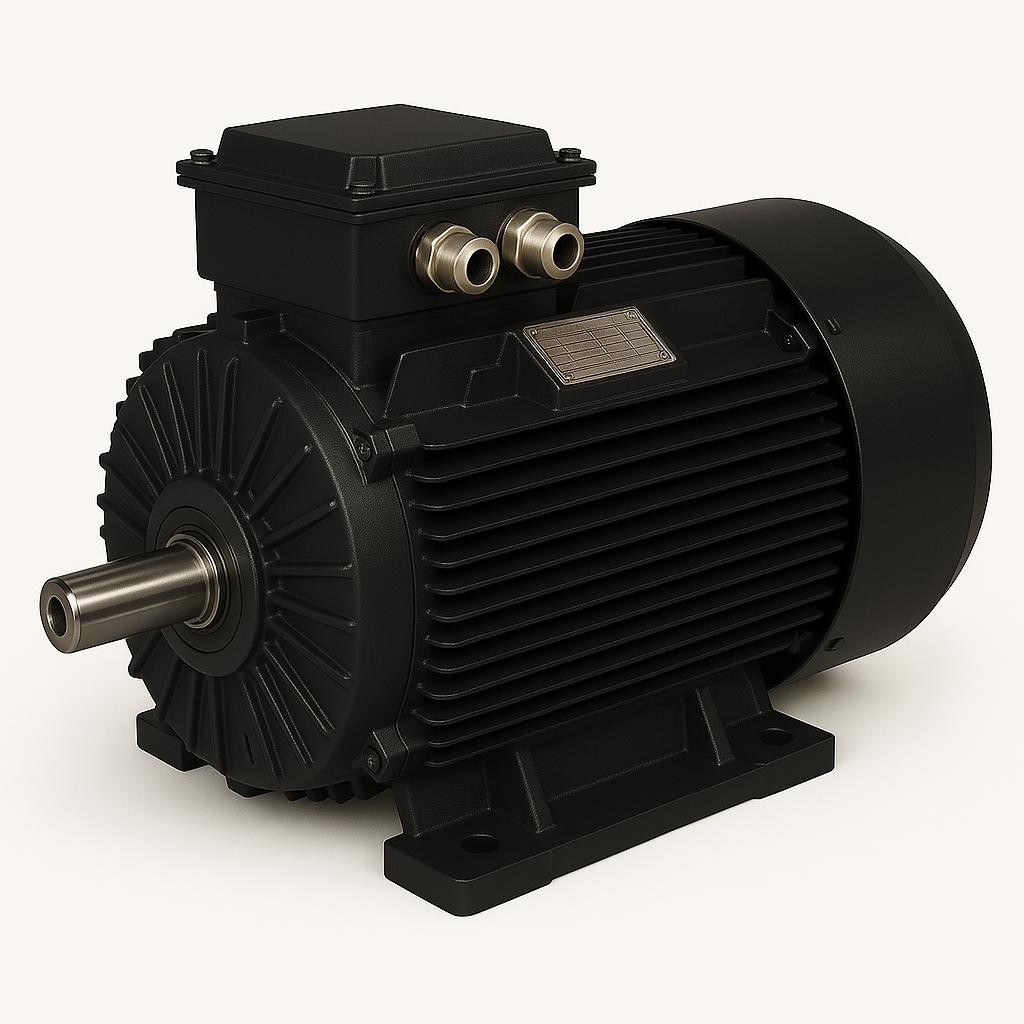

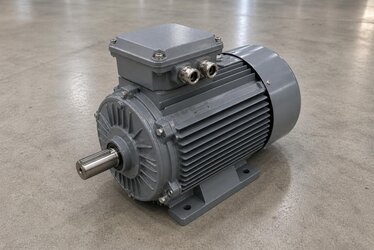
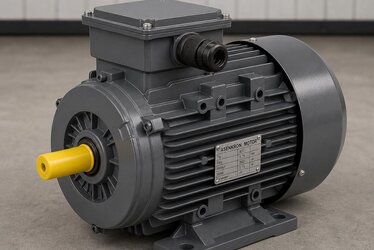
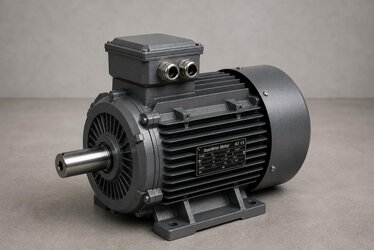
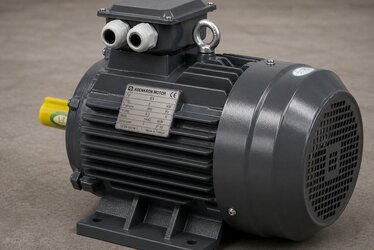
IE3 Efficient Electric Motors
Contact: +90 (542) 666 11 11
An efficiency class is quoted at full load, and almost no drive in a plant runs there all day. The part-load behaviour of these electric motors is what actually reaches the bill: an IE3 machine holds most of its rated efficiency down to around three quarters of load and then falls away, and a motor ordered two sizes too large lives permanently in that falling region.
Load Ratio, Not Only the Class
Where the curve is flat
Between roughly half load and full load the efficiency of a modern IE3 machine changes little, so a drive whose duty swings inside that band can be specified on the class alone.
Where it collapses
Below about a quarter of rated load the losses stop scaling with the work done and the efficiency drops steeply. A 15 kW motor doing 1.5 kW of work is not an IE3 motor in practice, whatever the plate says.
Why oversizing happens twice
The margin is usually added twice over: once by the machine builder and once again by the plant when the motor is ordered. Measuring the current the old motor actually drew, instead of reading its rating, removes one of the two.
What to measure first
A clamp meter on the existing motor across a full production cycle gives the load ratio, and the load ratio decides both the new rating and whether a class upgrade will pay. It is a morning's work and it changes the order.
Plan the retro-fit before replacing an older motor
-
Log the running current and the duty cycle before the old motor comes out
-
Set the new rating from the measured load, not from the old nameplate
-
Check shaft height, shaft diameter and flange against the existing base
-
Confirm the starter, cable and thermal setting suit the new rated current
-
Record first-week temperature and vibration as the reference for later
Done in that order a retro-fit ends with a motor sized to the work and a baseline to compare against. Done in the other order it ends with a bigger motor and no way to prove the saving.
Keeping the Efficiency After Commissioning
Efficiency that nobody measures drifts. Winding and bearing temperature, vibration level and drawn current logged monthly reveal a blocked cooling path or a failing bearing while it is still cheap, and they supply the number that proves the retro-fit worked. Cooling ribs cleared of dust, correct coupling alignment and a periodic insulation-resistance reading keep the machine on the curve it was bought for.
Send the measured load, the yearly hours and the existing mounting and we size the IE3 replacement against the work the drive really does — 0.55 to 355 kW at 400 V / 50 Hz, IP55 and Class F as standard.