 English
 Le français
 Türkçe

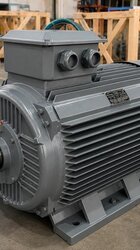
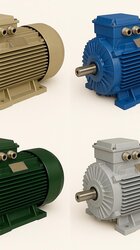
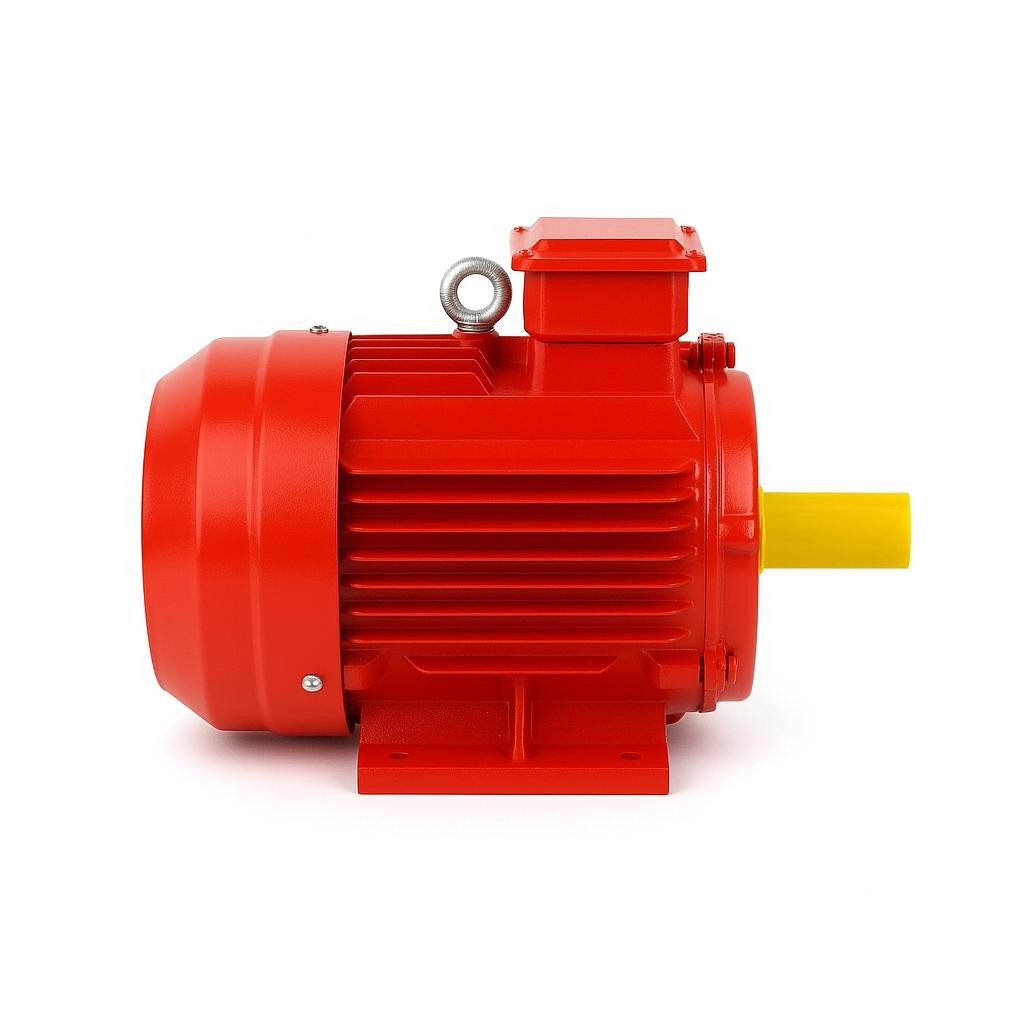

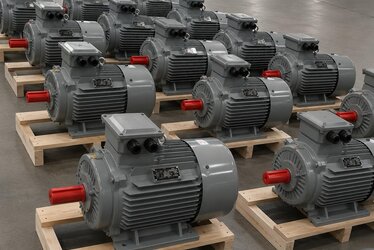
Industrial motors are the unseen workforce of a production line, driving pumps, conveyors, compressors, crushers and fans. Because they account for the bulk of a plant's electricity use, choosing an efficient motor has a direct effect on operating costs.
What Does Efficiency Really Mean?
Motor efficiency shows how much of the electrical power drawn is delivered to the shaft as mechanical power. The rest is lost as heat, friction and magnetic losses. The IEC 60034-30-1 standard rates this performance from IE1 Standard up to IE5 Ultra Premium; the higher the class, the lower the losses.
Savings in Continuous Duty
A pump or fan motor in an S1 continuous-duty regime runs thousands of hours a year. At such loads, using an IE4 motor instead of an IE2 turns a seemingly small efficiency gap into a substantial annual kWh saving. The payback period shortens as running hours rise.
Design Factors Behind Efficiency
In a quality motor, a low-loss silicon-steel lamination stack, an optimised winding and low-friction bearings raise efficiency. Class F insulation and IP55 protection let the motor hold its rated efficiency over the long term despite temperature and ambient conditions.
Choosing the Right Efficient Motor
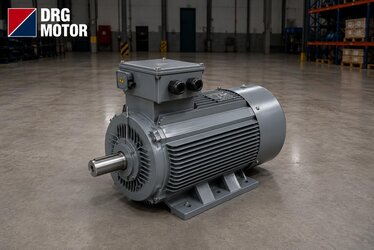
İzmir-based supplier DRG Motor offers IE3, IE4 and IE5 motors from 0.55 to 355 kW. Share the power, speed and running hours of the load in your plant, and we will weigh the energy saving and payback period together to recommend the best fit.