English
 Le français
 Türkçe




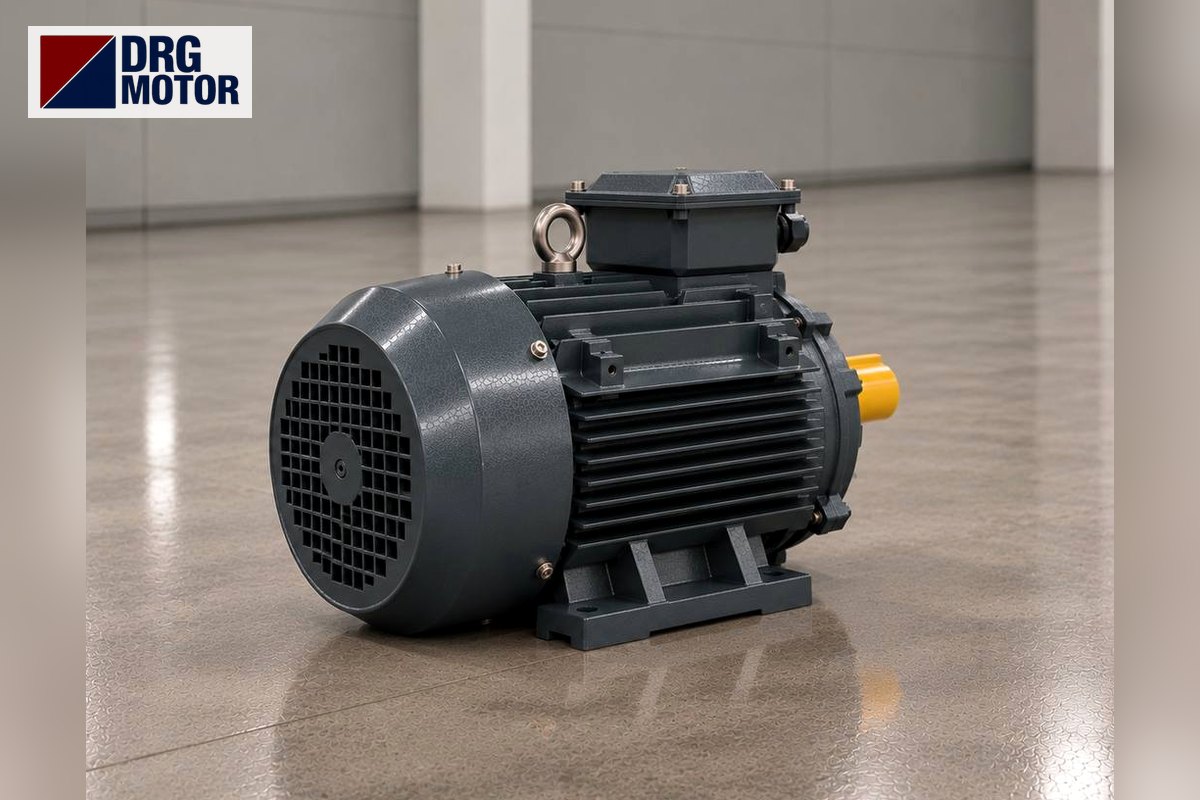

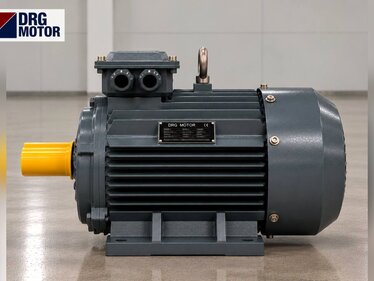
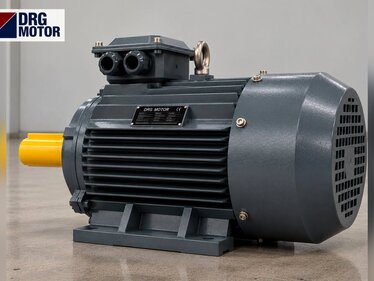
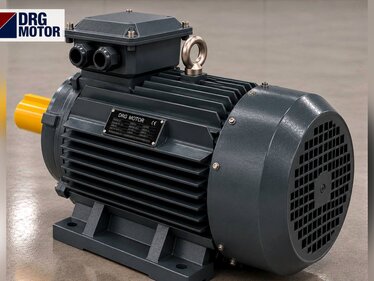
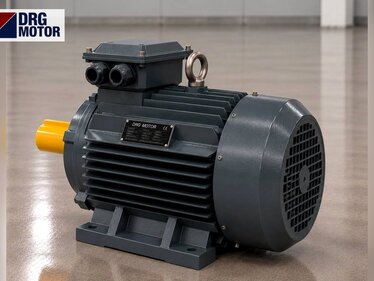
In cold room evaporator and condenser fans, the element that turns the fan blade is an electric motor, and these fans are usually driven by standard three-phase asynchronous motors. Low power, a 400 V three-phase supply and IP55 protection are the typical expectations of cooling-fan applications, and DRG's standard three-phase asynchronous motor range meets these needs.
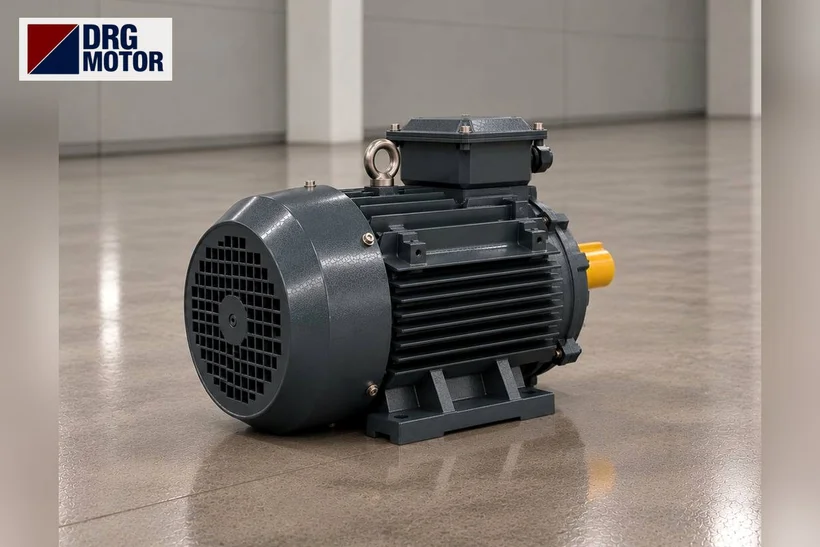
DRG Motor is a manufacturer, supplier and seller of electric motors. You can review the small-power three-phase models suited to cooling fans by power and speed in the online motor shop, and see all of these motors together in the three-phase asynchronous electric motors category.
Which motor is used in cold room fans?
A cold room has two separate fan groups. The evaporator (indoor unit) fans circulate the cold air inside the room so the products stay at an even temperature everywhere. The condenser (outdoor unit) fans work on the warm side, pushing air across the condenser to reject the heat outside. In both groups the part doing the work, turning the fan blade, is a three-phase asynchronous motor.
External-rotor dedicated cooling-fan motors are a separate product family and are not part of DRG's standard range. Many evaporator and condenser coils, however, are driven by standard-frame three-phase asynchronous motors, either belt-and-pulley or directly coupled. Here the choice is about matching power and speed to the fan, having a protection class that suits the environment, and a connection that matches the supply.
Low-temperature operation and bearing lubrication
The first thing that sets cooling-fan motors apart is ambient temperature. On the evaporator side the motor runs in air that can fall below zero. The main concern here is the bearing grease: it must suit the operating temperature range so it does not stiffen in the cold and increase friction. Stating the lower temperature limit of your application helps clarify the correct grease and bearing choice.
The second point is the heat the motor itself produces. As it drives the fan load the motor warms up a little, and this heat is balanced by the air around the frame. Since rated values are usually given for a 40 °C ambient, an application running permanently at a very different temperature must be assessed for that environment. Determine the exact limit according to the motor nameplate and the application documentation.
Humidity, condensation and IP55 protection
In cold, humid environments, condensation is unavoidable as the temperature changes. Moisture that gets inside the motor directly affects winding and bearing life. DRG standard three-phase asynchronous motors are IP55 rated, which means a dust-protected design that withstands water jets from any direction — a suitable basis for damp fan environments.
If the risk of condensation on the winding grows in a motor that stands idle for long periods in a humid place, measures such as keeping the motor dry while stopped come into play; if you have such a need, it is best to consult us so it can be assessed for your application. The mounting position also matters: placing the drain holes facing downward helps any water collecting inside to drain out.
Click to see current electric motor prices and order nowSEE PRICES →
DRG low-power three-phase models for cooling fans
Evaporator and condenser fans usually run at small power steps. The table below shows the power, rated current at 400 V and rated torque of DRG 4-pole (about 1500 rpm) aluminium and cast iron models; the model codes link straight to the product page. All of them are 230/400 V (Δ/Y) and IP55.
| Model | Power | Rated current (400 V) | Rated torque |
|---|---|---|---|
| DRG-711-4 (aluminium) | 0.25 kW | 0.66 A | 1.78 Nm |
| DRG-712-4 (aluminium) | 0.37 kW | 0.92 A | 2.64 Nm |
| DRG-801-4 (aluminium) | 0.55 kW | 1.31 A | 3.75 Nm |
| DRG-802-4 (aluminium) | 0.75 kW | 1.75 A | 5.04 Nm |
| DRG-90S-4 (aluminium) | 1.1 kW | 2.48 A | 7.27 Nm |
| DRG-801-4 (cast iron) | 0.55 kW | 1.31 A | 3.75 Nm |
The torque values can also be seen from the approximation T = 9550 · P / n: as power rises at the same speed, torque rises too. Because the power a fan demands depends on blade diameter and speed, when replacing an existing motor it is safest to base your choice on the power and speed on its nameplate.
Evaporator or condenser? Speed and pole choice
With fan motors the key figure is often speed rather than power, because the fan's air flow and the noise it makes depend on speed. The same power is offered with different pole numbers:
- 4 poles (about 1500 rpm): the most common speed class in cooling fans; balanced air flow and a reasonable noise level.
- 6 poles (about 1000 rpm): lower speed, quieter running; preferred on slow, large-blade fans.
- 2 poles (about 3000 rpm): high speed; used less often in cooling fans.
To pick the right speed class, base it on the speed on the fan's or the existing motor's nameplate. To compare the required power and current you can use the electric motor calculator and the motor current chart tools.
Frame material and 230/400 V connection
Both aluminium and cast iron frames can be used in cooling-fan applications; the electrical values are the same in both. An aluminium frame is lighter and makes handling and mounting easier in suspended indoor-unit installations. A cast iron frame offers a more rugged structure and can be preferred on outdoor-unit condenser groups where vibration may be higher. The choice is about finding what best fits the need.
The models are wound for 230/400 V (Δ/Y): on a 400 V three-phase mains the motor is connected in star (Y), and on a 230 V three-phase supply in delta (Δ). The nameplate states which connection matches which voltage. To size the cable you can use the motor cable size calculator tool.
Mounting and electrical safety
Before any connection or replacement work, switch off the power, verify that it is de-energised, and have the work done only by qualified electrical personnel. Set values such as the thermal protection current according to the rated current on the motor nameplate, not from memory. On a motor placed in a cold environment, check the position of the drain holes, the sealing of the cable glands and that the terminal box stays covered.
Send a photo of your current motor nameplate and we will find the suitable DRG model together.Send on WhatsApp
Once we have identified the right model together, you can compare all power and speed options and current prices through the shop.
See small-power three-phase asynchronous motor models suited to cooling fans and current prices in the shopSEE PRICES
Frequently asked questions
Can a normal three-phase motor be used in a cold room fan?
Many evaporator and condenser coils are driven by standard three-phase asynchronous motors. What matters is matching power and speed to the fan, a protection class (IP55) that suits the environment, and a bearing grease chosen for the operating temperature. External-rotor dedicated fan motors are a separate product family.
How many kW is an evaporator fan motor?
Cold room fans usually run at small power steps, mostly between 0.25 and 1.1 kW. The exact value depends on the fan's blade diameter and speed; if you are replacing an existing motor, base it on the power on the nameplate.
Does the motor freeze at low temperature?
The motor warms up from the heat it produces when running; the real concern is that the bearing grease must not stiffen in the cold. That is why stating the lower temperature limit of your application is important for clarifying the right grease and bearing choice.
Which frame should I choose?
Aluminium is practical in suspended indoor-unit mounting because it is light; cast iron is a rugged choice on outdoor-unit condenser groups where vibration may be higher. Both frames give the same electrical values.
Electric Motors Related to This Topic — Models and Current Prices
Suitability is not decided by power alone: compare the speed, voltage, mounting, shaft and fixing dimensions of your machine with the product data; if unsure, send us the nameplate of your current motor.
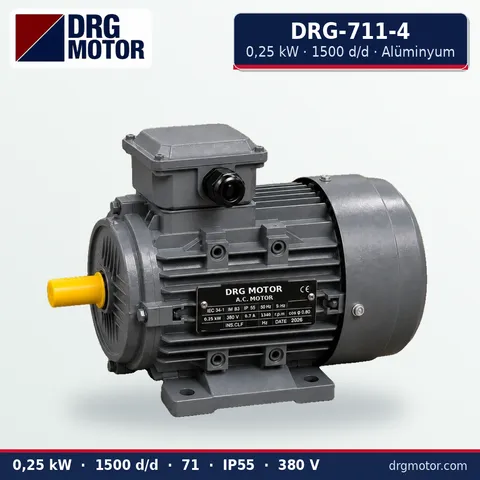
0.25 kW Three-Phase Motor 1500 rpm – DRG-711-4 Aluminium
- 0.25 kW · 1500 rpm (4 poles)
- Aluminium frame · IEC 71
- Shaft: 14 × 30 mm
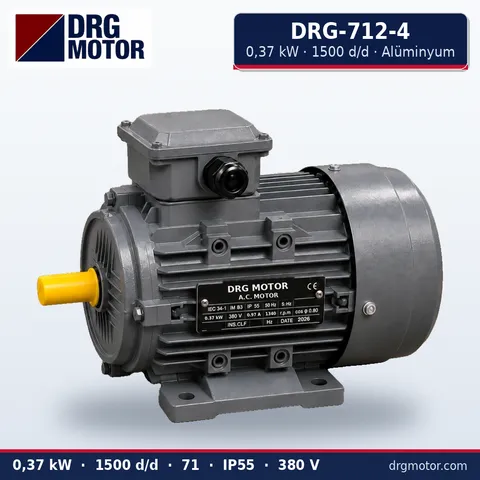
0.37 kW Three-Phase Motor 1500 rpm – DRG-712-4 Aluminium
- 0.37 kW · 1500 rpm (4 poles)
- Aluminium frame · IEC 71
- Shaft: 14 × 30 mm
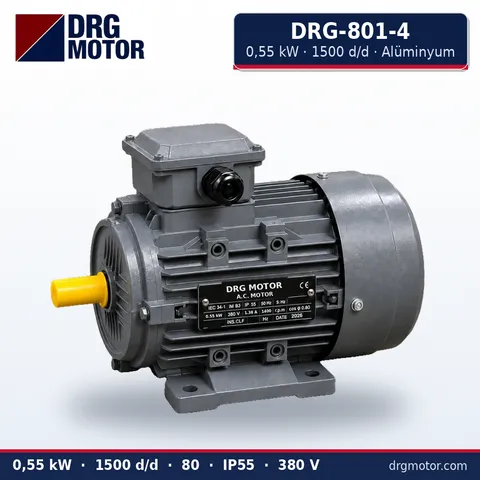
0.55 kW Three-Phase Motor 1500 rpm – DRG-801-4 Aluminium
- 0.55 kW · 1500 rpm (4 poles)
- Aluminium frame · IEC 80
- Shaft: 19 × 40 mm
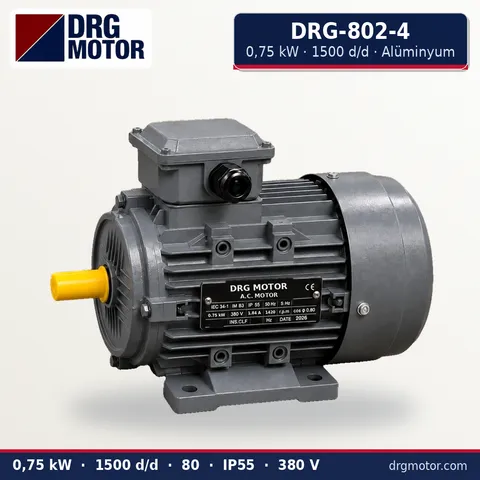
0.75 kW Three-Phase Motor 1500 rpm – DRG-802-4 Aluminium
- 0.75 kW · 1500 rpm (4 poles)
- Aluminium frame · IEC 80
- Shaft: 19 × 40 mm
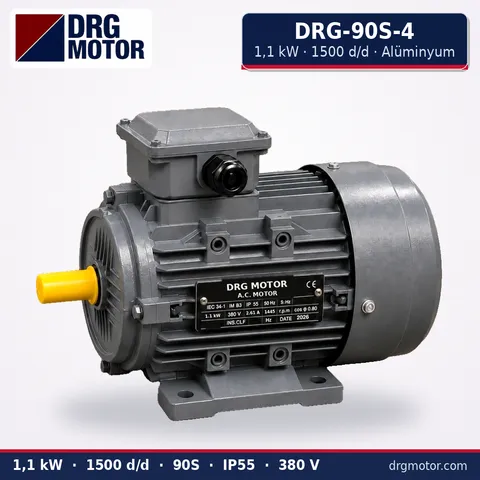
1.1 kW Three-Phase Motor 1500 rpm – DRG-90S-4 Aluminium
- 1.1 kW · 1500 rpm (4 poles)
- Aluminium frame · IEC 90S
- Shaft: 24 × 50 mm
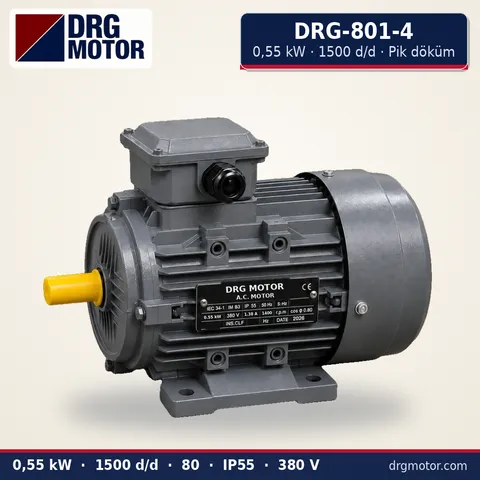
0.55 kW Three-Phase Motor 1500 rpm – DRG-801-4 Cast Iron
- 0.55 kW · 1500 rpm (4 poles)
- Cast iron frame · IEC 80
- Shaft: 19 × 40 mm