 English
 Le français
 Türkçe

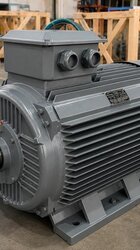
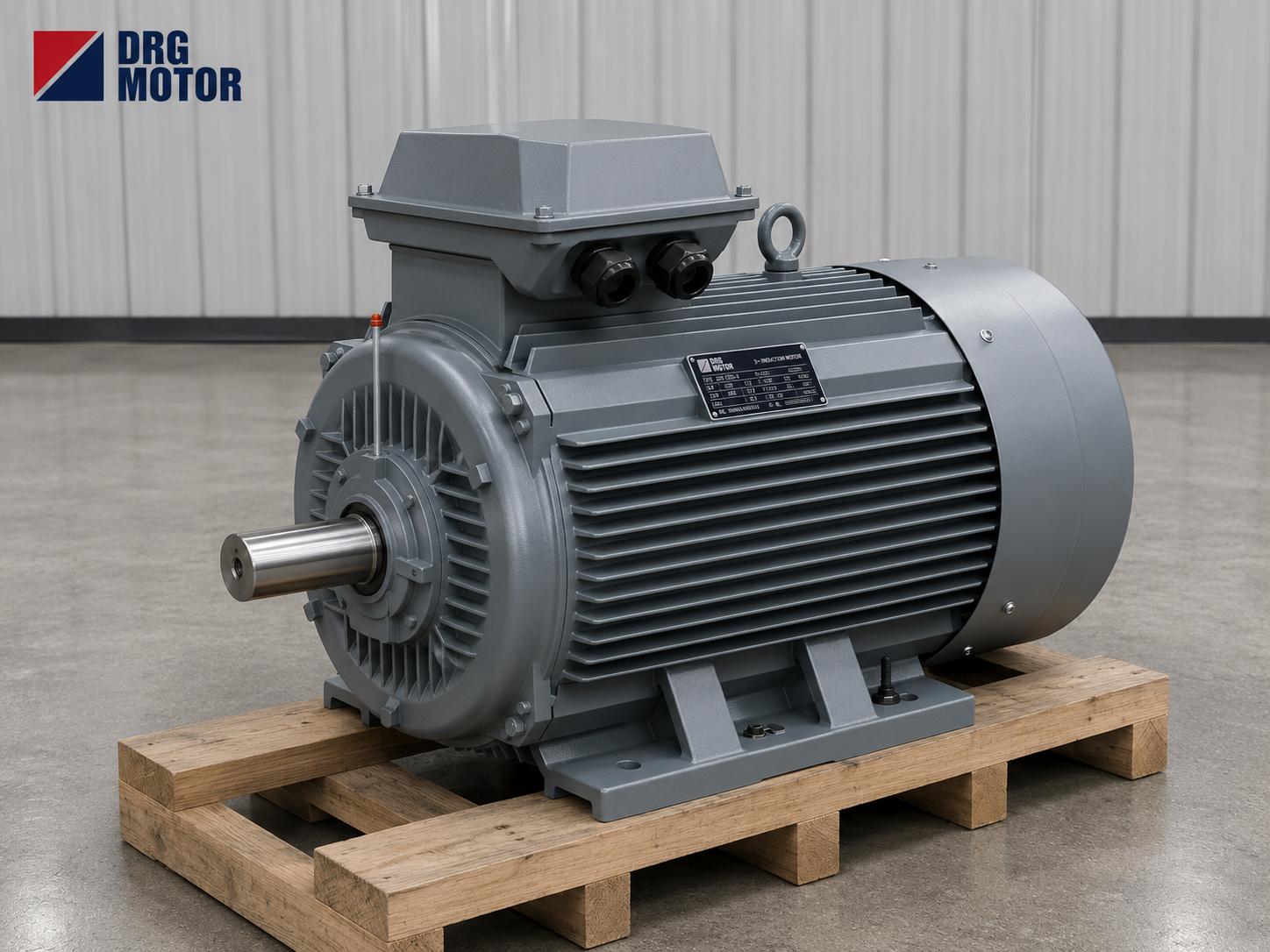

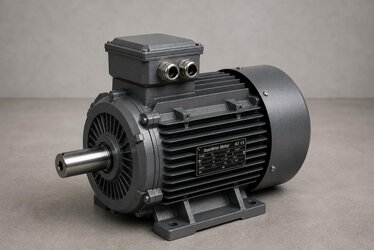
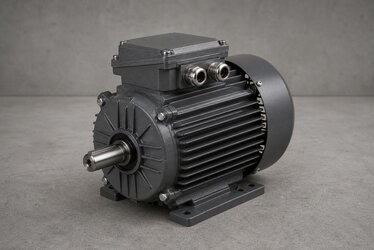
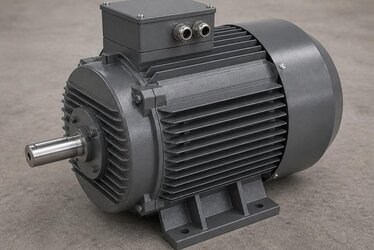
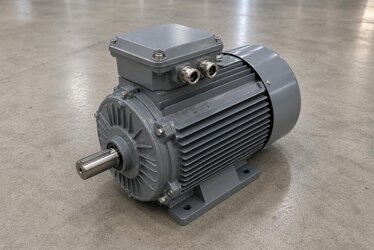
When a plant starts looking at a 7.5 kW 1500 RPM motor, the question is rarely about power alone; this motor represents a remarkably useful class that sits right in the middle of countless mid-sized machines, neither too small nor too large. Equivalent to roughly 10 horsepower, with a synchronous speed of 1500 RPM (around 1440-1465 RPM under load), it forms the backbone of a huge range of industrial applications. Matched to the right machine it runs trouble-free for years; chosen wrongly it inflates both the energy bill and the maintenance burden. In this article we look concretely at which machines a 7.5 kW 1500 RPM motor suits and how to source it from a dependable supplier.
Why This Power and Speed Class Is So Common
The 7.5 kW 1500 RPM motor has effectively become a standard crossover point in industry. It occupies the sweet spot where smaller powers fall short and larger ones bring needless cost and energy consumption. The 1500 RPM figure comes from a 4-pole design, and that speed, when paired with a gearbox, delivers a wide torque-speed window. Many machine builders scale their designs around this exact power-speed combination, which is precisely why it is also one of the easiest classes to find and the fastest to source when you need a replacement. Because stock availability is high, it becomes a natural choice for businesses that want to keep downtime to a minimum.
Use in Pump and Booster Systems
One of the most intensive uses of the 7.5 kW 1500 RPM motor is in water and liquid transfer pumps. Medium-flow centrifugal pumps, booster systems in multi-storey buildings, irrigation lines and wastewater stations frequently call for this power class. The 1500 RPM speed lets pump impellers produce a balanced pressure-flow curve; while higher speeds increase the risk of cavitation and wear, this speed range is compatible with most centrifugal pumps. On continuously running pump lines, a high efficiency class has a direct impact on the annual energy cost, which is why choosing an IE3 or higher efficiency class for pump applications delivers substantial savings over the long run.
Its Role in Conveyors and Material Handling
Belt conveyors, chain conveyors and elevators that move material through production plants regularly use the 7.5 kW 1500 RPM motor together with a gearbox. This combination converts the high speed into the low speed and high torque the machine actually needs. For a medium-capacity conveyor line this power class usually strikes the ideal balance: strong enough to move the load comfortably, yet measured enough not to waste energy. In conveyor applications the duty cycle is decisive (S1 continuous or frequent start-stop); on lines that switch on often, a high starting torque and a suitable protection class become important.
Fan, Extractor and Ventilation Applications
Industrial fans, hood extractors, drying systems and dust-collection units are another natural home for the 7.5 kW 1500 RPM motor. In these air-moving systems, 1500 RPM works well with most radial and axial fan blades, either directly or through a belt-and-pulley arrangement. The point to watch here is that a fan's moment of inertia can be high, and the motor must be able to overcome that load at startup. A correctly selected motor runs the ventilation system both quietly and efficiently; the wrong choice shows up as noise, vibration and premature bearing wear.
Use in Machinery Manufacturing and Machine Tools
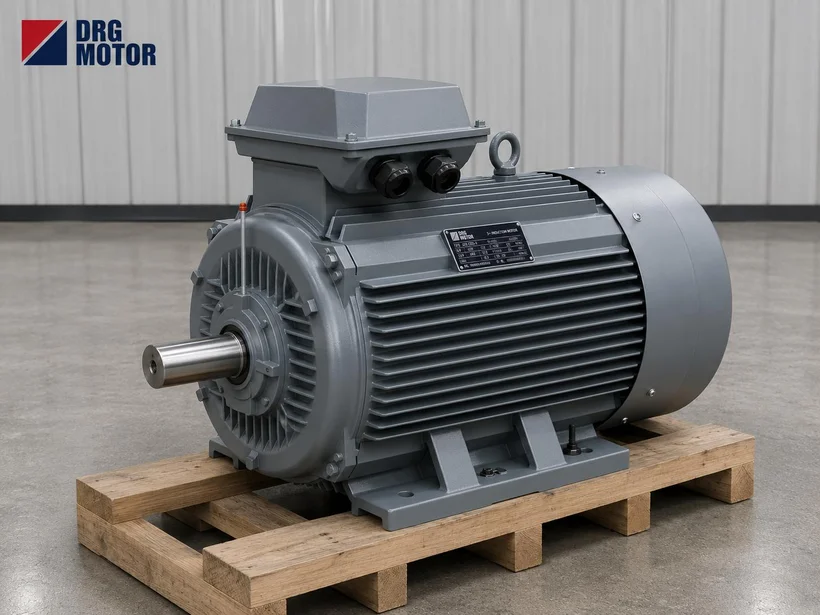
Machine tools, hydraulic power units, mixers, compressors and various process machines are all fed by the 7.5 kW 1500 RPM motor. In hydraulic units it drives the pump and holds the system pressure steady; in mixers, paired with a gearbox, it blends dense materials evenly. Because this motor is built to standard IEC frame dimensions (typically a 132 frame), it means easy mounting and ready spare availability for machine builders. This power class is also the natural starting point for stepping up when the demand grows; by the same logic, projects needing more power can be planned under the same supply roof alongside an option such as the 5.5 kw trifaze motor.
Questions to Ask When Choosing the Right Motor
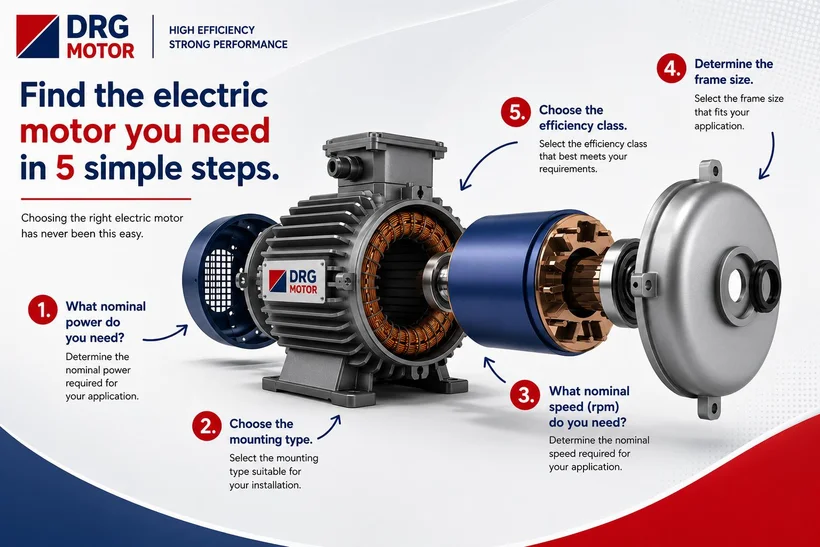
Selecting the right 7.5 kW 1500 RPM motor is about far more than reading the power and speed figures. The nature of the application is the real factor that determines the motor's life and efficiency. Clearing up a handful of basic questions before the quotation stage prevents a wrong purchase from the outset.
The first thing to weigh is how this 7.5 kW motor will carry its load through the day: will it spin uninterrupted for hours as it does on a pump, or switch on and off dozens of times like the conveyor on a packaging line? That distinction shapes both how the windings heat up and how much starting torque you should expect. Tied to this is how the motor couples to the machine, which is just as decisive; some machine tools join this 132-frame motor straight to a pump shaft through a coupling, a fan impeller is usually driven by a belt and pulley, while a high-torque mixer wants a gearbox sitting in between. On the energy side, once you picture how much electricity a 7.5 kW motor turning steadily at 1500 RPM will draw over the years, choosing the IE3 efficiency class soon repays the few percentage points of difference it adds at the start. Finally, the environment the motor breathes in must not be overlooked: the fine dust around a grain elevator, the constant damp at a wastewater station or the explosion risk in chemical processes can call for a frame, protection and coating that go beyond standard IP55.
The answers to these questions make clear which frame and efficiency class to choose. A correctly configured motor returns far more than its initial investment.
How the Efficiency Class Affects the Energy Bill
On a 7.5 kW motor that runs eight hours a day for most of the year, the few percentage points of difference between efficiency classes quickly turn into a saving, or a loss, that exceeds the purchase price of the motor over the year. An IE3 motor produces a noticeable saving over the years compared with an equivalent older IE1 unit. That is why the buying decision should look not at the sticker price alone but at the total cost of ownership. A high-efficiency motor runs cooler, lasts longer and extends maintenance intervals. In continuously running pump and fan applications, that difference pays for itself many times over within a few years.
Adapting for Heavy Industry and Specialist Sectors
While a standard 7.5 kW 1500 RPM motor meets most general applications, some sectors demand special frames and protection solutions. In humid and corrosive environments such as marine, port equipment and shipbuilding, products with special coatings and a high protection class are preferred over a standard motor. For projects near the sea or in heavily salt-laden air, for example, corrosion-resistant solutions geared to tersane motoru needs significantly extend the motor's life in these demanding conditions. The right supplier anticipates these special adaptations at the quotation stage and recommends a product suited to non-standard requirements.
Where and How to Source It
Buying a 7.5 kW 1500 RPM motor from a trustworthy source is the first condition for a long machine life. With products of unknown origin, parallel imports or relabelled nameplates, the efficiency and insulation values often fail to match the label, and in the event of a fault there is no valid warranty or responsible party to turn to. Bought from a B2B supplier, the motor is delivered with its invoice, warranty certificate and test report, and spare parts and technical support remain accessible when needed. The most common solution for this power class, three-phase asynchronous motors, are products with high stock availability and fast lead times, which is a decisive advantage for businesses looking to minimise downtime.
The Factors That Set the Price
The price of a 7.5 kW 1500 RPM motor cannot be expressed as a single figure, because several factors together determine the final cost. Efficiency class (IE2, IE3), mounting type, protection class, brand, housing material and the requested lead time all influence the price directly. A high-efficiency, specially protected motor carries a higher starting cost than a standard model, yet that difference is recovered over time through energy savings and longer life. For this reason, rather than a flat price, the soundest approach is to obtain a quotation prepared specifically for your application. A correctly configured quote serves both your budget and your operational need at the same time.
Let Us Shape the Right Quote for Your Need
Matched to the right machine, the 7.5 kW 1500 RPM motor becomes one of the most dependable components in your plant. Across a wide field of use, from pumps to conveyors, fans to hydraulic units, the deciding factor in this motor class is choosing the configuration best suited to the application. At DRG Motor we listen to your duty cycle, mounting needs and ambient conditions, then price the right motor for you with a clear delivery time. To source the 7.5 kW 1500 RPM motor your machine needs on the best terms, send us your requirement; we will prepare a quote tailored to your application quickly and help secure the uninterrupted flow of your production together.