 English
 Le français
 Türkçe

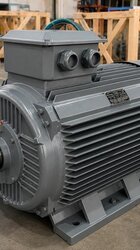
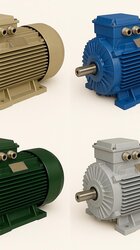
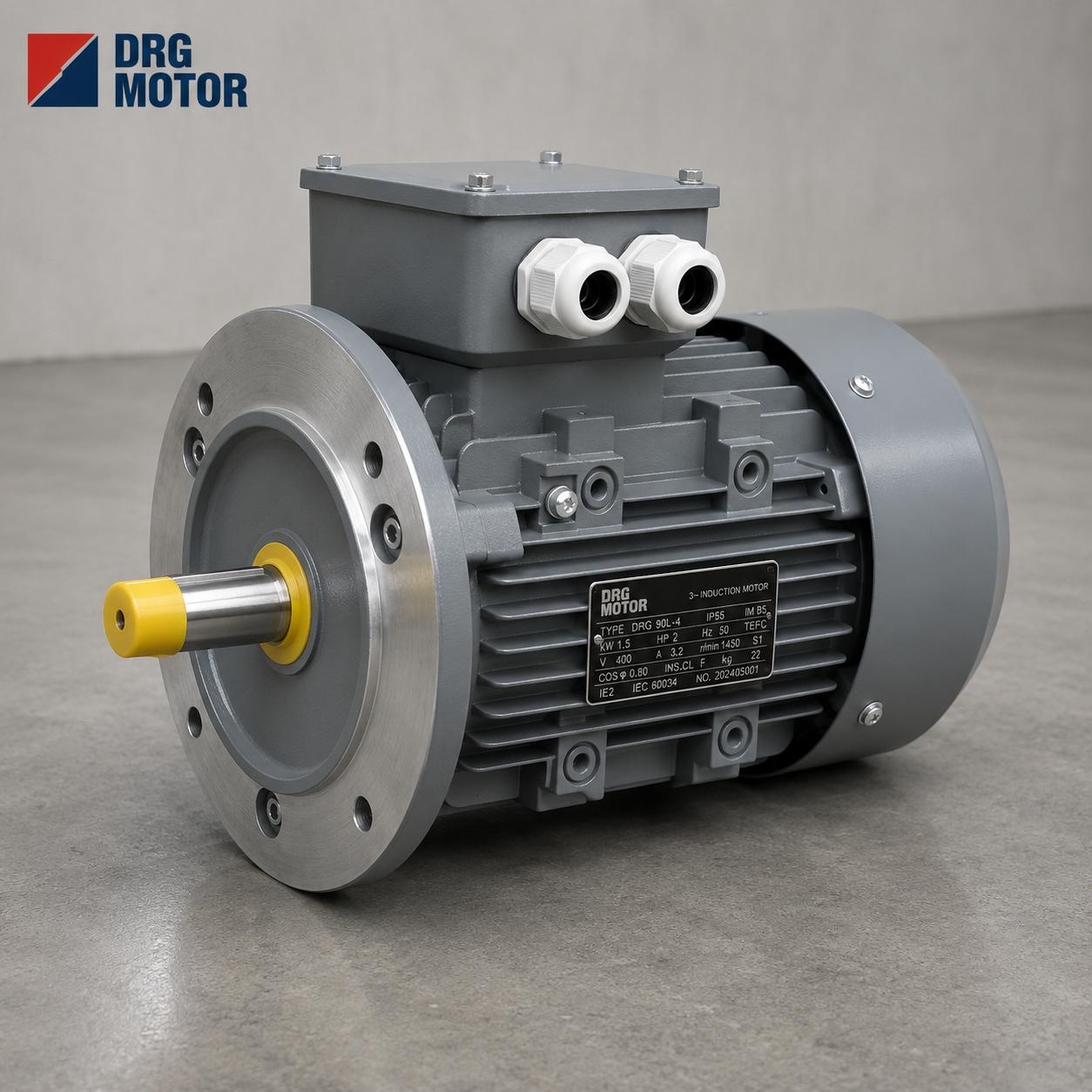

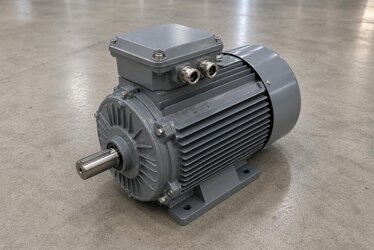
In any plant, a 5.5 kW motor is often the unsung component: it drives the pump, spins the fan, moves the conveyor, yet rarely gets mentioned by name. Specified correctly, it runs for years without complaint; specified poorly, it can halt an entire line. That is precisely why rushed decisions around 5.5 kW three-phase motor sourcing tend to come back as costly downtime. In this article we explain where this power class is used, which technical details must be clarified at the quoting stage, and how the right supplier gets you to a fast, accurate price.
Where the 5.5 kW Class Earns Its Keep
Corresponding to roughly 7.5 horsepower, this band sits squarely in the mid-range of industrial demand. It is large enough to handle a serious mechanical load, yet small enough to be fed comfortably from a standard panel setup. That balance is exactly why it shows up across so many different sectors.
- Medium-flow water transfer with centrifugal and submersible pumps
- Air curtains, extractors and large axial fans
- Drive units on belt conveyors and packaging lines
- Main drive for compressors and hydraulic power units
- Agitators, mixers and process tank equipment
As you can see, a single power figure serves wildly different operating conditions. That alone means the choice can never be made by looking at the kilowatt rating in isolation.
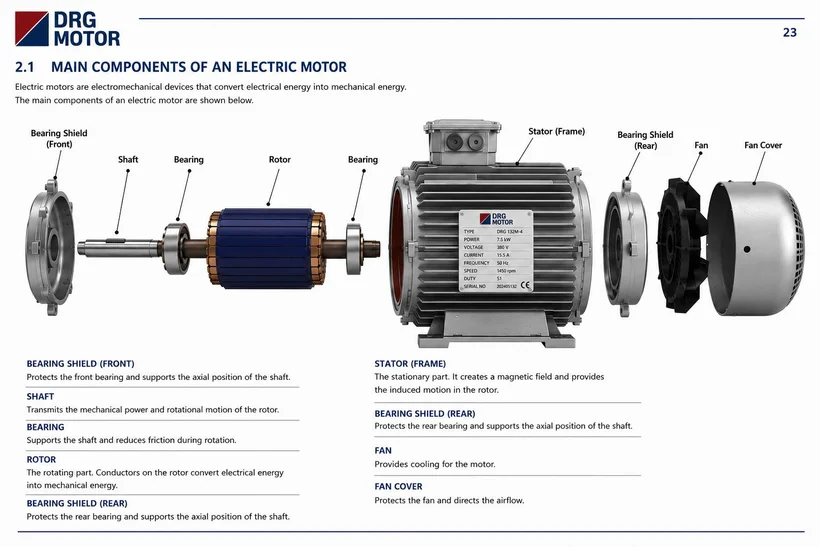
What Must Be Clarified Before We Quote
When a customer simply says "I need a 5.5 kW motor," we always ask a few questions before giving a price, because there are dozens of configurations at the same rating and the wrong variant creates surprises on installation day. Speed comes first: 2-pole (~2900 rpm), 4-pole (~1450 rpm) and 6-pole (~960 rpm) versions deliver the same power with completely different torque and application profiles. A pump usually wants 2 or 4 poles, while a conveyor most often calls for 4 or 6.
The mounting arrangement matters just as much. Foot-mounted (B3), flange-mounted (B5/B14) or combined frames determine how the motor seats onto the machine. Beyond that, the IP protection class, insulation class (typically F), voltage and frequency, and ambient temperature all feed directly into the quote. If the motor will run on a variable frequency drive, stating that up front avoids compatibility issues later. The vast majority of standard industrial needs are covered by our three-phase asynchronous motors range, which usually means fast delivery from stock.
Efficiency Class Drives the Bill
For a continuously running 5.5 kW motor, electricity consumption becomes a line item far bigger than the purchase price. A motor turning 16 hours a day can rack up annual energy costs several times its sticker value. That is why choosing between IE2, IE3 and IE4 efficiency classes is not just a technical question but a serious financial one.
A high-efficiency model may carry a slightly higher upfront cost, yet on non-stop lines it typically pays for itself within one or two years. At the quoting stage we ask about daily running hours and tell you plainly which efficiency class is economical for your case. The goal is never the cheapest tag, but the lowest total cost of ownership.
Efficiency also has an invisible side: heat. A more efficient motor does the same work with fewer losses, so it runs cooler, which extends bearing life and widens maintenance intervals. For motors working in hot environments or inside closed panels, that difference heads off unexpected failures. The efficiency choice therefore reaches your electricity bill, the motor's overall service life and how often it stops. We factor that long-term picture into every quote.
Expectations Shift by Sector
The same 5.5 kW motor calls for different features depending on where it works. In marine and port environments, for instance, a housing that withstands salty, humid air and a high IP rating are essential; we detailed this in our earlier article on supplying a tersane motoru. In production areas where hygiene comes first, washable, stainless or specially coated surfaces become the priority; we shared how those sensitivities are handled when selecting a gıda sektörü motoru in a separate piece.
In dusty areas, zones with explosion risk, or plants running at high temperatures, a standard motor simply will not do. In such cases Ex-proof, high-IP or special winding options come into play. Sharing your ambient conditions before we quote lets us recommend the right product from the very start.
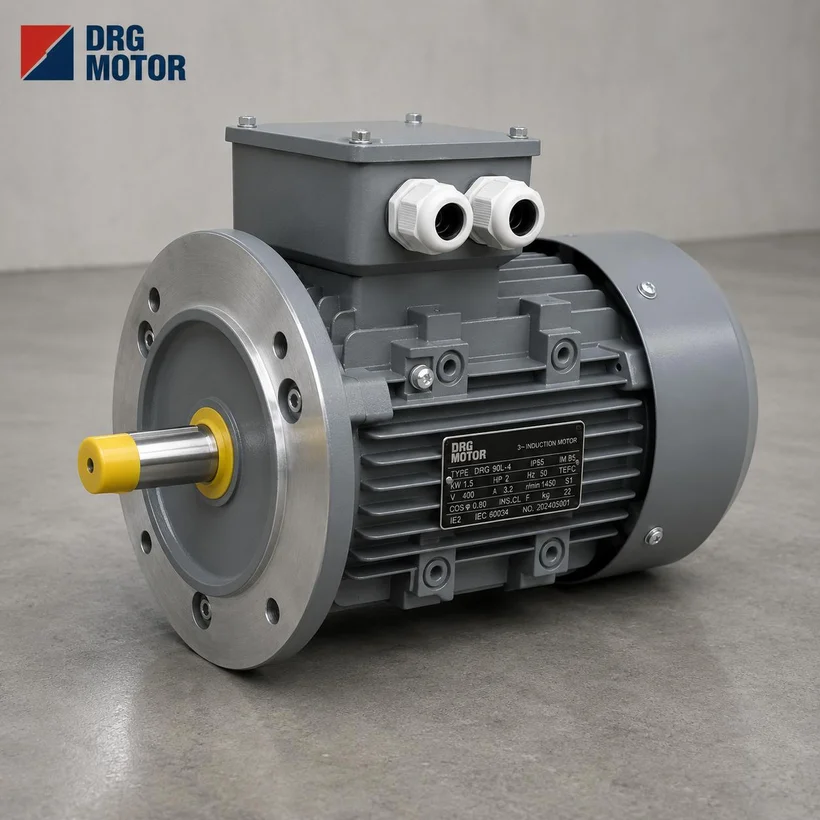
How Our Fast Quoting Process Works
On most projects, time is worth more than price. Waiting for a motor in a stalled plant means losing money every hour. That is why we keep our quoting process as short and clear as possible. When you reach out, we know exactly what we need, and we do not waste your time with endless back-and-forth.
- Send us the power rating and speed (pole count)
- State the mounting type (foot/flange) and frame size
- Share the operating environment and any drive usage
- Tell us the quantity and your delivery priority
With that information, we get back to you quickly with a firm price and lead time. For stocked items delivery is far faster; for special configurations we give a realistic schedule. We never commit to a date we cannot honour.
Speed Selection Defines the Application
The key to using a power figure like 5.5 kW correctly often lies not in the kilowatts themselves but in the speed. A high-speed 2-pole motor produces the same power with lower torque, which makes it ideal for high-flow pumps and fans. A 4-pole model offers a balanced profile between torque and speed, which is why it is the most popular choice for conveyors, agitators and general industrial drives. A 6-pole motor delivers high torque at low speed and comes into play on machines that need slow but powerful, hard-starting motion.
For this reason, saying "5.5 kW is enough" is not enough on its own. Knowing how many revolutions your machine needs per second, or which flow-pressure curve your pump runs on, lets us select the right pole count. A motor bought at the wrong speed will not deliver the expected performance even if the power is correct, and it wastes energy. Nailing down this detail at the quoting stage avoids the cost of a later swap.
The Value of Stock, Delivery and Continuity
There is a reality often overlooked when buying a motor but well known to maintenance teams: being able to find the same model again years later. If a plant runs dozens of identical motors, replacing a failed one with an exact match is a huge convenience. That is why working with a supplier who keeps a broad, consistent inventory pays off not just on the first purchase but over the whole lifecycle.
In emergency stoppages, a short waiting time is often worth far more than a price difference. Because we keep common power and frame combinations on hand, we let you restart your line quickly after unplanned failures. For planned upgrades, we offer a firm delivery schedule on bulk orders so you can move ahead without disrupting your production plan.
Why Work With DRG Motor
When choosing a motor supplier, looking only at the sticker price is misleading. What truly matters is getting the right product at the right time with the right technical support. As a wholesale supplier we hold a broad inventory and keep common power and frame combinations on hand. That keeps waiting times to a minimum on most orders.
We also do not leave you alone during selection. We explain clearly which speed, efficiency class and protection level suit your application. By asking the right questions up front, we spare you the stress a wrong motor creates on installation day. We value a long-term relationship far more than a one-off sale.
Your Next Step
If your line needs a motor in the 5.5 kW class, the soundest move is to reach out with your technical details and ask for a firm quote. Once you have the speed, mounting and environment information ready, pricing comes together in just a few steps. Let us move forward with real data rather than guesswork; you focus on production, and leave the motor sourcing to us. When you get in touch, you secure the right product and fast delivery at the same time.