 English
 Le français
 Türkçe
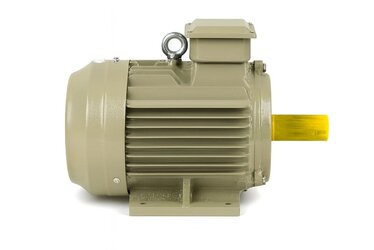
Electric Motor Applications
ELECTRIC MOTOR APPLICATIONS CONTACT: +90 542 666 11 11 Electric motors are fundamental components across a vast array of industrial, commercial, and residential systems. Their ab... More Details

ELECTRIC MOTOR APPLICATIONS CONTACT: +90 542 666 11 11 Electric motors are fundamental components across a vast array of industrial, commercial, and residential systems. Their ab... More Details
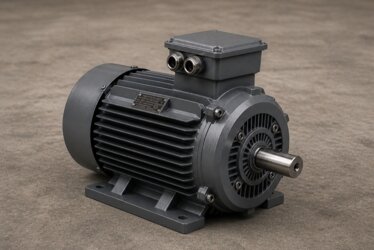
DRG Industrial Fan Motors DRG industrial fan motors are designed for radial and axial fans, ventilation, dust collection and smoke extraction systems, built to low vibration, mini... More Details
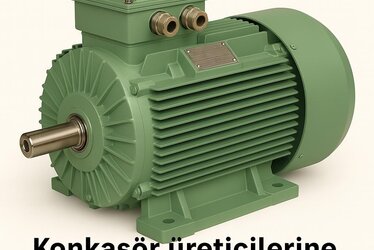
Asynchronous motors are the most widely used motor type in industry thanks to their simple construction, durability and low maintenance. Being available across a wide power range m... More Details
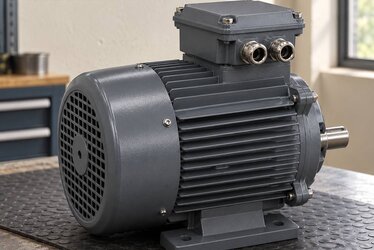
Low-power IE3 motors provide an efficient, compact solution for small pumps, fans, dosing systems and automation machinery. The price of these motors cannot be reduced to a single ... More Details
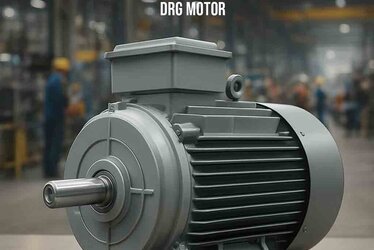
An IE3 motor is a three-phase asynchronous motor that meets the Premium efficiency class under IEC 60034-30-1 and has become the de facto standard for industrial applications. In i... More Details
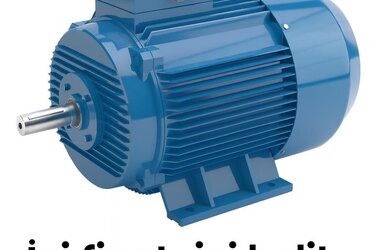
Fan systems are equipment expected to run continuously and quietly in industrial ventilation, cooling and dust-collection applications. The housing material of the AC motor that dr... More Details
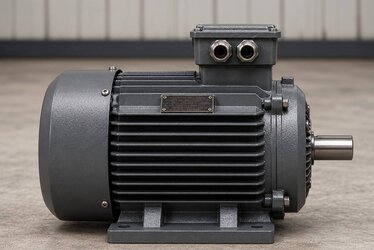
Electric motors used in fan systems drive the axial and centrifugal fans that move air in a controlled way, handling ventilation, exhaust, cooling-tower and process air-supply duti... More Details
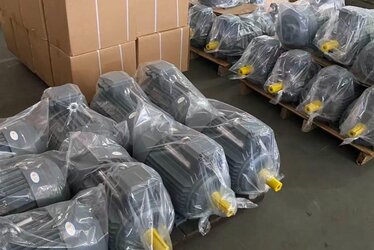
Electric motors used in fan and ventilation systems belong to an application group that calls for continuous, quiet operation and low vibration. From industrial ventilation to stac... More Details
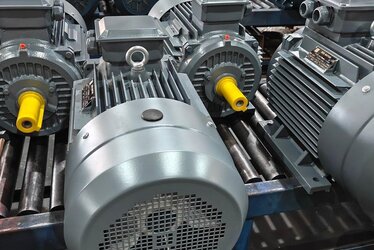
In a warehouse, electric motors sit behind almost every movement: ventilation fans, water pumps, conveyor lines and compressors alike. When choosing motors for a plant, you should ... More Details
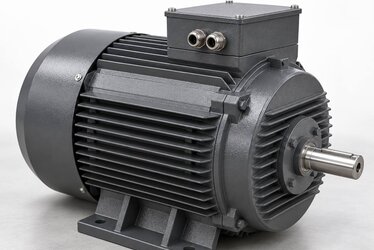
Fan systems move air in ventilation, extraction, cooling towers and smoke exhaust, often running all day long. For the AC electric motor driving these systems, being both quiet and... More Details
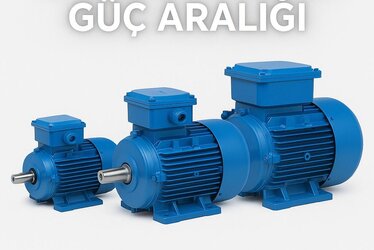
Pump, fan and compressor systems make up a large share of a plant's energy consumption and mostly draw continuous power between 60 and 100 kW. Because the load character of these t... More Details
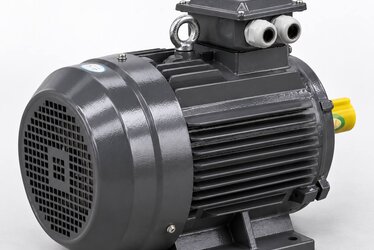
Because fan and ventilation systems run for most of the day in many plants, the motor choice directly sets both ventilation performance and energy cost. IE3 premium-efficiency moto... More Details
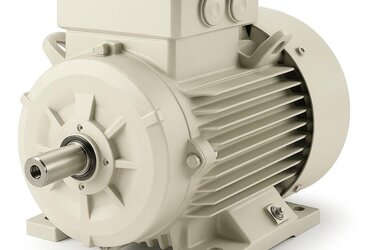
In industrial systems the electric motor is the main drive source that moves a wide range of equipment, from pumps and conveyors to fans and compressors. A plant's uninterrupted op... More Details
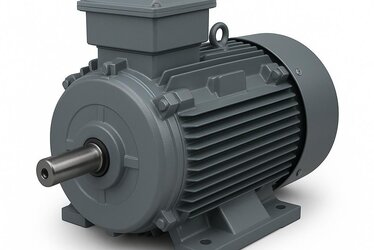
Electric Motors for Ventilation and Air Conditioning Systems Contact: +90 (542) 666 11 11 Ventilation and air conditioning systems are among the most critical components in moder... More Details
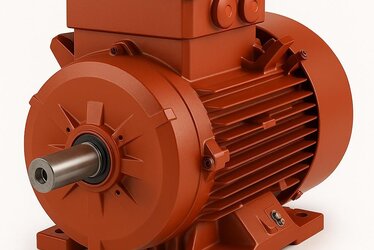
Next Generation Electric Motors for Fan Systems Contact: +90 (542) 666 11 11 In industrial and commercial environments, fan systems decide the outcome in ventilation, cooling, an... More Details
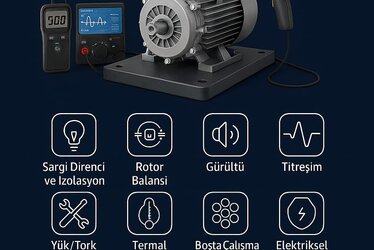
Smoke extraction motors are high-temperature fan motors built to expel hot smoke and combustion gases from a building during a fire. DRG Motor supplies dedicated series for this du... More Details
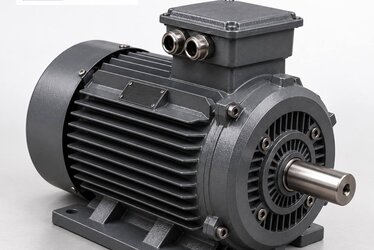
Where Are Electric Motors Used Electric Motor Application Areas Contact: +90 (542) 666 11 11 Electric motors are essential power units in today’s industrial landscape. From produ... More Details
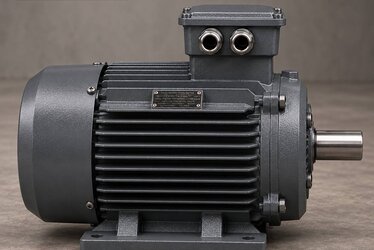
AC electric motors run on alternating current and produce shaft motion through a rotating magnetic field, making them the most widely used drive element in industry. Their simple c... More Details
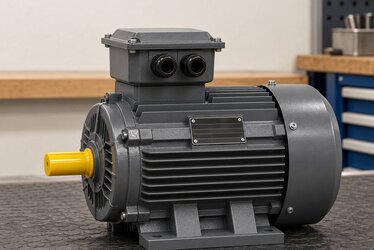
An electric motor is a machine that turns electrical energy into rotary motion and appears at nearly every stage of modern production. Visibly or not, these motors carry out the bu... More Details
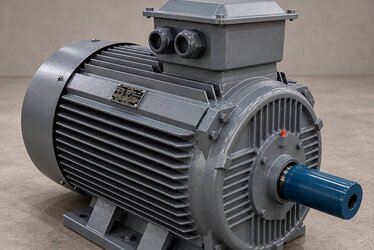
Most electric motors are designed to run at a single fixed speed. Some applications, however, require the motor to operate at two different speeds. One of the solutions that answer... More Details