 English
 Le français
 Türkçe

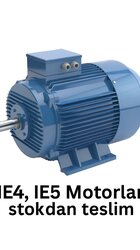
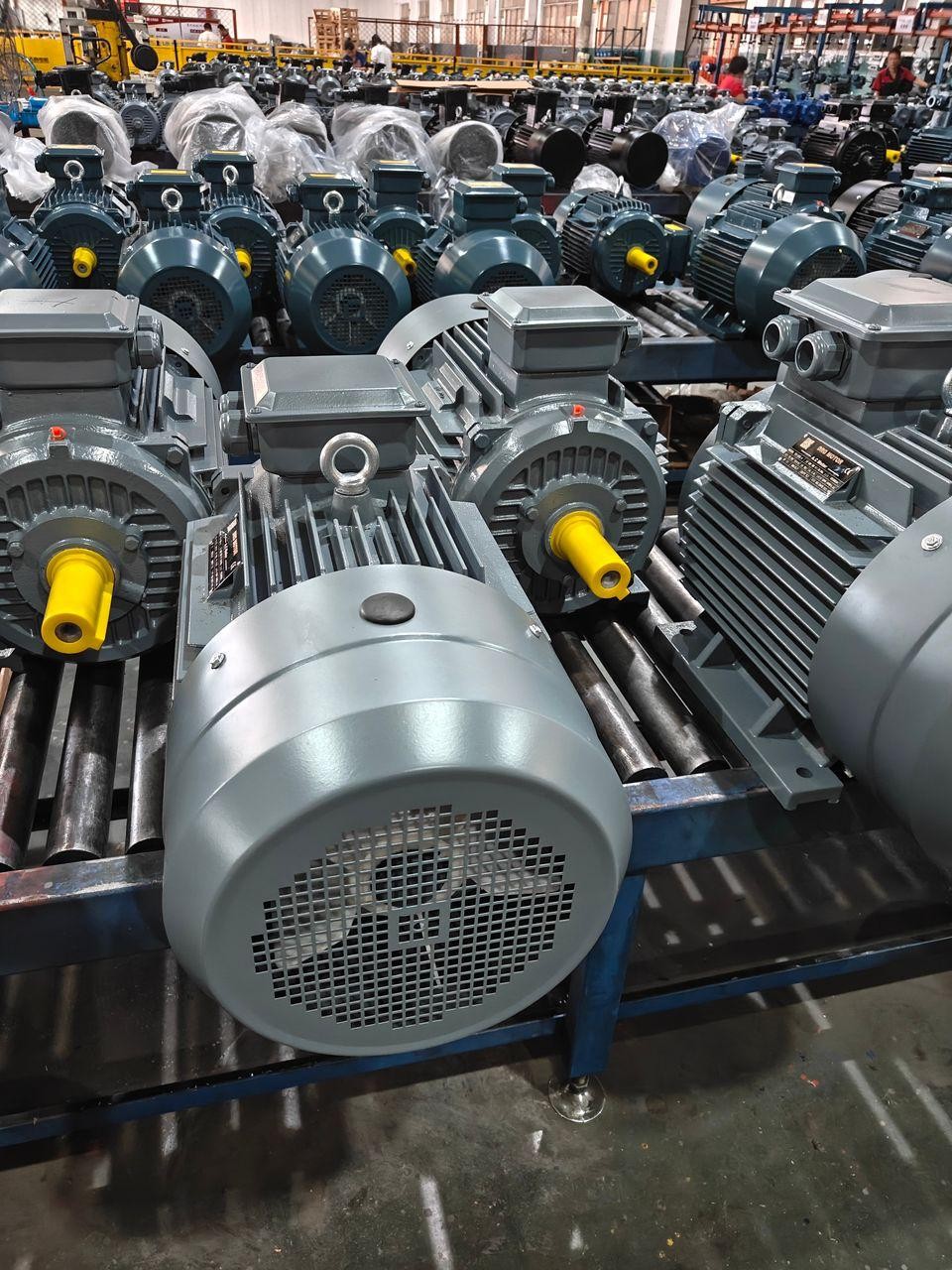

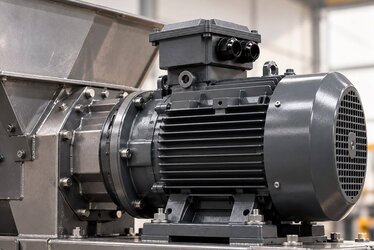
In a warehouse, electric motors sit behind almost every movement: ventilation fans, water pumps, conveyor lines and compressors alike. When choosing motors for a plant, you should weigh the load profile of the whole line, the running hours and ease of maintenance, rather than picking products one by one.
Plant Loads Demand Variety
Under one roof, small low-kW fans run beside main pumps of several hundred kW. Pumps and fans present a variable-torque load, while conveyors and mixers impose constant torque. If the correct pole count and power are not chosen for each group, the line either runs inefficiently or the motor wears out early. Using a standard frame series across the plant also eases spare-part and stock management.
Continuous Duty and Efficiency
In multi-shift plants, motors turn in S1 continuous duty for much of the year. Here IE3 and IE4 efficiency classes make a real difference on the annual energy bill; the energy a motor consumes over its life far exceeds its purchase price. A higher efficiency class pays for itself over long running hours.
Ambient Conditions and Protection
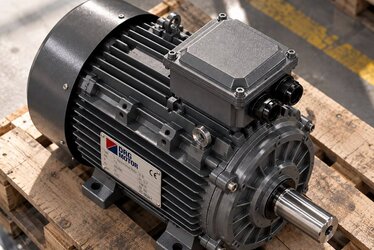
In dusty, humid or wash-down areas, IP55 is the minimum protection level; food and chemical plants may need higher. A cast iron frame provides mechanical strength on vibrating lines and outdoors. Class F insulation preserves winding life in hot environments.
A Motor Plan to Suit Your Plant
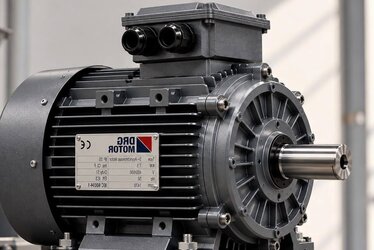
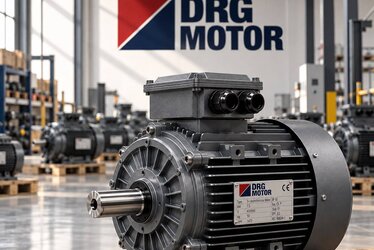
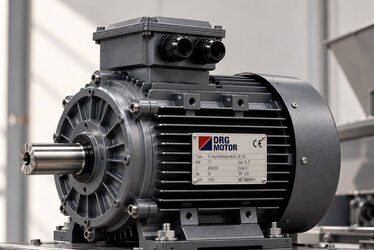
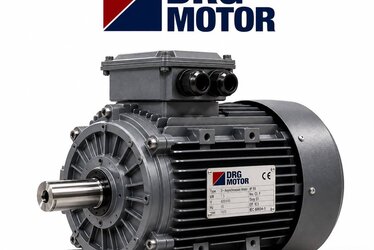
DRG Motor supplies 2-, 4- and 6-pole IE3 motors from 0.55 to 355 kW in B3 foot-mounted and B5/B14 flange options from a single source. Share your pump, fan, compressor and conveyor loads and we can draw up a compatible, stockable motor list line by line.