 English
 Le français
 Türkçe

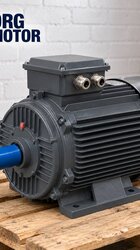
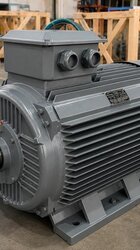
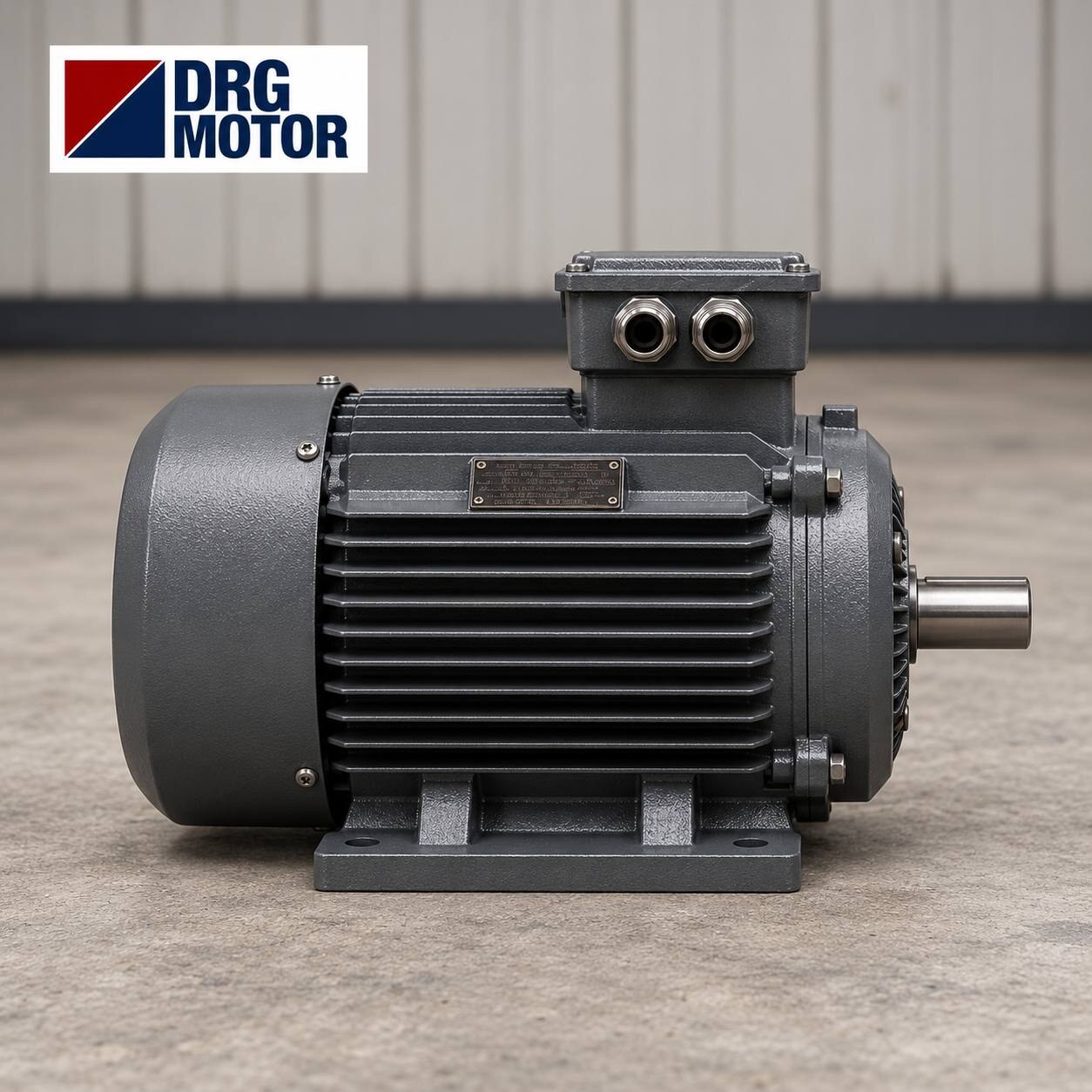

Electric motors used in fan systems drive the axial and centrifugal fans that move air in a controlled way, handling ventilation, exhaust, cooling-tower and process air-supply duties. Because fan load rises sharply with speed, selecting the motor calls for a different approach than other applications.
How Fan Load Reflects on the Motor
The power a fan absorbs varies with the cube of the speed; a small rise in speed means a marked rise in power. Choosing the right speed is therefore critical: a 4-pole 1500 rpm motor suits medium-flow systems, while a 6-pole 1000 rpm unit fits large-diameter, low-noise fans. Where speed control is needed, the motor is planned to run with a variable frequency drive.
Cooling and Protection Requirements
Fan motors often work in hot exhaust air, dust or humidity. The IP55 rating protects the windings in dusty surroundings, while Class F insulation leaves a safe margin at high ambient temperature. On self-cooled motors, keeping the air path clear prevents overheating in continuous running.
Efficiency and Continuous Duty
Since ventilation fans usually run all day, choosing the IE3 Premium efficiency class lowers energy use in concrete terms. A motor sized for S1 continuous duty delivers the same airflow over long operating hours without strain.
DRG Motor for Fan Applications
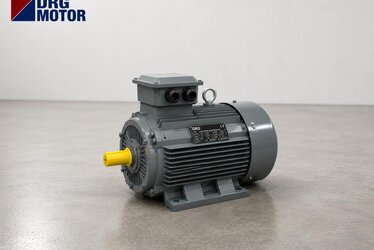
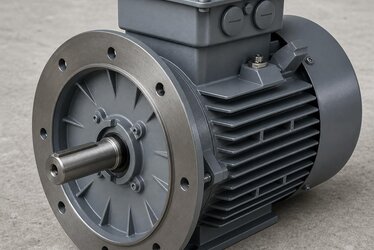
The Izmir-based supplier DRG Motor supplies motors for fan and ventilation systems from 0.55 to 355 kW with B3 foot-mounted and B5 flange-mounted options. Share the fan type, airflow and speed and you can obtain a current quotation for the right model.