 English
 Le français
 Türkçe

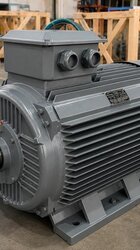
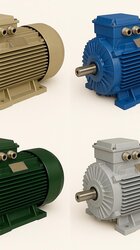
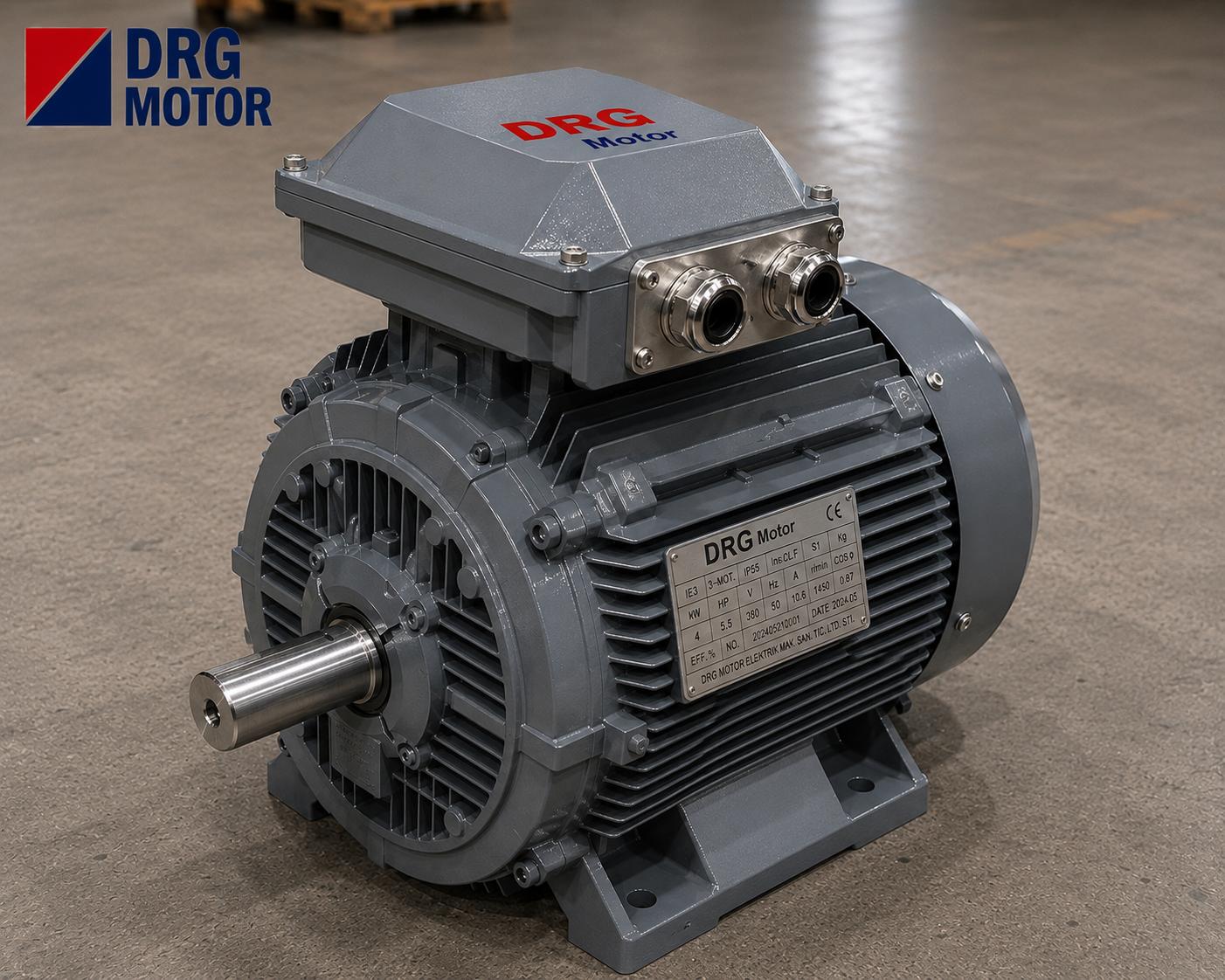

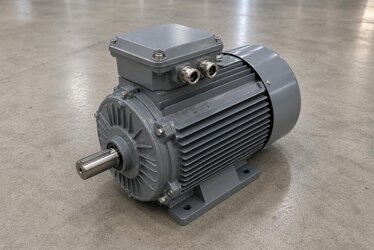
Specifying a motor for a food-producing plant follows very different rules from ordinary industrial supply. Every piece of equipment running on a dairy, meat, bakery, beverage or ready-meal line has to be washed down several times a day, cleaned with foaming chemicals and exposed to high-pressure water. Under these conditions, using a durable, hygienic and corrosion-protected food industry motor is not a preference but a direct part of both production safety and food safety. At DRG Motor we act as a supplier that understands the demands of this harsh environment, offering motors rated IP55 and above together with the right frame and surface solutions.
Why IP55 Is Essential on a Wash-Down Line
The cleaning routine on a food line means the motor meets a water jet every single day. The IP55 protection class shields the motor against low-pressure water jets from any direction and against dust ingress, keeping moisture away from the winding. A standard motor with a lower protection class may look fine for the first few wash-downs, but over time it takes on moisture, its insulation weakens and it stops without warning. A hygienic food industry motor is specified with sealing gaskets, a protected terminal box and a suitable surface coating so that it withstands this water contact for years. The right protection class is the first and most critical criterion that determines how long a motor will survive in a food environment.
The Invisible Cost of Corrosion
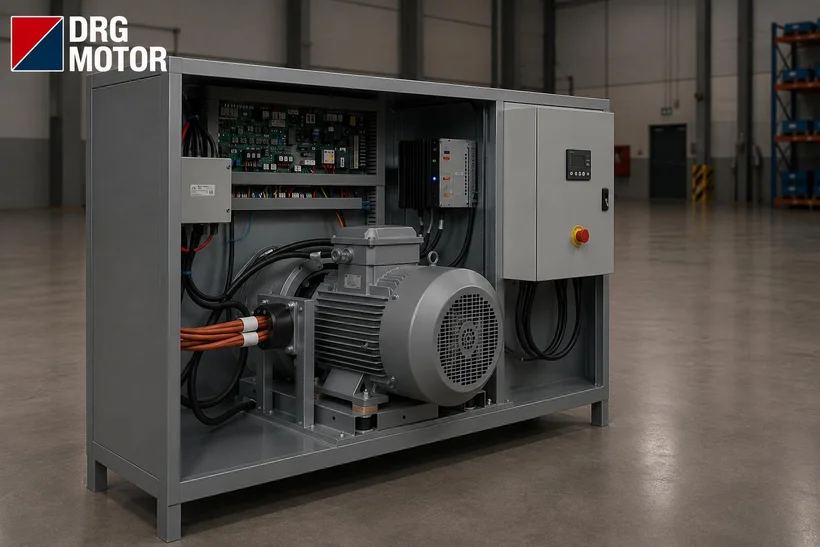
The acidic, alkaline and chlorinated cleaning chemicals used in food plants slowly eat away at a motor housing. Corrosion starts on the surface, then works its way between the cooling fins and into the terminal connections. On an unprotected motor this process triggers a chain of problems, from impaired cooling to electrical failure. A corrosion-resistant motor may look more expensive at first glance, but once you account for replacement frequency and downtime losses you find that the gap closes quickly.
- Corrosion clogs the cooling fins and causes the motor to overheat.
- A rusting terminal box draws in moisture and raises the short-circuit risk.
- Surface deterioration can create non-conformities during hygiene audits.
- A frequently replaced motor means unplanned downtime and ongoing cost.
How Hygienic Design Supports Production Safety
Food safety is not only about the product itself but about every surface that touches it. A smooth, easy-to-clean motor housing that does not hold water minimises bacterial build-up and cross-contamination. Residues that collect around bolt heads, between fins and at joints are both a hygiene risk and a source of trouble during audits. When a hygienically designed food industry motor is chosen with surface and frame options that reduce these blind spots, it contributes directly to the plant's food safety management system. This approach is needed not just to pass an inspection but to keep the food being produced safe. The right motor choice eases compliance with HACCP and similar quality frameworks, because a piece of equipment that is hard to clean undermines even the most rigorous cleaning procedure.
Choosing the Right Frame and Efficiency Class Together
On food lines the motor often runs for long hours, sometimes across three uninterrupted shifts. That makes the efficiency class as important as the protection class. A high-efficiency motor noticeably lowers the energy bill in continuous duty, while the right frame choice guarantees resistance to wash-down and chemicals. Different applications such as conveyors, mixers, pumps and fans call for different torque and speed profiles; a supplier like us recommends the right combination from a range of three-phase asynchronous motors suited to these duties. Considering protection, efficiency and frame together is the key to a sound investment in a food environment.
Cold Room and High-Humidity Conditions
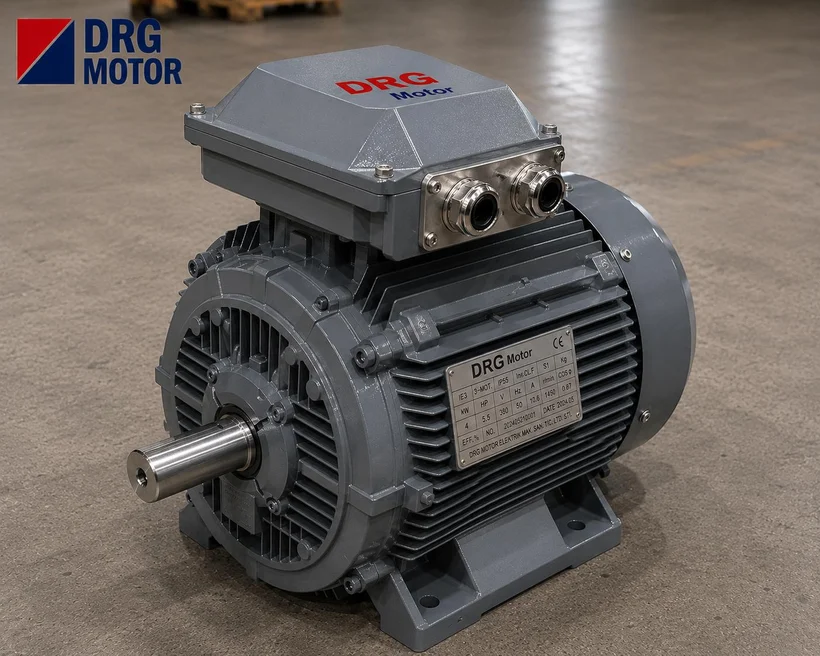
Food plants are not only about wash-down lines; cold stores, freezer rooms and high-humidity areas pose a separate challenge for motors. Moisture that condenses at low temperature works into the motor and damages the insulation, while sudden temperature swings fatigue the seals. A motor selected for these areas must be suitable in terms of both its protection class and its insulation class. Where needed, extra measures such as anti-condensation heaters, special bearing grease and reinforced seals come into play. The right supplier recommends a motor based not just on its nameplate value but on the real conditions of the room it will work in, because a motor running in a cold store and one on a wash-down line have entirely different needs.
Supply Discipline in Whole-Line Renewals
When a food plant grows or raises its hygiene standards, it often needs to renew not a single motor but an entire line, or several lines at once. In such a project it is a great advantage when every motor arrives in the same protection class, with the same connection standard and compatible frame dimensions. For these multi-item purchases our proje motor tedarik approach meets your requirement list from a single source, on one delivery schedule and to a consistent technical standard. Supply handled through a single point of contact makes your installation team's job easier and ensures consistency in future spares and replacements.
Spare Parts and Fast Replacement Assurance
In food production a stopped line usually means perishable product and a missed delivery. That is why, in supplying a food industry motor, what matters is not only the initial purchase but availability at the moment of failure. Compatible motors held in stock, fast shipping and a clear point of contact decide whether a fault is resolved within hours or within days. As a supplier we place particular emphasis on making the motors we sell easy to keep in reserve and quick to swap, because on a food line time means product and money directly. A pre-agreed spare strategy for critical lines turns an unexpected stop into a planned intervention.
What Energy Efficiency Means in a Food Plant
In a busy food plant, motors make up a large share of total electricity consumption. Refrigeration compressors, pumps, fans and conveyors run all day long. That makes high-efficiency motor selection a direct profit item for the food producer. A few points of efficiency turn into meaningful savings by year-end and repay the price difference of the motor in a short time. Efficient motors also generate less heat and so ease the cooling load, which is an additional advantage in climate-controlled production areas. The right motor for a food plant should be judged on both its durability and its energy performance, because over the long run the real cost is hidden not in the sticker price but in the energy the motor burns over its lifetime. On high-power applications this difference becomes even sharper, so at the quotation stage we suggest weighing the yüksek güçlü motor fiyatı item together with the total energy cost.
The Right Information Speeds the Quotation
Pricing the most suitable motor for a food plant moves faster with a few basic details from you. The application it will serve, the duty cycle, the ambient conditions, the wash-down frequency and the protection class you want form the basis of an accurate quote. Once you share these, we can offer you a motor that suits both protection and efficiency, together with a firm delivery time. Because the price is shaped by factors such as power, protection class, housing material and quantity, a sound comparison is only possible once your application is clear. A short technical conversation before the quote therefore saves you both time and cost.
The Right Step for Your Food Line
In food production the motor is the unseen yet most critical link in the chain; when it stops it halts the whole line, and when its hygiene fails it puts the product at risk. At DRG Motor, as a supplier that understands this delicate balance in the food sector, we select and price hygienic, corrosion-resistant motors rated IP55 and above to match your project. Whether it is a single critical unit or a complete line renewal, send us your requirement and let us quote the motor best suited to your application with clear terms and a firm delivery commitment. Let us make the right motor decision together today so your food line runs safely and without interruption for years to come.