
DRG Electric Motor Sales

Contact: +90 (542) 666 11 11


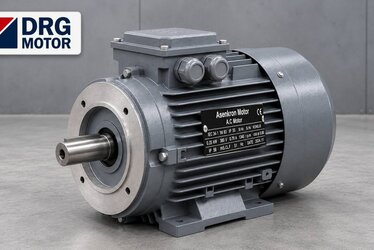
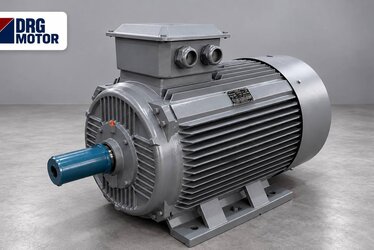
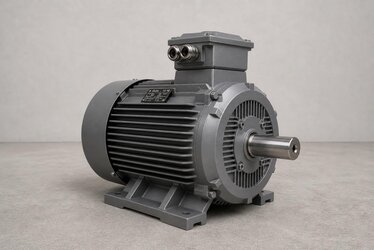
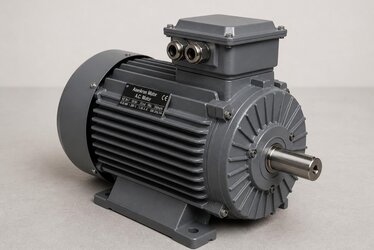
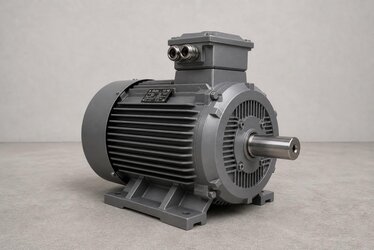
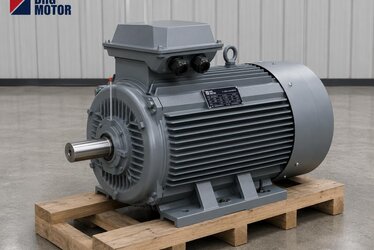
Electric motors are systems that convert electrical energy into controlled mechanical motion. In today’s world, almost every mechanical movement is driven by an electric motor. Although they may seem simple, electric motors represent a perfect combination of physics and engineering.

What Is an Electric Motor?

An electric motor is a machine that produces rotational motion by using magnetic effects generated by electric current. This motion is transferred to connected systems through the motor shaft, allowing work to be performed. Regardless of size or power, the core principle remains the same: electricity → magnetic field → mechanical motion.

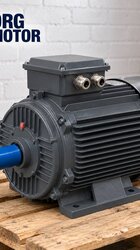
The idea reflected by DRG Motor highlights that an electric motor is not just a power-generating component, but a system that requires balance, continuity, and precision.

Why Are Electric Motors So Important?

The importance of electric motors comes from the advantages they provide:

  • Continuous and controlled motion

  • Reduced dependence on manual labor

  • Faster and more efficient production processes

  • Improved energy utilization

For these reasons, electric motors have been at the center of technological progress since the industrial revolution.

How Do Electric Motors Work?

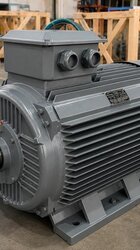
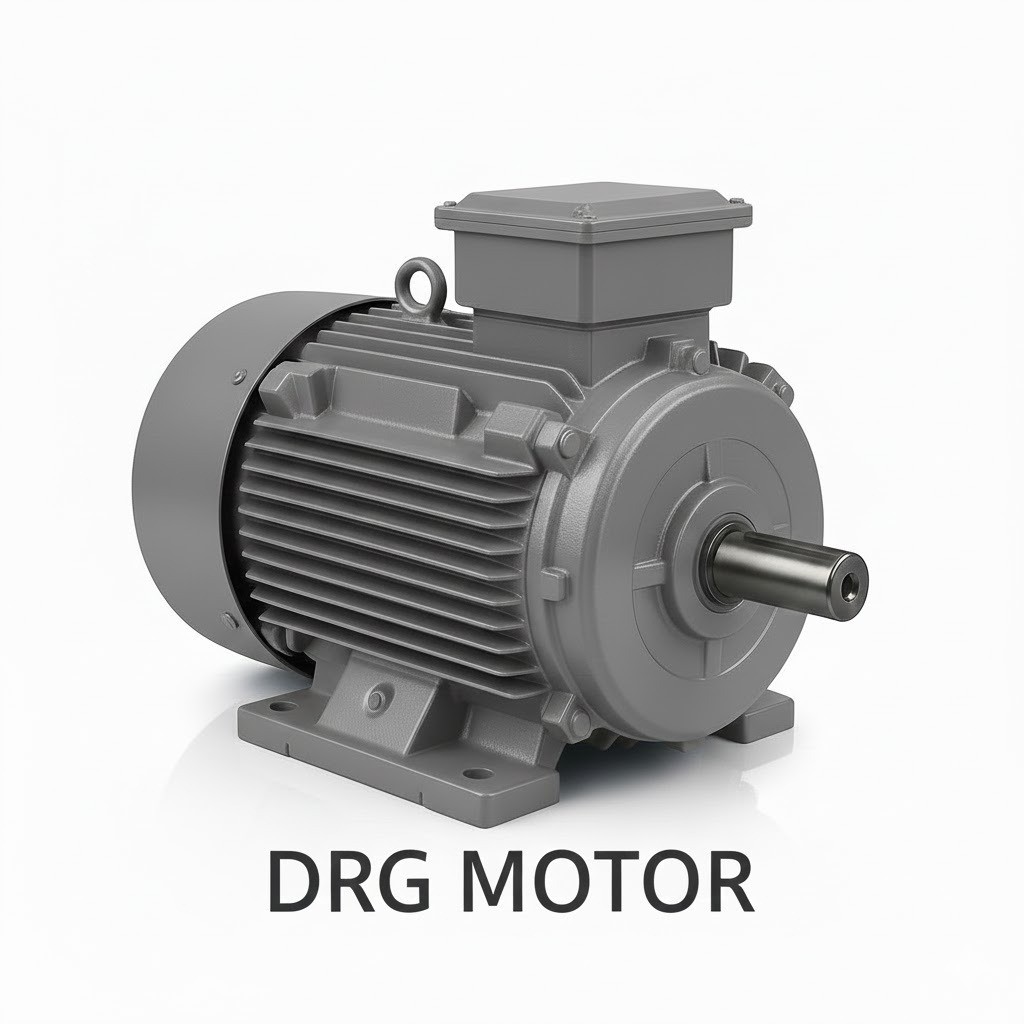
When an electric motor is powered, current flows through internal windings and creates a magnetic field. This field generates force between the stationary part (stator) and the rotating part (rotor). The resulting force causes the rotor to spin, setting the motor shaft in motion.

This movement can be:

  • Constant in speed

  • Adjustable in speed and torque

  • Automatically balanced according to load conditions

Such balance makes electric motors reliable and long-lasting systems.

Where Are Electric Motors Used?

Electric motors play an active role in nearly every sector:

  • Industrial Facilities: Production lines, presses, ventilation systems

  • Energy and Infrastructure: Water and wastewater pumps, air handling units

  • Daily Life: Kitchen appliances, air conditioners, power tools

  • Automation and Robotics: Systems requiring precise motion

  • Agriculture and Livestock: Irrigation, feeding, and transport systems

This wide range of applications demonstrates how adaptable electric motors are. The DRG Motor concept serves as a reminder that motors provide not only power but also continuity and reliability.

The Future of Electric Motors

Today, electric motors are being developed to consume less energy, operate more quietly, and last longer. Combined with smart control and automation technologies, motors are becoming part of intelligent systems rather than just mechanical components.

Final Thoughts

Electric motors are the invisible structural pillars of the modern world. With every rotation, they drive production, comfort, and technological advancement. When approached with proper engineering principles, electric motors will remain essential elements of both today’s and tomorrow’s technology.