 English
 Le français
 Türkçe

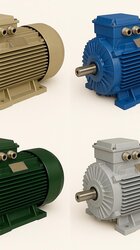
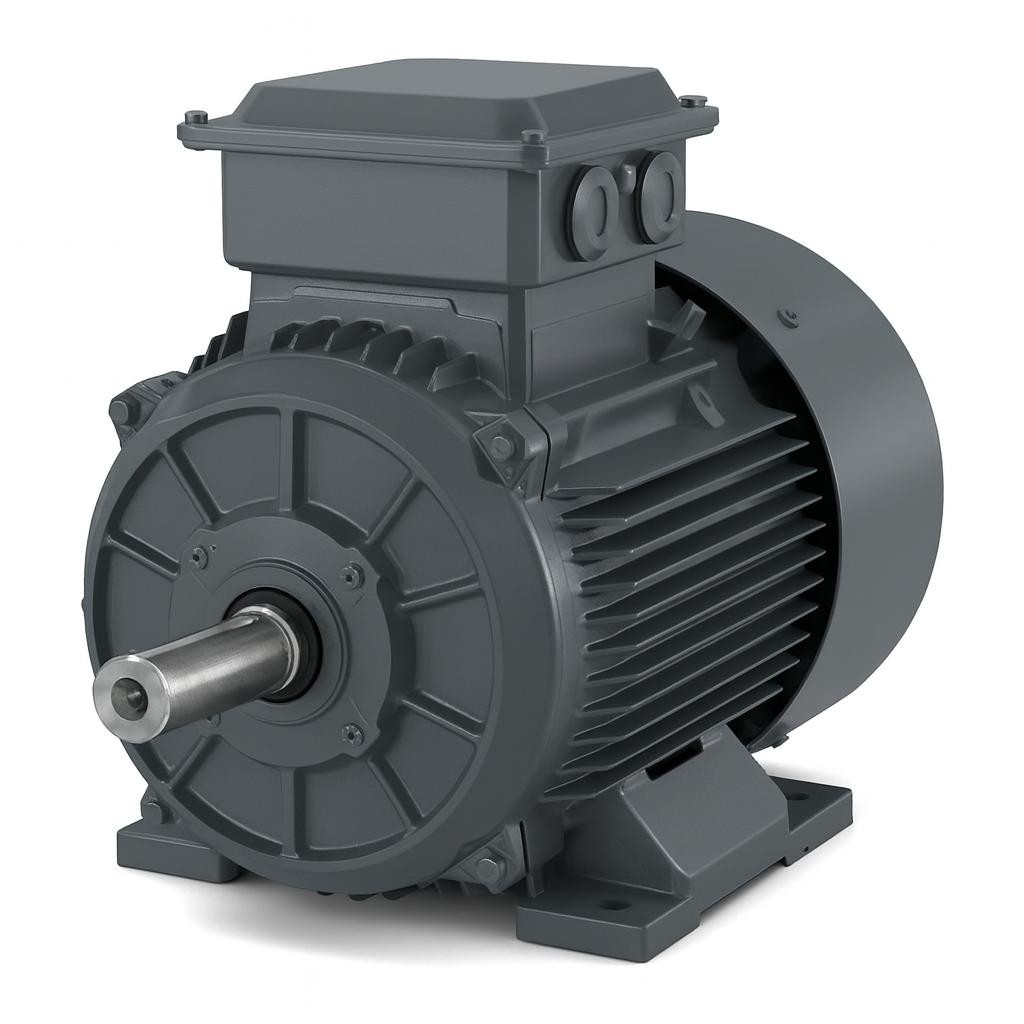

AC Asynchronous Motor Price
Contact: +90 (542) 666 11 11
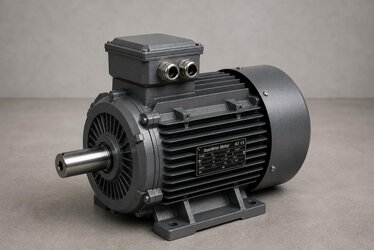
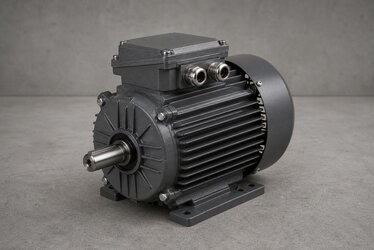
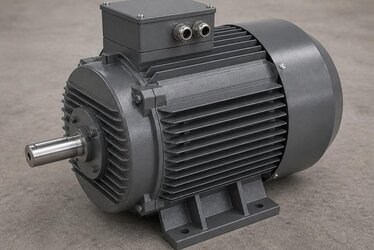
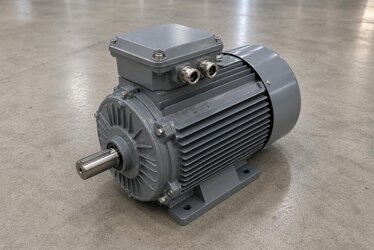
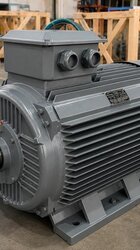
The price of an AC asynchronous motor is an important consideration for industrial and commercial businesses when investing in electric motor solutions. AC asynchronous motors, which operate with alternating current (AC), are widely used in industrial applications ranging from pump systems and fans to compressors and conveyor lines. Therefore, the term “AC Asynchronous Motor Price” represents not just a cost figure, but also the need to choose the right motor for long-term efficiency, durability, and performance.
The main factors affecting AC asynchronous motor prices include motor power (kW/HP), rotational speed (RPM), efficiency class (especially IE2, IE3, and above), frame type, brand, and after-sales technical support services. These elements are the most significant criteria that directly influence pricing. For example, high-efficiency IE3 motors help reduce energy consumption, lower total operating costs, and speed up return on investment in the long run.
AC asynchronous motor prices vary across a wide range. Lower-power motors (e.g., 0.75 kW – 3 kW) may be available at more affordable price points, while higher-power models (e.g., 5.5 kW and above) tend to have higher prices depending on technical specifications. Motor efficiency level, frame design, and mounting standards also contribute to price differences.
Industry leaders such as DRG Motor stand out with a broad product range and technical support advantages in AC asynchronous motors. With the right technical analysis, businesses balance price and performance while gaining energy and cost advantages in their production processes. Professional support ensures that motor selection, installation, and maintenance processes are managed more effectively and with longer service life.
When evaluating AC asynchronous motor prices, businesses should set cost beside efficiency, performance, durability and technical support. With the right product choice, companies can achieve energy efficiency and low operating costs, resulting in a sustainable production process