 English
 Le français
 Türkçe
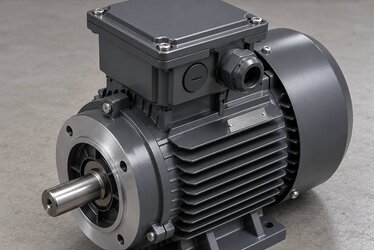
How Temperature Affects Electric Motor Efficiency
The efficiency of an electric motor is not a fixed value; it changes with operating temperature. As temperature rises, the electrical resistance of the winding copper increases, wh... More Details

The efficiency of an electric motor is not a fixed value; it changes with operating temperature. As temperature rises, the electrical resistance of the winding copper increases, wh... More Details
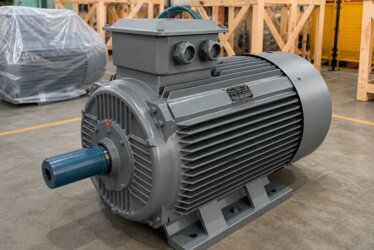
An electric motor cannot convert all the electricity it draws into mechanical power; some of it is inevitably turned into heat. For a single motor this heat may seem small, but in ... More Details
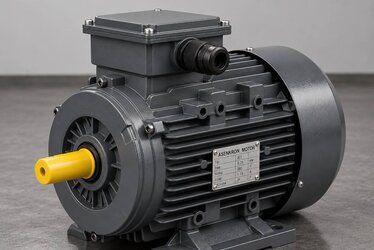
When you look at the nameplate of an electric motor, you encounter many markings such as the insulation class, the protection class, and the efficiency class. Among them there is a... More Details
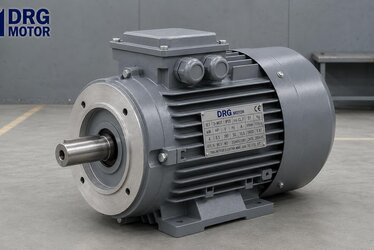
On a line that runs around the clock, the quietest threat to a motor is heat. Winding insulation ages slowly, bearing grease thins out, and efficiency drifts down with every extra ... More Details
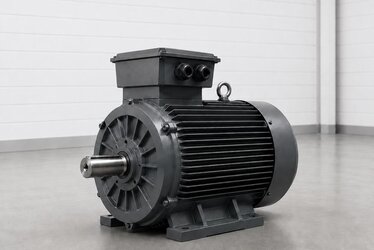
When an electric motor runs hotter than it should, it is a symptom most plants overlook, yet it carries a serious warning behind it. If you cannot keep your hand on the motor housi... More Details
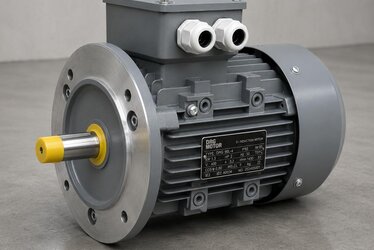
A motor delivers its full nameplate rating in a cool workshop at sea level, yet the very same motor is forced to run below that label on a high mountain plateau or in the hot bay o... More Details