 English
 Le français
 Türkçe
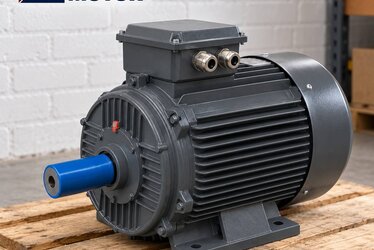
Electric Motor Selection for Ceramic Plants
Ceramic production involves many stages, including raw material preparation, forming, drying, firing, and glazing. Electric motors are at work in nearly all of these stages. A wide... More Details

Ceramic production involves many stages, including raw material preparation, forming, drying, firing, and glazing. Electric motors are at work in nearly all of these stages. A wide... More Details
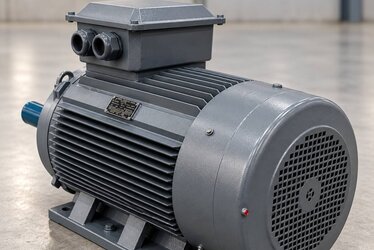
Some loads are simply too large to fit within the power of a single motor. A belt conveyor hundreds of metres long, the lifting system of a heavy bridge crane, or the drive of a la... More Details
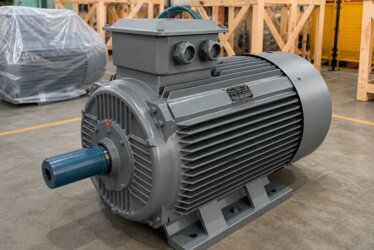
Brake electric motors are indispensable in applications that must stop quickly and safely the moment stopping is required. Cranes, elevators, conveyors, door systems, and machines ... More Details
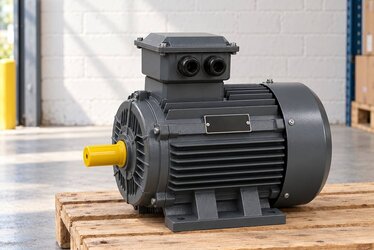
Packaging, the final stage a product passes through from the production line to the consumer, is one of the areas where the speed and precision of modern manufacturing are tested m... More Details
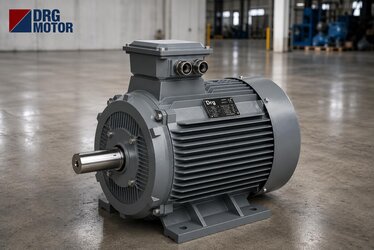
When a conveyor line stops, the whole production flow behind it usually stops with it. Belt handling systems place several demands on a drive at the same time: a high breakaway tor... More Details
A concrete batching plant looks like a single facility from the outside, but inside it runs dozens of electric motors with very different working characters. The mixer sits at the ... More Details
Whenever you set up a pump, fan, conveyor or geared drive on a production line, the first parameter to lock down is rotational speed. On mains-fed asynchronous motors the most wide... More Details
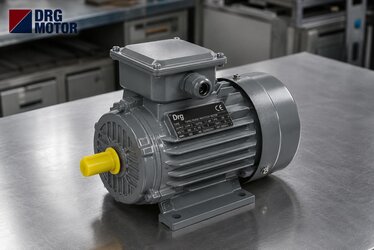
The real productivity of a recycling plant is measured by how quickly and continuously incoming material can be broken down and moved. Sudden shock loads on the crusher shaft, conv... More Details
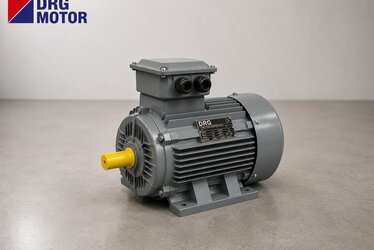
On a line that runs around the clock, a motor is not just one component on the bill of materials; it is the heartbeat of the whole operation. Whether it drives a conveyor, a pump, ... More Details