 English
 Le français
 Türkçe
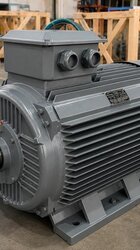
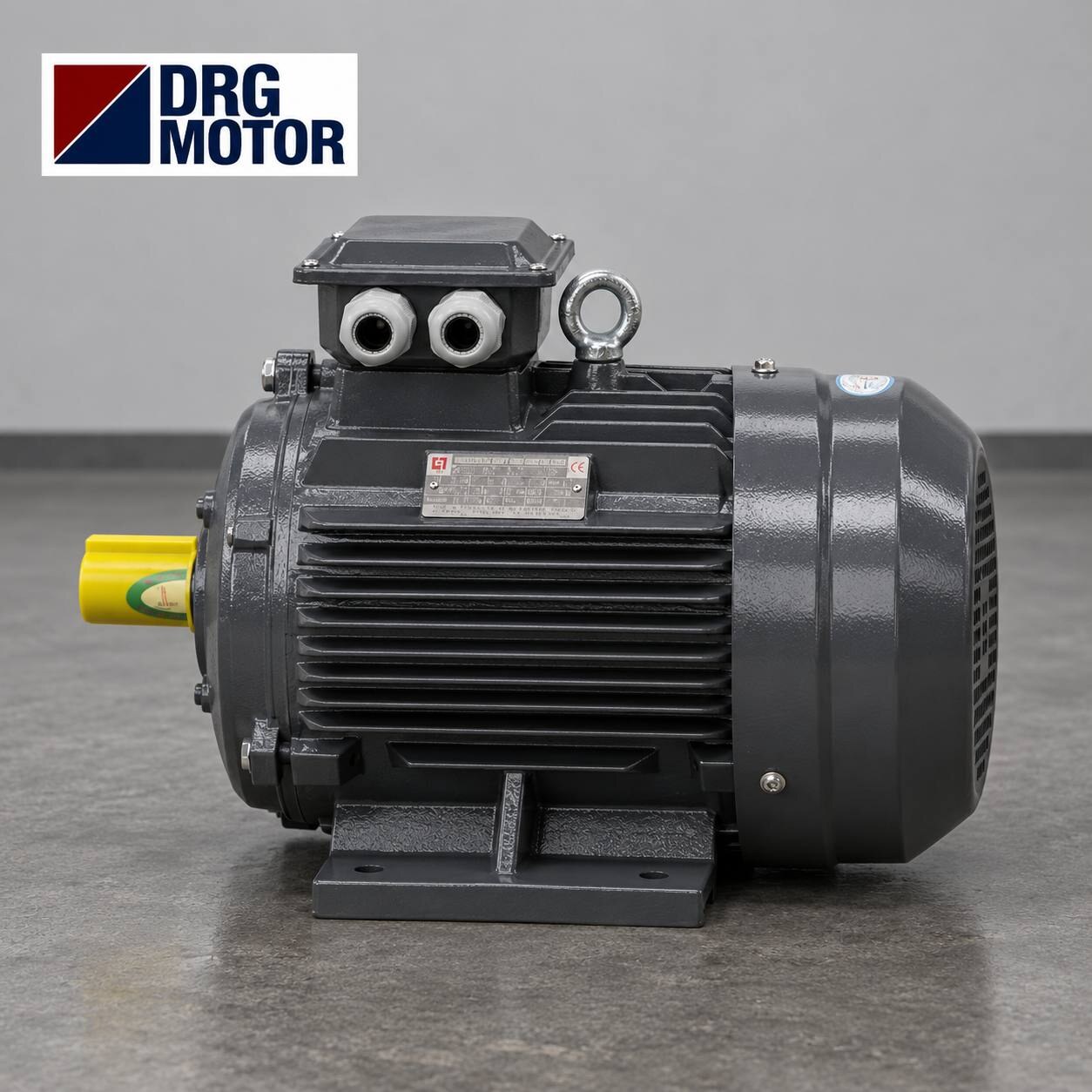

The heart of an electric motor is the windings placed inside its stator. These windings directly determine the motor's power, efficiency, and service life, and they are formed through meticulous craftsmanship known as winding work. When winding quality is neglected, even the most expensive motor performs far below expectations and fails prematurely. For this reason, winding quality is one of the most important topics to focus on when selecting and maintaining a motor.
In this article we will examine in detail what winding is, which parameters determine its quality, and what a poor winding can cost your motor. To understand the subject better, we recommend reading our article on what is an electric motor.
What is winding and what does it do in a motor?
Winding is the process of placing conductive wire into the stator slots in a specific, ordered pattern. When these windings are energized, the resulting magnetic field creates the force that turns the rotor. In other words, the electrical energy that the motor converts into mechanical power is first processed in these windings.
The geometry, number of wires, and arrangement of the windings determine the motor's speed, torque, and power output. A properly designed winding produces a balanced magnetic field, allowing the motor to run quietly, efficiently, and without vibration.
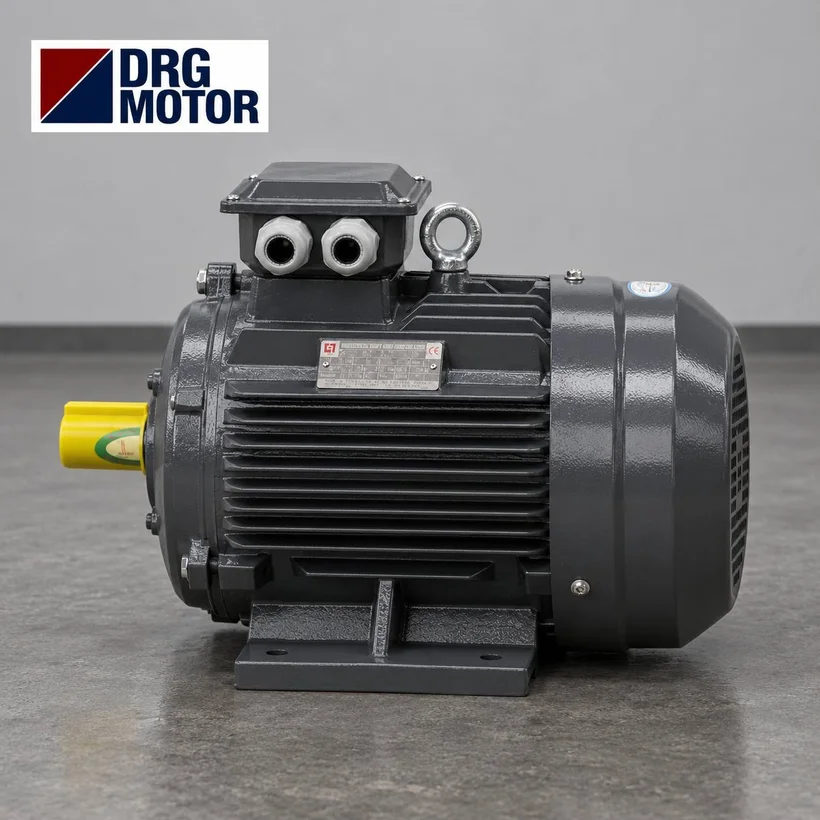
The effect of wire diameter on quality
The diameter of the enameled copper wire used in the winding determines how much current the motor can carry. A wire with insufficient diameter overheats at rated current and rapidly consumes the life of the insulation.
In quality winding, the wire diameter is precisely calculated according to the motor's power and voltage values. A thinner-than-necessary wire may look economical, but in the long run it returns as the cost of rewinding.
Number of turns and magnetic balance
The number of turns wound per pole affects the magnitude of the magnetic flux and therefore the motor's speed-torque characteristic. An incorrect turn count causes the motor to either pull weakly or draw excessive current.
It is essential that the winder keeps the turn count faithful to the original design. Otherwise the motor deviates from its nameplate values, and efficiency losses become inevitable.
The importance of insulation material
The materials that provide electrical insulation between the winding wires and between the winding and the body are an invisible but vital part of winding quality. The class of the insulation material determines the temperature the motor can withstand.
A winding that uses high-temperature-class insulation allows the motor to operate safely even under harsh conditions. Our article on insulation class provides detailed information on this subject.
Winding technique and workmanship
How the wire is placed into the slots, and whether it is wound without being crushed or damaged, directly determines quality. If the enamel coating of the wire is scratched during winding, a short-circuit risk arises.
An experienced winder places the wires in tidy bundles, leaves no gaps within the slot, and shapes the winding ends neatly. This workmanship improves the motor's heat distribution and mechanical strength.
The role of impregnation and varnishing
After winding is complete, the coil is impregnated with special varnishes and baked. This process binds the wires into a single mass, reducing vibration and providing protection against moisture.
A well-executed impregnation prevents the winding ends from moving during operation. As a result, the wire insulation is not worn down by friction, and the motor's life is significantly extended.
The effect of winding quality on efficiency
Resistive losses in the winding make up a significant portion of the motor's total losses. Correct wire diameter and clean workmanship minimize these losses.
Quality winding produces motors that deliver the same mechanical power while consuming less electricity. High-efficiency electric motors are the product of this meticulous winding philosophy.
Heating and winding temperature
The heat that accumulates in the winding is the greatest enemy of insulation. Every additional 10 °C of temperature roughly halves the life of the insulation.
A balanced winding with the correct wire diameter heats up less. This makes it possible for the motor to run trouble-free for many years at rated load.
Click to see current electric motor prices and order nowSEE PRICES →
The consequences of poor winding
A careless winding may appear to work at first glance, but it soon causes problems. Unbalanced windings create vibration, noise, and excessive current.
The most common consequences include inter-turn short circuits, leakage to the body, and phase imbalance. These faults can often be confused with the symptoms of phase loss.
When is rewinding necessary?
Motors whose windings have burned out or whose insulation has reached the end of its life can be returned to service by rewinding. However, rewinding only makes sense as long as the original quality standards are respected.
An uninformed rewind can permanently reduce a motor's efficiency. For this reason, the operation should be carried out in expert workshops that use measuring instruments and the correct materials.
The risk of efficiency loss in rewinding
Studies show that careless rewinding can reduce motor efficiency by several percentage points at once. Over the years, this loss turns into a serious energy bill.
When the original wire diameter, turn count, and insulation class are preserved, efficiency loss is minimized. A quality workshop records the data of the disassembled winding and rewinds with the same values.
Rotor and stator compatibility
Winding quality is not limited to the stator alone; the condition of the rotor also affects performance. Copper-wound rotors offer higher efficiency than cast aluminum rotors.
Our article on rotor copper-wound electric motors, where we examine this topic in depth, clearly demonstrates the importance of material selection.
Winding and capacitor in single-phase motors
In single-phase motors, the auxiliary winding and capacitor provide the starting torque. The quality of this winding determines how smoothly the motor starts.
If the auxiliary winding is wound incorrectly, the motor starts with difficulty or does not turn at all. For details, you can look at our article on single-phase motor capacitor.
Three-phase winding balance
In three-phase motors, the winding of each phase must be balanced with the others. A resistance difference between the phase windings leads to unbalanced current and vibration.
A balanced three-phase winding allows the motor to turn quietly and efficiently. In three-phase motor in industry applications, this balance is critically important.
Overload and winding protection
Even a good winding is damaged if it runs under overload for a long time. For this reason, motors should be equipped with thermal relays and protection devices.
Measures that protect the winding safeguard the winding investment. Our article on overload protection explains these measures in detail.
The relationship between vibration, noise, and winding
Unbalanced or loosely wound coils cause the motor to vibrate excessively while running. This vibration wears out both the bearings and the winding insulation.
Quality winding and good impregnation minimize vibration. Our related article on reducing noise and vibration offers complementary information.
The relationship between bearing life and winding temperature
An overheating winding transfers the heat it produces to the shaft and bearings. This causes the grease to dry out and shortens bearing life.
A cool-running quality winding indirectly extends bearing life as well. Our article on extending bearing life explains this relationship.
The effect of harmonics on the winding
Harmonics that occur in motors driven by frequency inverters create additional heating in the winding. For this reason, a higher insulation class should be chosen in inverter applications.
A winding that is resistant to harmonics guarantees a long life. Our article on the effect of harmonics covers this subject in depth.
Grounding and safety
If the winding insulation weakens over time, leakage current to the body can occur. Proper grounding ensures the safety of life and property in this situation.
Solid grounding together with quality winding is the foundation of safe motor operation. Our article on grounding completes the subject.
Winding expectations in industrial applications
In industrial facilities, motors run for most of the day. This intensive use tests the durability of the winding.
High-quality windings suitable for continuous operating conditions should be preferred. Industrial electric motors are manufactured to meet these expectations.
Tracking winding condition with energy monitoring
In modern facilities, the current drawn by the motor is continuously monitored so that deterioration in the winding can be detected early. Abnormal increases in current are a sign of winding problems.
Energy monitoring makes it possible to catch winding faults before they grow. Our article on energy monitoring describes this approach.
Predictive maintenance and winding health
Vibration, temperature, and insulation resistance measurements make it possible to assess the health of the winding before a fault occurs. This prevents unplanned downtime.
Predictive maintenance is the way to use the full potential of a quality winding. Our article on predictive maintenance explains the methods.
The contribution of regular maintenance to the winding
Dust, moisture, and dirt accumulate on the winding surface and disrupt heat dissipation. Regular cleaning and maintenance keep the winding cool.
Even simple maintenance steps significantly extend the life of the winding. Our article on maintenance steps summarizes this routine.
Insulation class and temperature resistance
The class of the winding insulation determines the temperature up to which the motor can operate safely. Class F and H insulation withstand high temperatures.
Choosing the correct insulation class guarantees the safety of the winding in harsh environments. Our article on insulation class compares these classes.
Winding compatible with frequency inverters
Motors driven by inverters are exposed to sudden voltage surges. These surges can puncture the insulation of a weak winding.
Inverter-compatible windings withstand these stresses with reinforced insulation. Our article on frequency inverter energy saving explains the use of drives.
Winding in fan and blower motors
In continuously running fan motors, the winding must dissipate heat well. Otherwise, long operating hours wear down the insulation.
Correct winding selection is very important in these applications. Our article on fan and blower motor selection offers detail.
The long-term return of quality winding
Quality winding may seem a little more costly in the initial investment. However, low energy consumption and long life cover this difference in a short time.
Quality winding lowers the total cost of ownership. For this reason, winding quality should be questioned when buying a motor.
Working with the right supplier
The most reliable way to guarantee winding quality is to work with a trustworthy supplier or seller. A good supplier transparently shares the material and standards it uses.
A motor purchased from the right source will not cause trouble for years. Our article on electric motor dealers offers selection tips.
How can you evaluate winding quality yourself?
The neatness of the winding ends, the homogeneity of the varnish, and the undamaged appearance of the wire are the first checks you can make by eye. An insulation resistance measurement, on the other hand, offers an objective assessment.
These simple checks allow you to notice a poor winding before purchasing it. When in doubt, always seek expert opinion.
Reliable winding quality with DRG Motor
DRG Motor offers quality windings manufactured with high wire-diameter accuracy, correct turn counts, and high-class insulation materials in every motor. Impregnation and testing processes guarantee that the winding operates efficiently for many years.
If you are looking for long-lasting and efficient motors with quality windings for your facility, you can review DRG Motor products and contact our expert team for the right choice. For more technical information, you can start from our homepage or our article on what is an electric motor.
DRG Electric Motors Suited to This Topic
The models below are available in the DRG Motor online shop. Click a model code to see its technical data, dimensions and current price, and order right away.
- DRG-90L-4 – 1.5 kW – 1445 rpm – aluminium frame
- DRG-112M-4 – 4 kW – 1450 rpm – aluminium frame
- DRG-132M-4 – 7.5 kW – 1460 rpm – cast iron frame
- DRG-160L-4 – 15 kW – 1465 rpm – cast iron frame
Click to see current prices of all electric motors and order nowSEE PRICES →