 English
 Le français
 Türkçe

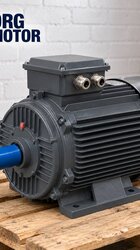
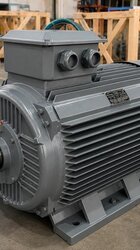
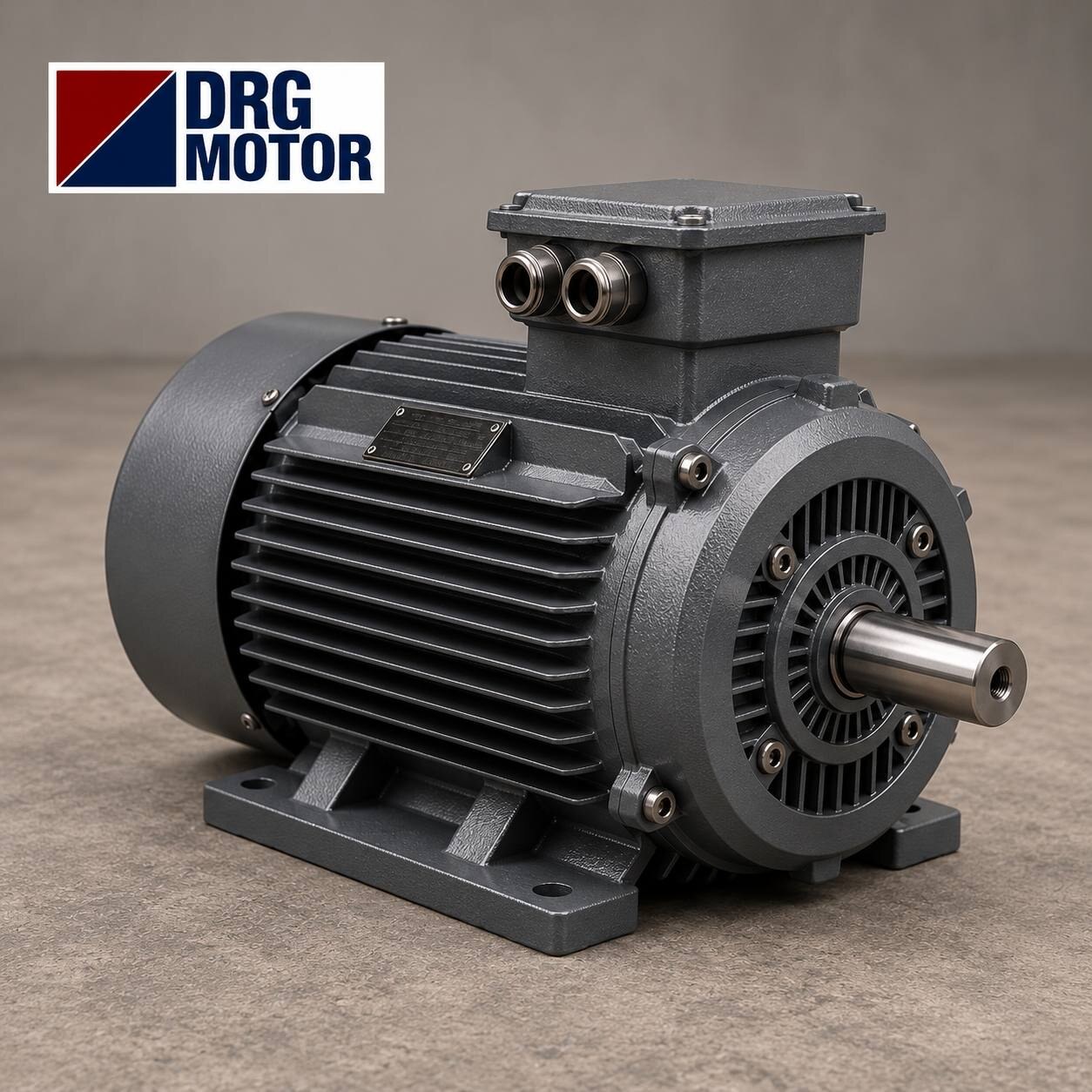

The safe operation of an electric motor depends on correct selection and maintenance, and on proper grounding. Grounding safely conducts any leakage currents that may appear on the motor frame down to earth, protecting both people from electric shock and the motor from damage. This simple precaution is often overlooked, yet it is in fact the foundation of safety for both life and property. So why is grounding so important in electric motors?
At DRG Motor, this article explains what motor grounding is and why it is so vital. For general background on the safe use of motors, you can read our article on what an electric motor is, which sets the scene for the safety topics covered here.
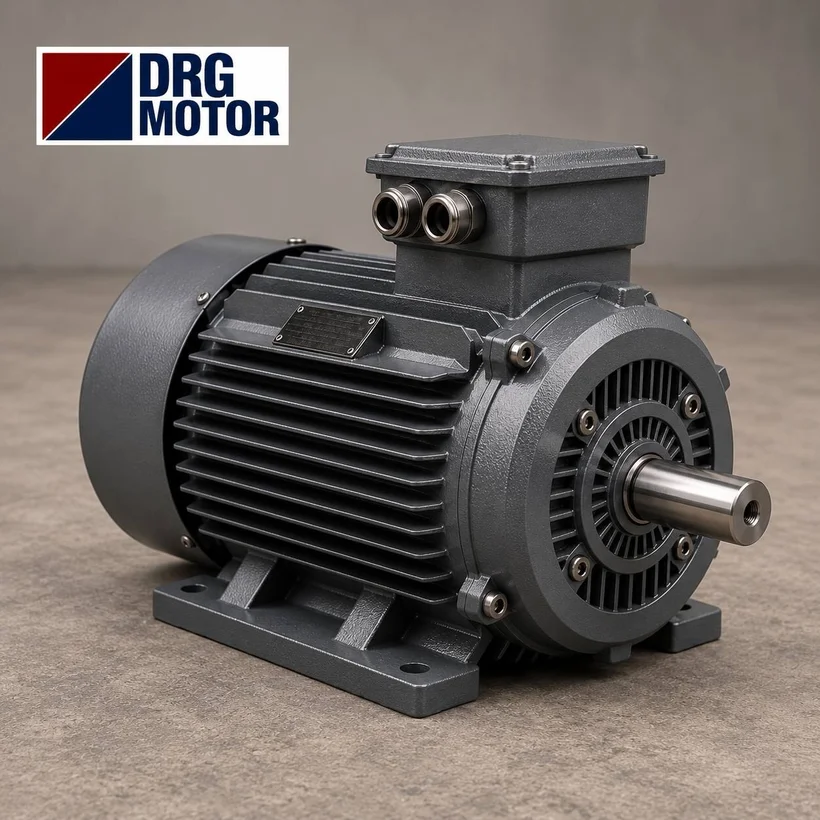
What Is Grounding?
Grounding is the system that allows leakage currents or overvoltages occurring in an electrical installation to be transferred to earth in a controlled way. The frame of the motor is connected to earth through a grounding conductor, so that any leakage current flows through the earth line rather than through a person. Grounding is the cornerstone of electrical safety.
This simple system prevents serious hazards. That alone is what makes it vital to every installation.
Why Is Grounding Done?
The basic purpose of grounding is to safely channel leakage currents on a device to earth. In the event of an insulation fault, the motor frame can become live. Without grounding, anyone who touches that frame is exposed to electric shock. Grounding removes this danger entirely.
Grounding directs the current along a safe path at the moment of a fault. This is precisely what protects human life.
Protecting Human Life
The most important function of grounding is to protect people from electric shock. In the event of a leakage, grounding directs the current to earth and protects anyone touching the frame. For this reason, grounding is directly tied to personal safety. Quite simply, grounding saves lives.
Personal safety is the single most critical benefit of grounding. That is what makes it mandatory rather than optional.
Protecting the Motor
Grounding protects people, the motor and any connected equipment. Overvoltages and leakage currents flow safely to earth thanks to grounding, which prevents damage to the motor and the wider system. Grounding therefore also delivers equipment safety.
A protected motor is less affected by voltage fluctuations. This translates directly into a longer service life.
Leakage Current and Grounding
When a motor's insulation degrades over time, leakage current can appear on the frame. Grounding senses this leakage current and directs it to earth. A residual current device (RCD) used together with grounding then disconnects the circuit, providing an extra layer of safety. The result is comprehensive protection.
We explain the importance of insulation in our article on insulation class. Grounding is what comes into play when that insulation eventually fails.
Grounding the Motor Frame
The frames of electric motors must always be grounded. The motor frame is connected to the grounding terminal in the terminal box, and from there to the installation's earth line. This connection ensures the frame is safely grounded. A correct connection is the foundation of safety.
Frame grounding is the first step in the safe use of a motor. It is the mark of a deliberate, properly executed installation.
A Legal Requirement
Because it is so important for human life, grounding is a legal requirement. The relevant regulations mandate the grounding of electrical devices and motors. Failing to ground a motor means both legal liability and a serious safety risk. For this reason, grounding must never be neglected.
Legal compliance underlines the importance of grounding once again. Observing it is part of operating responsibly.
Grounding and Service Life
Correct grounding both extends the life of equipment and protects life and property. A motor protected from voltage fluctuations lasts longer. For this reason, grounding indirectly contributes to motor life as well. This is a benefit that pays off over the long term.
A protected motor is both safe and long-lived. That dual advantage is one of the lasting benefits of grounding.
Grounding Resistance
For grounding to be effective, the grounding resistance must be sufficiently low. High grounding resistance prevents leakage current from flowing away quickly enough. For this reason, grounding resistance must be measured and kept at an appropriate level. The correct resistance ensures effective protection.
Low grounding resistance allows leakage current to dissipate rapidly. That rapid path to earth is the basis of safety.
Checking the Grounding
The grounding system must be inspected regularly. Connections that loosen over time, or rising grounding resistance, weaken the protection. Periodic checks keep the grounding effective. This means continuous, dependable safety.
We outline maintenance principles in our article on electric motor maintenance steps. Checking the grounding is an integral part of routine maintenance.
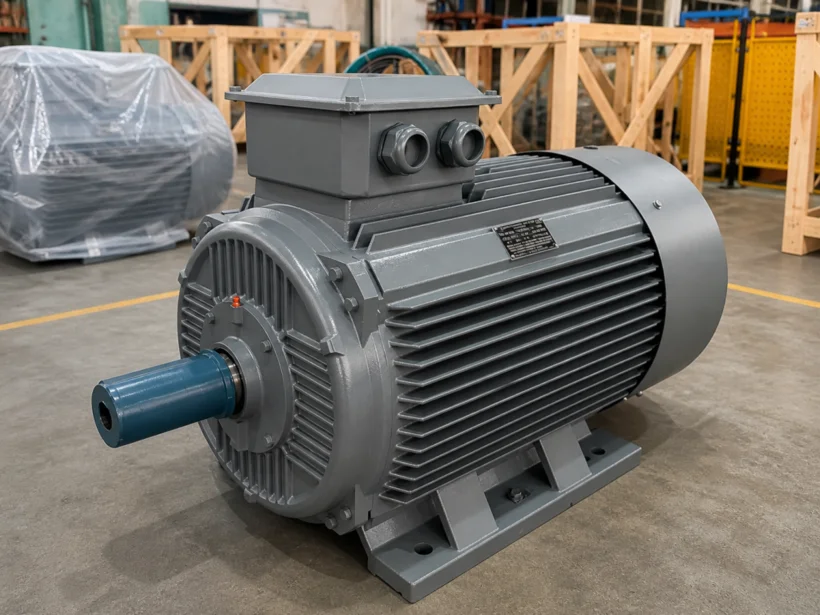
Types of Grounding
Grounding is divided into types such as protective grounding and functional (system) grounding. Protective grounding ensures personal safety, while functional grounding supports the proper operation of the system. In motors, protective grounding is applied first and foremost. This is the foundation of safety.
Each type of grounding serves a different purpose. Together they provide comprehensive protection.
The Grounding Conductor
The grounding conductor is the cable that connects the motor frame to the earth line. The cross-section of this conductor must be large enough to carry the leakage current safely. A conductor of insufficient cross-section weakens the protection. The correct conductor ensures effective grounding.
Conductor cross-section is important for the effectiveness of grounding. It depends on a correct, well-sized installation.
Grounding in the Terminal Box
In the terminal box of a motor, alongside the phase connections, there is also a grounding terminal. The grounding conductor is connected to this terminal. A solid, correct connection ensures effective grounding. This means safe operation.
The grounding point in the terminal box is at the very heart of a motor's safety. It demands careful, attentive installation.
The Residual Current Device
Grounding provides the most effective protection when used together with a residual current device (RCD). The RCD detects even a small leakage current and disconnects the circuit, protecting people and equipment alike. Grounding and the RCD together offer complete protection.
The RCD is a safety element that complements grounding. The pairing delivers truly comprehensive protection.
Grounding and Moisture
In damp environments, the risk of electric shock is higher, which makes grounding even more critical. For water pumps and motors in humid facilities, correct grounding is of vital importance. Moisture is a factor that raises the importance of grounding. This is essential to safe operation.
In damp environments, grounding is the foundation of personal safety. It calls for especially careful installation.
Grounding and Static Electricity
Grounding also prevents the build-up of static electricity. In some applications, accumulated static can create sparks and hazards. Grounding safely discharges this static charge. This is particularly important in flammable environments.
In explosive atmospheres, grounding provides an extra measure of safety. It reduces the risk of fire considerably.
Grounding in Explosive Atmospheres
In explosive atmospheres, static electricity and leakage-current sparks pose a major danger. Correct grounding prevents these sparks and reduces the risk of explosion. In these environments, grounding is vital alongside explosion-proof protection. This is the foundation of safety.
We explain motors for hazardous areas in our article on explosion-proof electric motors. Grounding is absolutely critical in these settings.
Grounding and Voltage Fluctuations
Grounding reduces the impact of voltage fluctuations and overvoltages. Overvoltages from lightning or the grid flow safely to earth thanks to grounding, protecting the motor and connected equipment. Grounding therefore also guards against voltage-related problems.
Overvoltage can damage a motor without grounding. This clearly demonstrates how important grounding is.
Grounding and Maintenance
The grounding system is an inseparable part of motor maintenance. The integrity and resistance of the grounding connection must be checked periodically. A grounding that loosens or deteriorates weakens the protection. For this reason, grounding maintenance is important.
Regular grounding checks ensure continuous safety. This is the mark of conscientious maintenance.
The Integrity of the Grounding Connection
The grounding connection must be solid and free of oxidation. A loose or corroded connection reduces the effectiveness of the grounding. A solid connection allows leakage current to flow safely to earth. This means effective protection.
A sound grounding connection ensures the continuity of safety. It calls for regular inspection.
Grounding and Workplace Safety
Grounding is a fundamental part of worker safety in the workplace. Correctly grounded motors protect employees from the risk of electric shock. For this reason, grounding is an important element of occupational health and safety. This reflects a responsible operating philosophy.
Workplace safety begins with correct grounding. It is what keeps employees protected.
Grounding and Motor Type
All motor types, whether single-phase or three-phase, must be grounded. Grounding the motor frame is necessary for safety in every case. Whatever the motor type, grounding must not be neglected. This is a universal safety rule.
Every motor requires grounding. It is the foundation of safe operation across the board.
Grounding and Installation
During the installation of a motor, the grounding connection must be made correctly. Incorrect or missing grounding creates a safety risk. Paying attention to grounding at the installation stage ensures a safe start. This is the mark of a deliberate installation.
Correct installation is the foundation of effective grounding. It is what ensures safe operation.
Grounding Tests
Whether grounding is effective can be measured with dedicated test instruments. Measuring the grounding resistance confirms that the system is safe. Regular testing keeps the grounding continuously effective. This is the guarantee of safety.
Grounding tests verify safety. This is the mark of a responsible approach.
Grounding and Energy Monitoring
Modern monitoring systems can also track leakage currents and grounding problems. This monitoring makes it possible to catch grounding faults early. The result is both safety and continuity. Monitoring covers grounding as well.
We explain energy monitoring in our article on energy monitoring. Monitoring helps catch grounding problems before they escalate.
The Consequences of Grounding Faults
Inadequate or faulty grounding creates the risk of electric shock, equipment damage and even fire. These faults can have serious consequences. For this reason, grounding must be carried out correctly and carefully. Correct grounding eliminates these risks.
Grounding faults can lead to irreversible consequences. This shows just how important grounding is.
Grounding and System Reliability
Correct grounding provides safety and system reliability. A protected motor is less affected by voltage problems and runs more dependably. For this reason, grounding also contributes to reliability. This means uninterrupted operation.
A reliable system is supported by correct grounding. It is what enables long-lived, dependable operation.
Grounding Awareness
Being aware of grounding protects both life and property. Knowing why grounding is necessary and how it is done ensures safe use. This awareness is part of a responsible operating mindset. It is fundamental to safe operation.
Grounding awareness is the foundation of safety. It reflects a conscientious approach.
Grounding and a Quality Motor
A well-built motor comes with a solid grounding terminal, which makes a correct and safe grounding connection easier to achieve. In cheap motors, the grounding connection can be weak. For this reason, a quality motor also provides assurance in terms of grounding.
A quality motor supports safe grounding. Choosing one is part of a deliberate, informed decision.
Grounding Standards
Grounding must be carried out in accordance with national and international electrical safety standards. These standards define how grounding is to be done and what conditions it must satisfy. Compliance with the standards means safe grounding. This is both a legal and a technical requirement.
Standards-compliant grounding is the guarantee of safety. It is the mark of a responsible installation.
The Total Value of Grounding
Grounding provides personal safety, motor protection, system reliability and legal compliance. These benefits make grounding indispensable for every motor. This simple but vital precaution must never be neglected. Correct grounding is the foundation of safe operation.
The value of grounding is measured by the safety it provides. It is one of the most worthwhile precautions of all.
Correct Grounding With Expert Support
Correct grounding requires technical knowledge and a proper installation. Consulting an expert ensures that your motor is correctly grounded. The right support safeguards both safety and reliability. Expert assessment is the key to correct grounding.
At DRG Motor, we provide technical support for safe motor selection and installation. Correct grounding ensures safe operation.
Grounding and Lightning Protection
Motors operating outdoors can be exposed to overvoltage risk from lightning. Correct grounding safely directs the overvoltage created by lightning to earth, protecting the motor and the system from lightning damage. Grounding provides extra protection in outdoor applications.
Lightning protection raises the importance of grounding in outdoor motors. It calls for a careful installation.
Grounding and the Frequency Inverter
In motors driven by a frequency inverter, correct grounding is even more important. Inverters can generate leakage currents and noise, and grounding manages these safely. Correct grounding ensures the safe operation of inverter-driven systems. This means a well-matched system.
We discuss inverter and motor compatibility in our article on frequency inverters and energy saving. Grounding is critical in inverter-driven systems.
The Cost and Value of Grounding
Grounding provides a great deal of safety at a small cost. Preventing a single electric shock or fire is worth far more than the cost of grounding. For this reason, grounding is an extremely economical safety measure. It is a sensible investment.
The value of grounding is measured by the dangers it prevents. That is what makes it indispensable.
Grounding Always Comes First
No matter how high the quality of a motor, it cannot be considered safe without grounding. Grounding is a step in motor installation that must never be neglected. For this reason, grounding takes priority in every motor installation. Safety always comes first.
Grounding is an indispensable part of a safe installation. It reflects a responsible approach.
DRG Motor for Correct Grounding
At DRG Motor, we offer safe, quality motors equipped with a grounding terminal. Our goal is to ensure that your motor operates both safely and reliably with correct grounding. We also provide technical support for installation and grounding.
To choose a safe, quality motor and to receive technical support, you can get in touch with DRG Motor and explore our range on the our products page, or visit our homepage. Correct grounding is the foundation of the safety of your motor and your employees.