 English
 Le français
 Türkçe

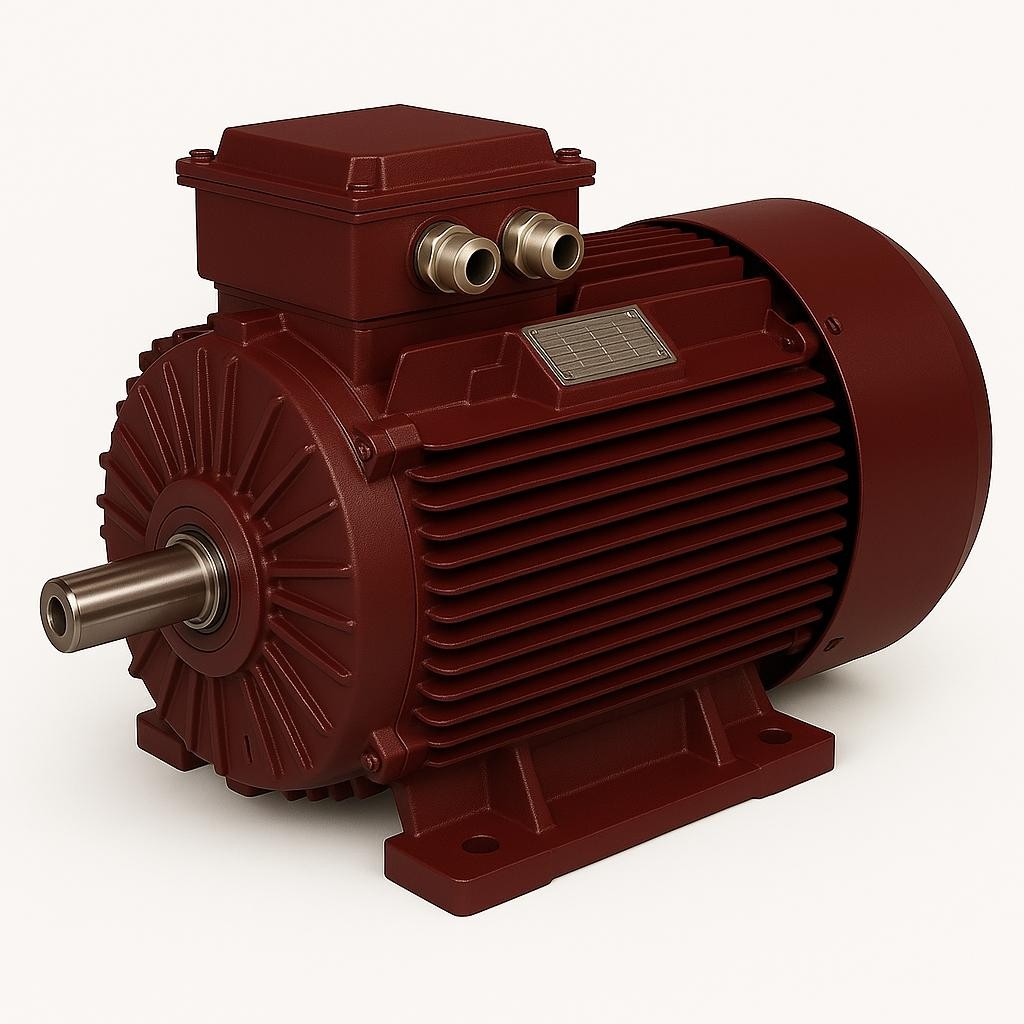

Rotor Copper Wound Electric Motors
Contact: +90 (542) 666 11 11
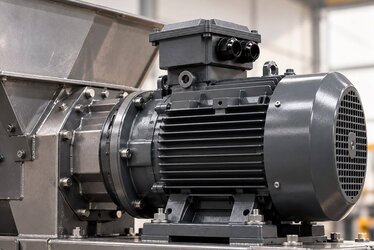
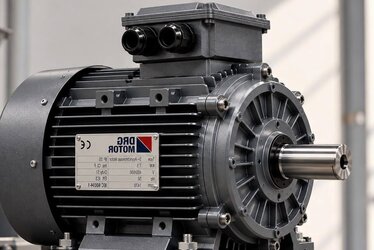
An electric motor is an electromechanical device that converts electrical energy into mechanical energy. It is one of the fundamental components of modern technology, powering systems ranging from simple household appliances to complex industrial production lines. From a small fan to large-scale manufacturing equipment, motion is made possible by electric motors.
What Is an Electric Motor?
At its core, an electric motor operates based on the interaction between magnetic fields and electric current. When an electric current flows through a conductor, it generates a magnetic field. This magnetic field interacts with another magnetic field inside the motor, producing rotational motion. That rotation is transferred through a shaft, converting electrical energy into usable mechanical work.
The main components of an electric motor include:
-
Stator: The stationary part that generates the magnetic field.
-
Rotor: The rotating part that produces motion.
-
Shaft: Transfers mechanical energy to the external system.
-
Windings and Magnetic Core: Enable and guide the magnetic field.
What Does an Electric Motor Do?
The primary function of an electric motor is to generate motion, typically rotational motion. This motion enables machines and systems to operate. For example:
-
Pumping water in a water pump
-
Compressing air in a compressor
-
Moving products on a conveyor belt
-
Driving the wheels in an electric vehicle
Compared to internal combustion engines, electric motors offer significantly higher efficiency. This results in lower energy consumption, reduced operating costs, and improved environmental performance.
How Does an Electric Motor Work?
Electric motors rely on electromagnetic force. In simple terms, when a current-carrying conductor is placed within a magnetic field, a force is generated. This force creates rotational movement.
The working process can be summarized as follows:
-
Electrical energy is supplied to the motor windings.
-
A magnetic field is generated.
-
The magnetic interaction produces force on the rotor.
-
The rotor begins to rotate.
-
Mechanical energy is transmitted through the shaft.
There are two primary types of electric motors: AC (alternating current) and DC (direct current) motors. AC motors are widely used in industrial applications, while DC motors are often preferred for applications requiring precise speed control. Modern drive systems allow accurate control of speed, torque, and direction.
Machines They Drive
Electric motors are present in nearly every sector:
1. Industry and Manufacturing
Production lines, CNC machines, compressors, and pumps rely heavily on electric motors for continuous and reliable operation.
2. Automotive Sector
Electric vehicles use electric motors for traction. In addition, many auxiliary systems such as window mechanisms and cooling fans also operate with small motors.
3. Household Appliances
Washing machines, refrigerators, air conditioners, vacuum cleaners, and mixers all depend on electric motors.
4. Energy and Infrastructure
Water treatment facilities, booster systems, and renewable energy applications use electric motors in critical processes.
5. Robotics and Automation
Advanced motion control systems in robotics and automation are made possible by high-precision motor technologies.
Efficiency and Performance in Electric Motors
Efficiency directly affects energy consumption and operating costs. High-efficiency motors generate less heat, offer longer service life, and reduce maintenance requirements. Therefore, selecting the right motor is crucial from both technical and economic perspectives.
Key parameters in motor selection include power rating, rotational speed (RPM), torque, protection class (IP), insulation class, and environmental conditions.
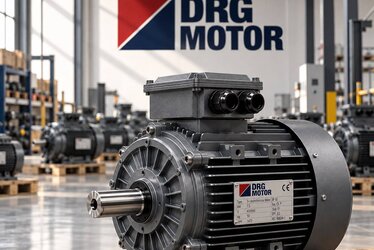
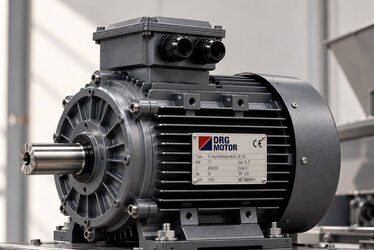
In this context, DRG Motor stands out with its engineering strength, performance reliability, and technical quality, earning recognition for its strong presence in motor technologies.
Before You Order
Electric motors are the unseen heroes of modern life. By converting electrical energy into motion, they carry the load across industries and everyday applications. Based on electromagnetic principles and continuously evolving technology, electric motors are becoming more efficient, more compact, and more powerful.
Choosing a properly designed and well-engineered motor directly impacts system performance. For this reason, technical expertise and quality awareness are essential in the world of electric motor technology.