English
 Le français
 Türkçe

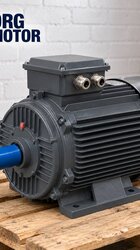
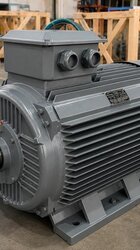
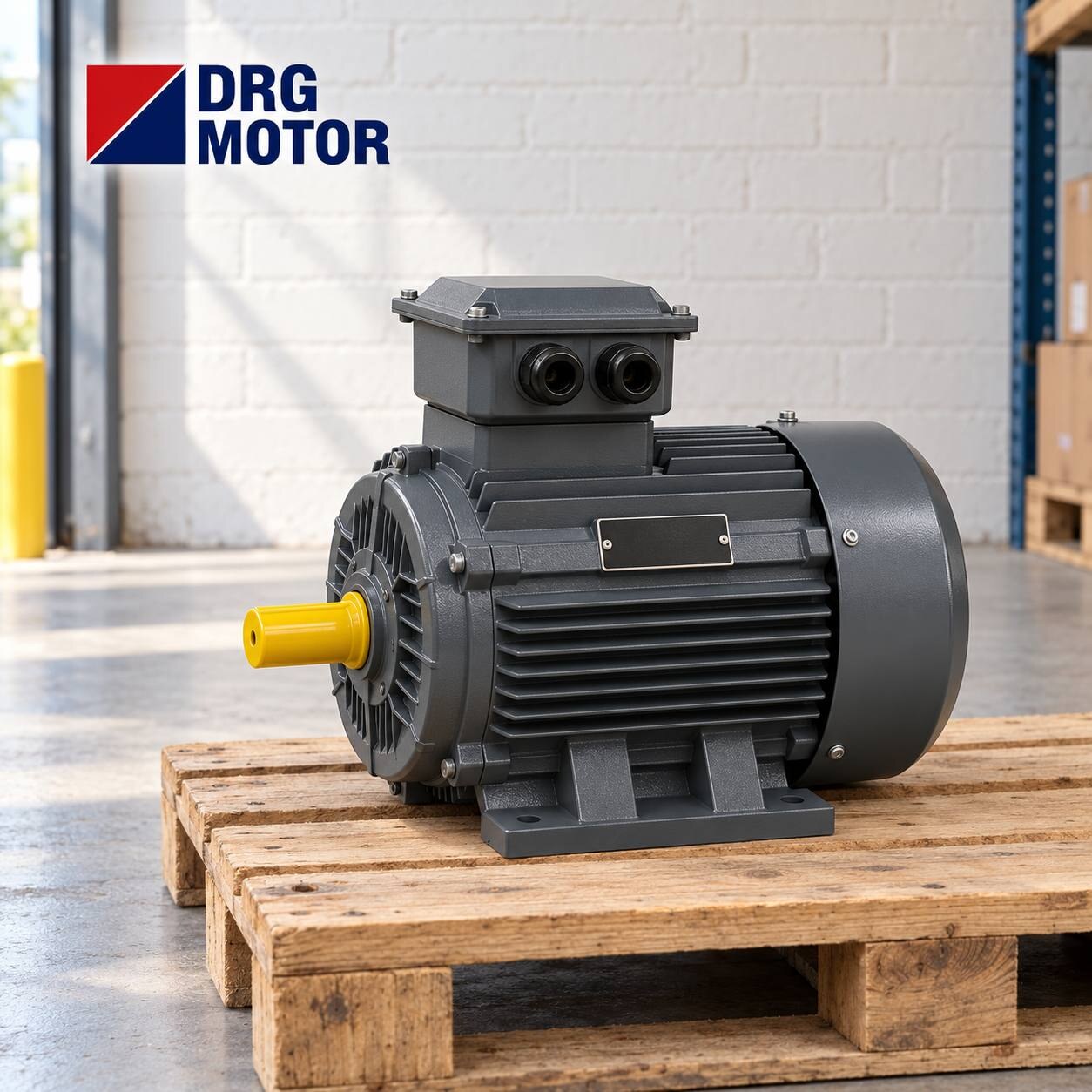

The most heavily worn and most frequently failing component of an electric motor is its bearings. A significant share of motor faults stems directly from bearing problems. Well-maintained bearings let a motor run trouble-free for years, while neglected bearings lead to unexpected stoppages and costly repairs. Extending bearing life therefore means, in effect, extending motor life. So what are the ways to extend bearing life in an electric motor?
At DRG Motor, in this article we examine the factors that affect bearing life and the ways to keep bearings healthy for a long time. You can find general motor maintenance in our article on electric motor maintenance steps.
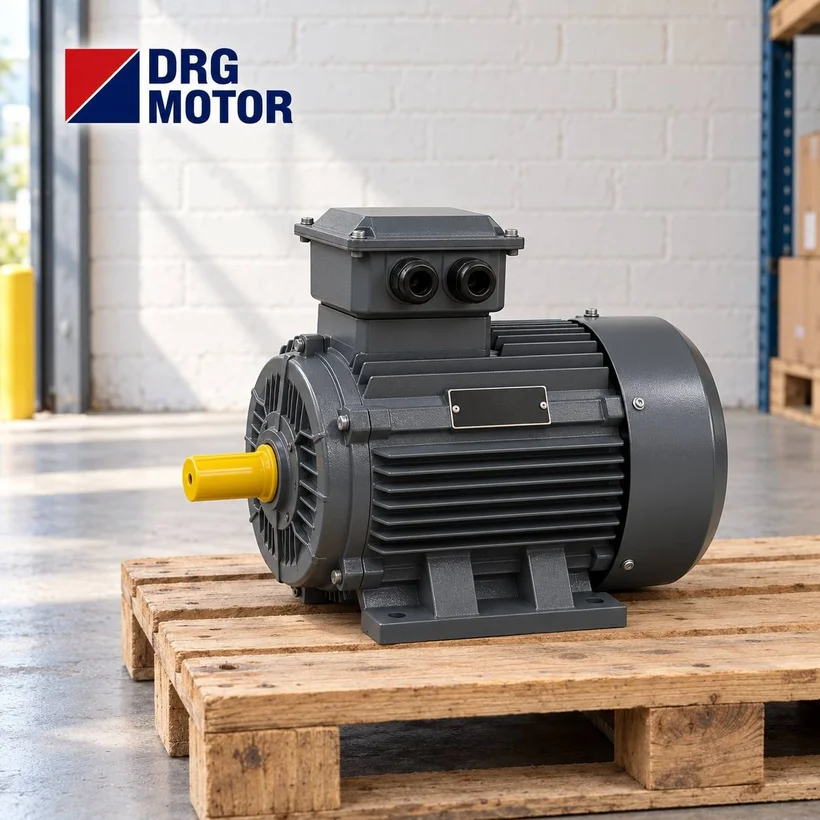
The Role of the Bearing in the Motor
The bearing is the component that allows the motor shaft to turn frictionlessly and in balance. It supports the shaft at both ends and carries the load during rotation. Without bearings, the shaft would wear and heat quickly due to friction. The bearing is therefore the basic component behind a motor's quiet, efficient and long-lived operation.
Bearing health directly affects motor performance. A healthy bearing provides balanced, vibration-free rotation.
Why Do Bearings Wear?
Bearings wear over time depending on load, speed, temperature and lubrication conditions. Excessive load, insufficient lubrication, dirt, moisture and misalignment all accelerate wear. Even under normal conditions, bearings have a finite life. With correct use and maintenance, however, this life can be extended significantly.
Understanding the cause of wear is the first step in extending life. Most early wear stems from preventable causes.
Correct Lubrication
The most important way to extend bearing life is correct lubrication. Lubrication forms a film between the bearing surfaces, reducing friction and wear. Lubricating at intervals and in amounts in line with the supplier's instructions keeps the bearings turning cool and trouble-free. Lubrication should be carried out while the motor is stopped.
Regular, correct lubrication noticeably extends bearing life, contributing directly to the overall health of the motor.
Over- and Under-Lubrication
Balance matters in lubrication; both insufficient and excessive lubrication are harmful. Insufficient lubrication increases friction and heating, while excessive lubrication causes the bearing to overheat and the grease to degrade. The amount recommended by the supplier should therefore not be exceeded. The correct amount is the key to bearing health.
The "neither too much nor too little" principle applies in lubrication. The correct balance protects the bearing in the best way.
Choosing the Right Grease
The type of grease used also affects bearing life. Grease suited to the motor's operating temperature, speed and environment should be chosen. The wrong grease melts at high temperature or hardens in the cold; both situations strain the bearing. The right grease keeps the bearing protected under all conditions.
Among the different grease types, the one suited to the motor's needs is selected. This choice should be made according to the supplier's recommendation.
Correct Alignment
The alignment between the motor and the equipment it drives is critical for bearing life. Misalignment places uneven load on the bearings and causes them to wear quickly. Proper alignment ensures the load is distributed evenly and the bearings wear uniformly. Mounting and alignment should therefore be carried out carefully.
Periodic alignment checks correct settings that drift over time. Correct alignment extends bearing life significantly.
Reducing Vibration
Excessive vibration is one of the greatest enemies of bearings. An unbalanced rotor, misalignment or a loose mounting generates vibration and strains the bearings. Reducing vibration directly extends bearing life. Vibration sources should therefore be eliminated.
A balanced motor and a solid mounting minimise vibration, keeping the bearings healthy for a long time.
Avoiding Overload
Running the motor above its capacity places extra load on the bearings and accelerates their wear. Overload strains both the motor and the bearings. The motor should therefore be operated within its rated values. Correct power selection prevents overload.
You can find the power options in our power (kW) and speed table. The right power preserves bearing life.
Keeping Temperature Under Control
High temperature shortens the life of the bearing grease and causes the bearing to wear quickly. Keeping the motor's operating temperature low lets the grease last longer and the bearings live longer. Heat control is therefore directly related to bearing life. We explain the ways to prevent overheating in our article on electric motor temperature control.
Preventing Moisture and Water Ingress
Moisture and water degrade the bearing grease and cause rust on the bearing surfaces. This leads to rapid bearing failure. A high IP protection class and solid seals prevent moisture and water ingress. The protection class appropriate to the environment is therefore important. In motors operating in humid environments, water tightness is critical, and correct protection shields the bearings from moisture.
Keeping Out Dust and Dirt
Dust and dirt particles that enter the bearing act abrasively and wear it out quickly. In dusty environments this risk is higher. A high protection class and regular cleaning prevent dust and dirt from reaching the bearing, extending its life. A clean working environment and a protected motor keep the bearings free of dirt; this is a simple yet effective measure.
Mounting Quality
Mounting the bearing correctly is critical for its life. Improper mounting can damage the bearing or place uneven load on it. The bearing should be fitted with the proper tools and the correct technique. Quality mounting ensures the bearing runs healthily from day one. Wrong mounting shortens bearing life the moment it is fitted, so mounting is a task that requires expertise.
Choosing the Right Bearing Type
Each application may require a different bearing type. Radial load, axial load or combined load determines the bearing type. The right bearing type carries the load in the best way and ensures a long life. The wrong type means rapid wear and failure. A quality bearing suited to the application is the foundation of motor durability; the right choice maximises bearing life.
Belt Tension and Axial Load
In motors running with belts and pulleys, excessive belt tension places extra load on the bearings. Correct belt tension ensures the bearings carry an even, balanced load. An over-tight or loose belt shortens bearing life. Belt adjustment should therefore be carried out carefully. The correct tension protects both the bearing and the belt, ensuring balanced operation of the system.
Early Failure Signs
Bearing failure has early signs: abnormal noise, increased vibration, rising temperature and loss of performance. If these signs are noticed early, the bearing can be replaced before it turns into a major failure. Early intervention protects both the motor and the budget. Paying attention to these signs lets bearing problems be caught in time and prevents unplanned stoppages.
Listening and Vibration Monitoring
Listening to a motor's sound and monitoring its vibration are effective ways to track bearing health. Sounds such as clicking, squealing or whining herald bearing failure. Regular listening lets problems be noticed early. This simple monitoring prevents major failures. Abnormal noise is a warning to be taken seriously, and timely intervention makes bearing replacement a planned event.
Temperature Measurement
Measuring the temperature of the bearing area lets overheating be caught early. Measurements taken with a thermal camera or contact thermometer reveal an abnormal rise in bearing temperature. This rise is often a sign of insufficient lubrication or overload. Regular measurement is a way to monitor bearing health and allows for timely intervention.
The Importance of Quality Bearings
The quality of the bearing itself directly affects its life. Quality bearings last longer and require less maintenance. Cheap, low-quality bearings, by contrast, fail quickly. Using quality bearings at replacement is therefore important. A quality bearing is part of a quality motor, which means a long life and reliability.
Knowing When to Replace
Bearings should be replaced when signs appear or when they reach the end of their projected life. Waiting for the failure to grow can cause greater damage to the motor. A timely bearing replacement protects the motor and prevents major repairs. The replacement time should therefore be determined correctly. Planned bearing replacement prevents unexpected stoppages and preserves production continuity.
Bearings and Motor Efficiency
Healthy bearings reduce friction and contribute to efficient motor operation. Worn bearings, on the other hand, increase friction and energy loss. Bearing maintenance therefore indirectly provides energy savings as well. An efficient motor is possible with healthy bearings. Bearing health preserves both life and efficiency, supporting the motor's total performance.
Correct Storage
Correctly storing spare bearings and motors that will not run for a long time also affects bearing life. Bearings stored in a humid environment can rust or their grease can degrade. Storage in a dry, clean environment keeps the bearings ready for use. Correct storage protects the bearing before use. In motors left idle for a long time, a bearing check before start-up is important and ensures a safe start.
Bearings and a Balanced Rotor
When the motor's rotor is balanced, the load on the bearings is also balanced. An unbalanced rotor generates vibration and strains the bearings. A balanced rotor therefore indirectly extends bearing life. Quality production means a balanced rotor and healthy bearings. We explain the importance of rotor quality in our article on rotor copper-wound electric motors.
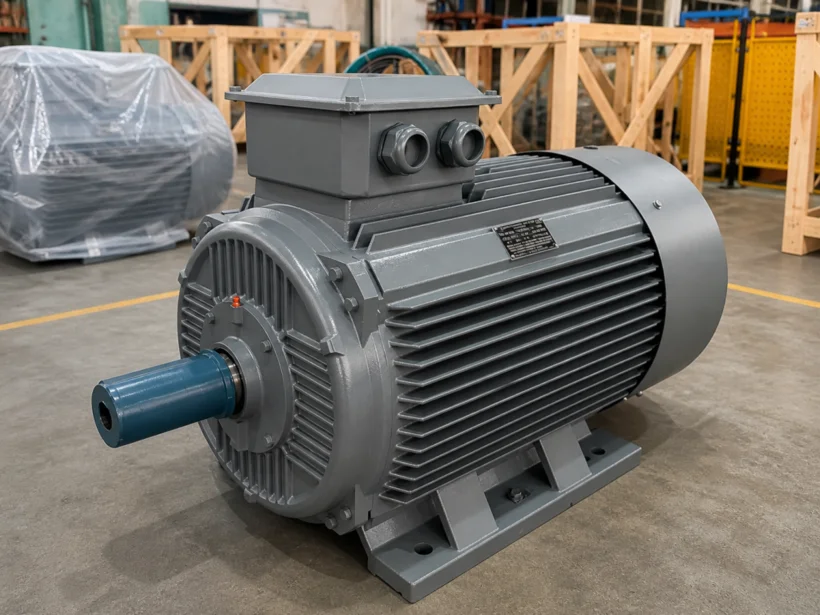
Bearing Clearance and Adjustment
The internal clearance of the bearing should be such that it accommodates the load and temperature. Clearance that is too tight or too wide causes the bearing to be strained. Correct clearance adjustment ensures the bearing turns in balance and trouble-free. This adjustment is made carefully during mounting. Wrong clearance means heating and early wear, while the correct setting gives the bearing a long life.
Axial and Radial Load Balance
Bearings carry both axial and radial loads. Keeping these loads balanced is important for bearing life. Excessive axial or radial load strains the bearing from one direction and wears it quickly. Correct design and mounting provide load balance. Achieving load balance ensures the bearing wears evenly and noticeably extends its life.
Operating Speed and the Bearing
The motor's speed affects the load and heating on the bearing. In high-speed motors, the bearings are strained more and may require more frequent lubrication. Operating speed is a factor that affects the lubrication interval and bearing selection. The right bearing should be chosen to suit the speed. High speed requires more attention in bearing maintenance, making an application-specific maintenance plan important.
The Relationship Between Bearings and Noise
A healthy bearing runs quietly; an increase in noise heralds a problem. A clicking or humming from the bearing can mean a lack of lubrication or wear. Noise is therefore an important indicator of bearing health. Quiet operation means a healthy bearing. Monitoring changes in noise lets bearing problems be caught early and makes timely intervention possible.
A Periodic Inspection Plan
Inspecting bearings at regular intervals lets problems be noticed early. Lubrication, temperature, vibration and noise are the basic headings of periodic inspection. Planned inspection makes bearing maintenance systematic, preventing unexpected failures. A maintenance schedule ensures bearing checks are not skipped; order is the key to bearing life.
Setting the Lubrication Interval
Lubrication frequency is determined by motor speed, operating temperature and ambient conditions. Motors running continuously and at high temperature require more frequent lubrication. Supplier recommendations are the basic guide for setting the correct lubrication interval. The correct interval keeps the bearing under a continuously protected film, and adjusting the interval to the environment extends bearing life.
Excess Grease Relief
Some motors have a system through which excess grease can be relieved. This system prevents the heating caused by over-lubrication. A grease relief path prevents pressure from building up in the bearing area, protecting the bearing. A correctly working relief system reduces the effect of lubrication errors and supports bearing health.
Cleanliness During Bearing Replacement
During bearing replacement, the cleanliness of the bearing seat is critical. Dust or dirt particles that enter the seat wear the new bearing quickly. Replacement should therefore be carried out under clean conditions and carefully. Cleanliness ensures the new bearing has a long life. A dirty installation causes even the new bearing to fail quickly, so cleanliness is an important part of replacement.
Correct Operating Direction of the Motor
Correct alignment of the motor and the connected system keeps the load on the bearings balanced. Axial offset or angular misalignment strains the bearings. Alignment is therefore important both during initial mounting and in periodic inspection. Correct alignment preserves bearing life, and regular alignment checks correct settings that drift over time.
The Bearing Advantage of a Quality Motor
A quality-built motor comes with quality bearings and correct design from the start. This results in fewer bearing-related failures. Cheap motors, by contrast, frequently have problems with low-quality bearings. A quality motor is therefore advantageous in terms of bearings as well. Choosing a quality motor reduces bearing problems from the outset, saving maintenance and cost in the long run.
Catching Faults Early
Regular bearing maintenance extends motor life, reduces failures, preserves efficiency and supports production continuity. When these benefits are considered together, the value of bearing maintenance is not limited to the bearings alone. Well-maintained bearings protect the health of the entire motor. Bearing maintenance is therefore an indispensable part of motor management, delivering great gains with little effort.
DRG Motor for Long-Lived Bearings
At DRG Motor, we offer long-lived motors equipped with quality bearings, a balanced rotor and a solid body. Our aim is to ensure your motor's bearings run trouble-free for years with correct maintenance and use. With quality components and correct design, we minimise bearing-related failures.
To select a motor with long-lived, quality bearings and to receive technical support on maintenance, you can contact DRG Motor and explore our range on the products page, or visit our home page. Healthy bearings are the assurance of your motor's quiet and long-lived operation.