 English
 Le français
 Türkçe
Slip in Induction Motors and Its Effects
The key to understanding how asynchronous motors work lies in a single concept: slip. This phenomenon, which sounds like a flaw when first heard, is actually an absolute requireme... More Details

Knowing the basics is essential to choosing the right motor. In this category you will find guide content on the electric motor working principle, motor types, efficiency classes and selection criteria. Get to know the world of motors with the technical knowledge of the DRG Motor expert team.
For the right motor, power (kW), speed (rpm), efficiency class, body material and mounting type should be considered together. Our high efficiency motors page guides you on efficiency and the power and speed options page on power/speed.
What is the difference between asynchronous and synchronous motors? In an asynchronous motor the rotor turns slightly slower than the magnetic field; in a synchronous motor it turns at the same speed.
Why is motor efficiency important? High efficiency does the same work with less electricity, lowering operating costs.
DRG Motor supports businesses on both the product and knowledge side. By reviewing this guide content you can choose the right motor more consciously, and contact us via drgmotor.com for technical questions.
Motor efficiency is classified as IE1 (Standard), IE2 (High), IE3 (Premium), IE4 (Super Premium) and IE5 (Ultra Premium). The higher the class, the lower the energy loss and the greater the savings. Which class suits you is determined by your running hours and power needs; review our guide content for details.
Which mounting type is needed? Foot (B3) mounting is used in most applications, while flange (B5) or combined (B35) mounting is preferred where direct coupling is required.
The key to understanding how asynchronous motors work lies in a single concept: slip. This phenomenon, which sounds like a flaw when first heard, is actually an absolute requireme... More Details
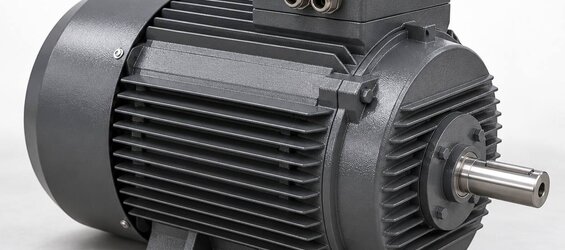
The asynchronous motor, the most widely used type of electric motor in the world, is the true workhorse of industry. Behind countless machines — from pumps to cranes, conveyors to... More Details
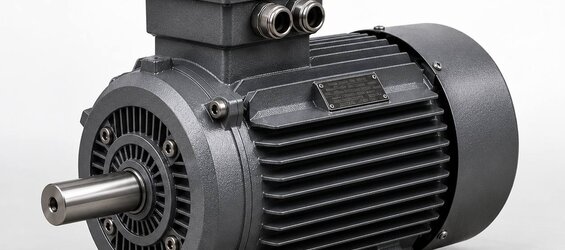
An electric motor is an electromechanical machine that turns the magnetic field created by stator current into rotary motion on the rotor. The torque that lifts a hoist, drives a c... More Details
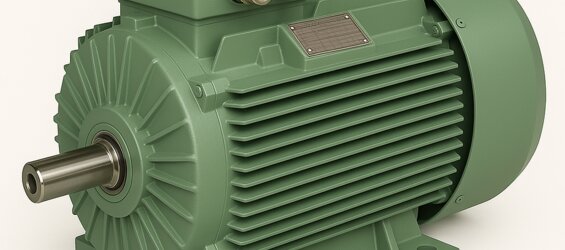
How an Electric Motor Works Contact: +90 (542) 666 11 11 An electric motor is a fundamental electromechanical device that converts electrical energy into mechanical energy, enabl... More Details
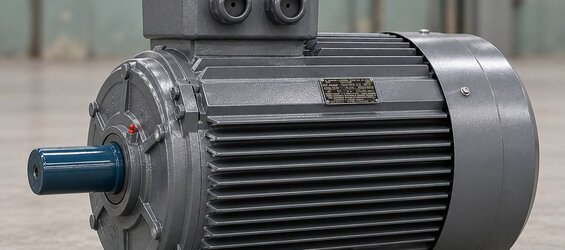
One of the most important measures of how "good" an electric motor is happens to be its efficiency class. The efficiency class shows how much of the electrical energy a motor draw... More Details
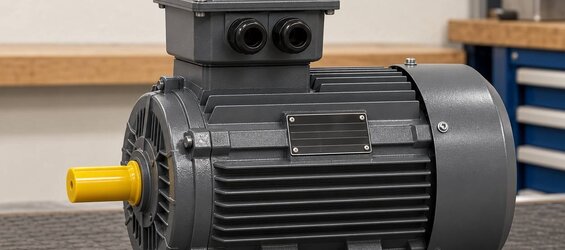
Efficiency in an electric motor shows how much of the electrical energy drawn from the grid becomes mechanical power at the shaft end. The difference turns into heat as winding, ir... More Details
The DRG IE3 motor difference comes down to one principle: doing the same work with less energy. By reducing its losses compared with IE1 and IE2, an IE3 Premium motor delivers a la... More Details
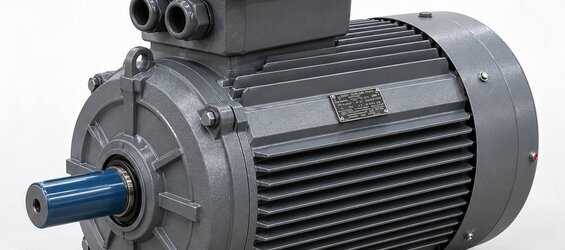
An IE3 motor is an asynchronous electric motor that meets the "Premium Efficiency" class of the IEC 60034-30-1 standard. Mandated in many countries as the minimum efficiency for ce... More Details
The IE3 efficiency class is part of the international IEC 60034-30-1 standard that defines the energy efficiency of electric motors. Called "Premium efficiency," this class sets th... More Details
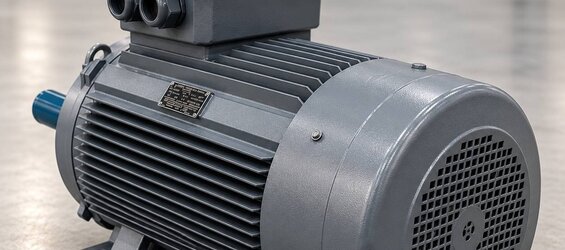
A single-phase induction motor is an AC motor designed for low-power applications fed from the single-phase 230 V supply found in homes and small businesses. Unlike three-phase mot... More Details
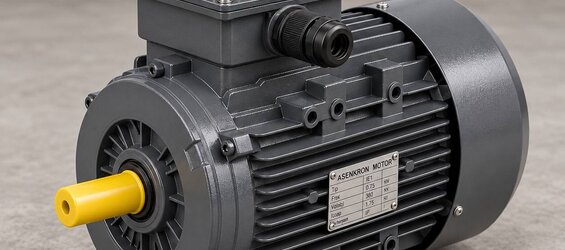
The cast iron housing is one of the most important factors determining an electric motor's mechanical strength and service life. Especially in heavy-industry applications, the diff... More Details
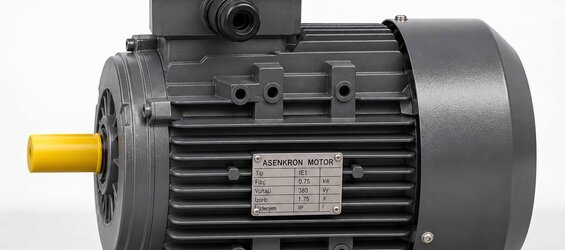
An electric motor is a device that converts electrical energy into mechanical energy to produce motion, making it one of the fundamental components of modern industry. It plays a c... More Details
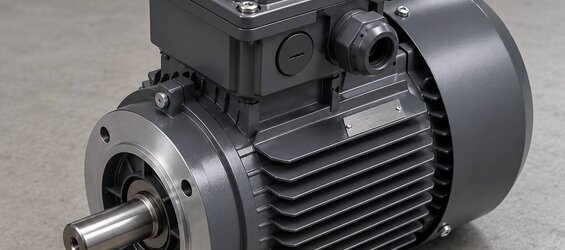
Redüktörlü motor, elektrik motoru ile bir redüktörün (dişli kutusunun) birleşiminden oluşan bir motor türüdür ve amacı, motorun çıkış hızını düşürmek ve torkunu artırmaktır. Elektr... More Details
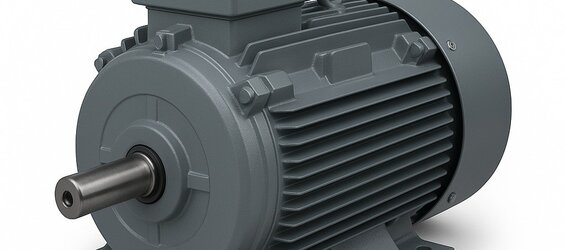
HOW DOES AN ELECTRIC MOTOR WORK? DETAILED EXPLANATION OF AC (ALTERNATING CURRENT) MOTORSAn electric motor is a machine that converts electrical energy into mechanical energy. Thes... More Details
With the right care, an electric motor can run trouble-free for decades; when neglected, it can fail at an unexpected moment and bring production to a halt. The most important fact... More Details
An electric motor heats up to a certain degree while running; this is natural. However, overheating is the motor's greatest enemy. High temperature wears out the insulation, strain... More Details
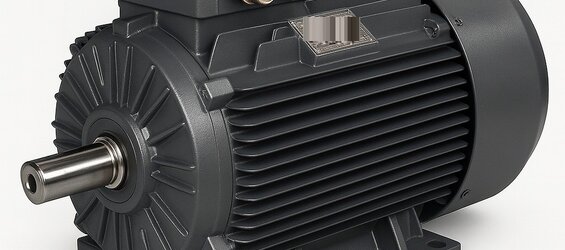
In an electric motor the housing directly determines heat dissipation, mechanical strength and service life. The two most common housing materials in industry are aluminum and cast... More Details
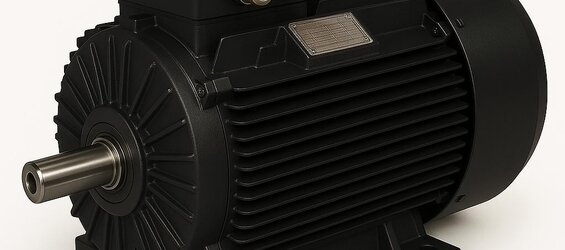
An IE3 electric motor is a high-efficiency three-phase asynchronous motor in the "premium efficiency" class according to the IEC 60034-30 standard. The IE (International Efficiency... More Details
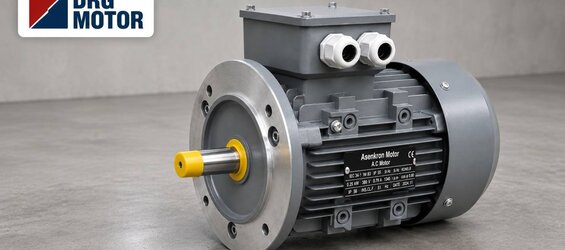
One of the sentences we hear most often on the phone is: "Last time we bought the same motor for less, so why the difference now?" Same nameplate, same power, same frame size; yet ... More Details
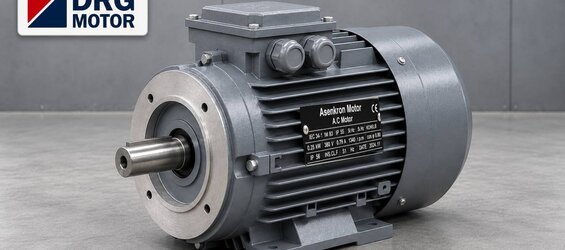
An electric motor can be priced by four different places on the same day: the factory itself, the authorised dealer in your region, the electrical supplies shop in the industrial e... More Details