 English
 Le français
 Türkçe

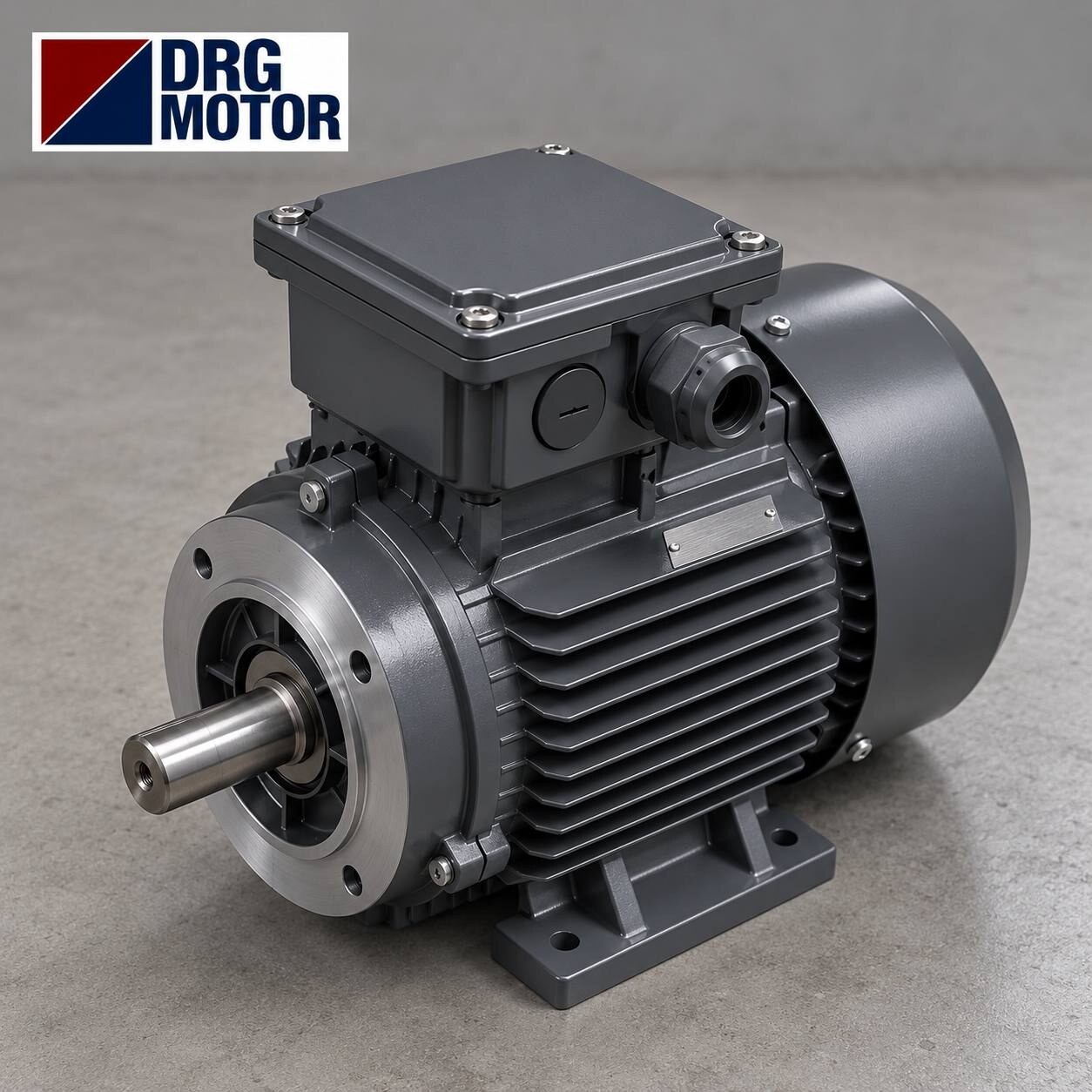

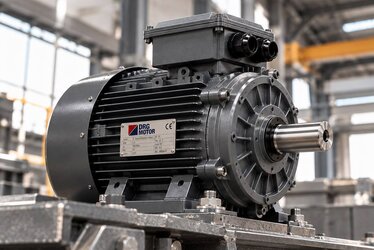
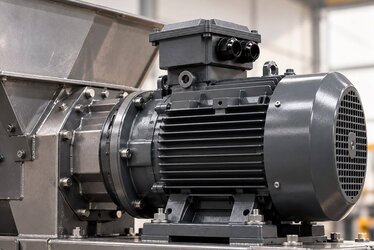
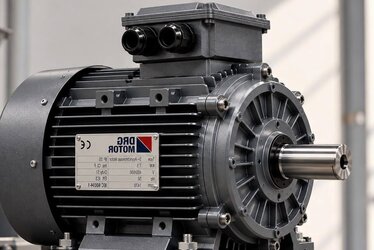
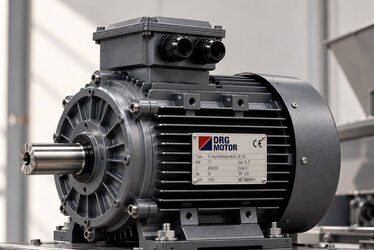
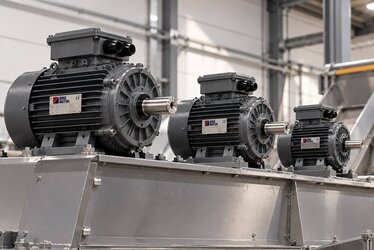
Redüktörlü motor, elektrik motoru ile bir redüktörün (dişli kutusunun) birleşiminden oluşan bir motor türüdür ve amacı, motorun çıkış hızını düşürmek ve torkunu artırmaktır. Elektrik motorları yüksek hızda dönerler ancak çoğu endüstriyel uygulamada yüksek hız yerine yüksek tork gereklidir. İşte burada redüktörlü motorlar devreye girer. Motorun ürettiği dönme hareketi, redüktör içerisindeki dişli sistemi sayesinde yavaşlatılır ve bu sayede çıkış mili üzerinde daha yüksek tork elde edilir.
Redüktörlü motorlar genellikle konveyör bantları, vinçler, yük kaldırma sistemleri, taşıma sistemleri ve otomasyon makineleri gibi uygulamalarda kullanılır. Bu motorlar sayesinde sistemler, motorun yüksek hızını doğrudan kullanmak yerine daha kontrollü ve güçlü bir şekilde hareket ettirilebilir.
Redüktörlü motorların avantajları şunlardır:
Artan tork: Dişli oranı sayesinde motorun ürettiği tork önemli ölçüde artırılır.
Düşük hızda kontrol: Hız düşürüldüğü için mekanizmalar daha kontrollü ve hassas çalışır.
Enerji tasarrufu: Motor daha verimli çalışır, aşırı yüklenme riski azalır.
Dayanıklılık: Yüksek tork gerektiren ağır sanayi uygulamalarında motorun ömrü uzar.
Redüktörlü motorlar, genellikle asenkron AC motorlar, DC motorlar veya fırçasız motorlarla birlikte kullanılır ve dişli tipine göre helisel dişli, konik dişli veya planet dişli redüktörler şeklinde tasarlanabilir. Bu sayede her uygulama için uygun tork-hız kombinasyonu sağlanabilir.
İsterseniz, redüktörlü motor tiplerini ve hangi uygulamalarda hangi tipin kullanıldığını detaylı olarak da açıklayabilirim.