Electric Motor Guide & Technical Info
Knowing the basics is essential to choosing the right motor. In this category you will find guide content on the electric motor working principle, motor types, efficiency classes and selection criteria. Get to know the world of motors with the technical knowledge of the DRG Motor expert team.
Frequently Reviewed Topics
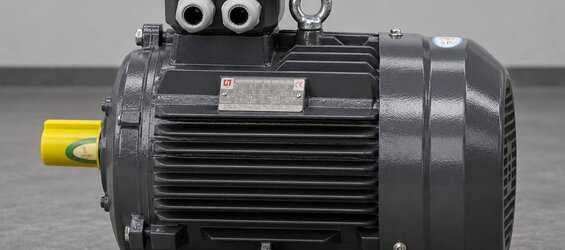
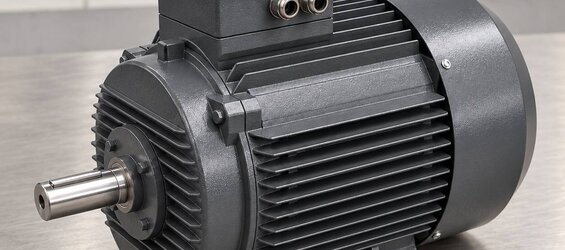
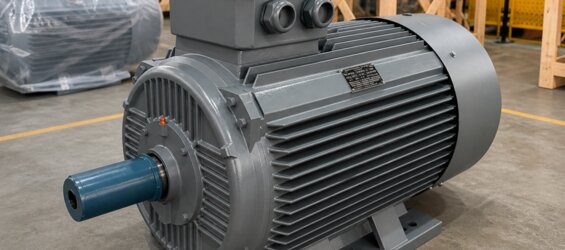
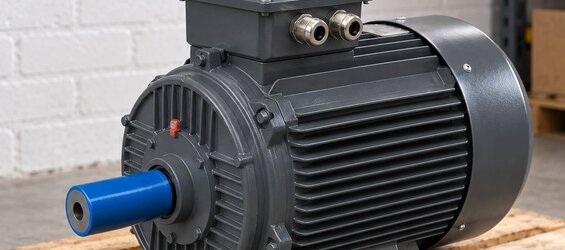
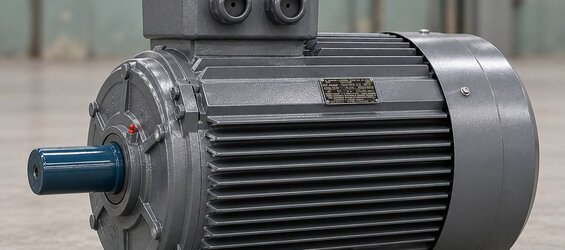
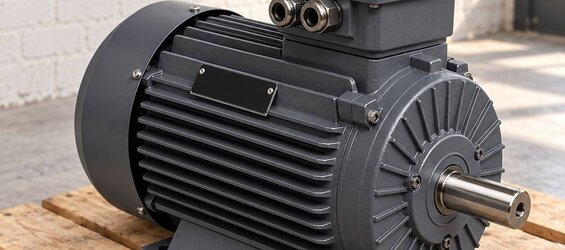
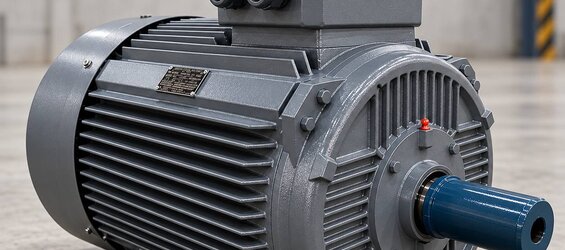
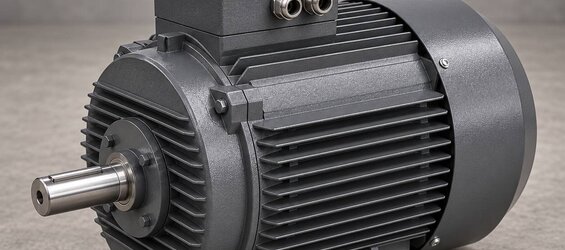
- What is an electric motor? A machine that converts electrical energy into mechanical (motion) energy.
- What is an asynchronous motor? The brushless, durable and most common induction motor type.
- What are IE classes? Motor efficiency levels from IE1 to IE5.
- Where are asynchronous motors used? Pumps, fans, compressors, conveyors, cranes and more.
Motor Selection Tips
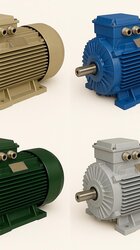
For the right motor, power (kW), speed (rpm), efficiency class, body material and mounting type should be considered together. Our high efficiency motors page guides you on efficiency and the power and speed options page on power/speed.
Frequently Asked Questions
What is the difference between asynchronous and synchronous motors? In an asynchronous motor the rotor turns slightly slower than the magnetic field; in a synchronous motor it turns at the same speed.
Why is motor efficiency important? High efficiency does the same work with less electricity, lowering operating costs.
The Right Choice with DRG Motor
DRG Motor supports businesses on both the product and knowledge side. By reviewing this guide content you can choose the right motor more consciously, and contact us via drgmotor.com for technical questions.
Efficiency Classes in Brief
Motor efficiency is classified as IE1 (Standard), IE2 (High), IE3 (Premium), IE4 (Super Premium) and IE5 (Ultra Premium). The higher the class, the lower the energy loss and the greater the savings. Which class suits you is determined by your running hours and power needs; review our guide content for details.
Which mounting type is needed? Foot (B3) mounting is used in most applications, while flange (B5) or combined (B35) mounting is preferred where direct coupling is required.
 English
 Le français
 Türkçe