 English
 Le français
 Türkçe

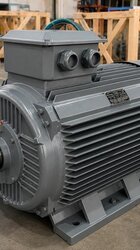
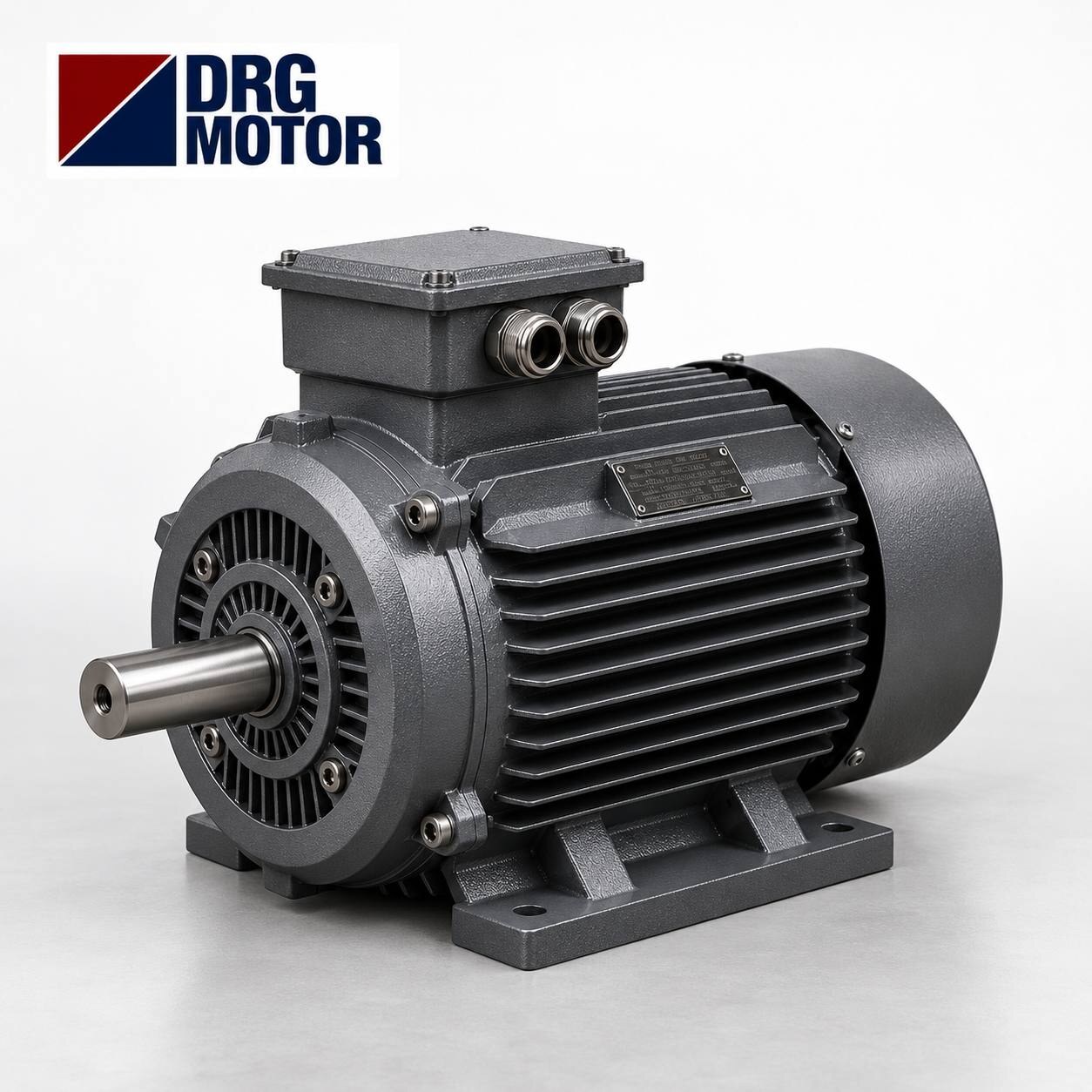

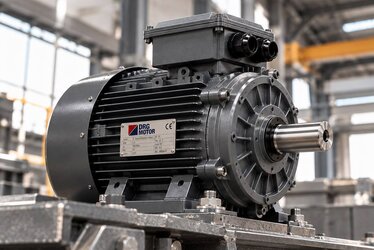
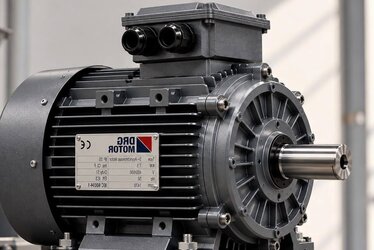
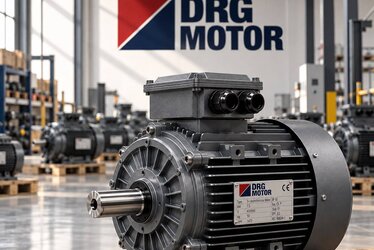
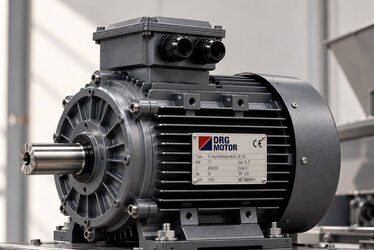
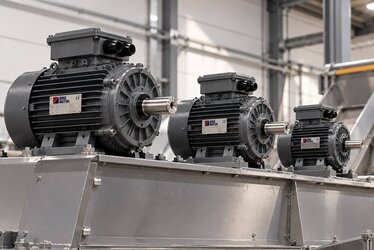
An electric motor is an electromechanical machine that turns the magnetic field created by stator current into rotary motion on the rotor. The torque that lifts a hoist, drives a conveyor or spins a pump comes from here; it is the unseen workforce of production. At our plant in İzmir, DRG Motor builds three-phase induction motors that carry out this conversion with minimal loss.
How Electrical Energy Becomes Motion
Three windings placed 120 degrees apart in the stator create a rotating magnetic field when fed from a 50 Hz supply. This field induces current in the squirrel-cage rotor, and the rotor turns as it tries to catch up with the field. The small lag behind synchronous speed, called slip, is what generates usable torque on the shaft.
What Work Does It Do?
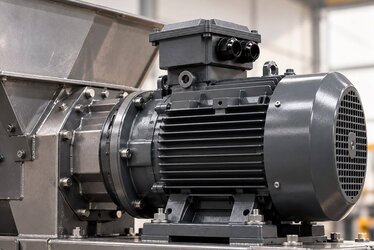
The job an electric motor performs depends on the driven machine: it pressurises water in a pump, circulates air in a fan, moves material on a conveyor, compresses air in a compressor and crushes stone in a mill. The same motor can serve very different applications once the speed–torque balance is set with a gearbox or pulley.
Why Efficiency Matters
Most of the money a motor spends over its life is the electricity bill. IEC 60034-30-1 grades motors from IE1 up to IE5; IE3 Premium and IE4 Super Premium units do the same work with fewer losses, delivering clear energy savings over the years. On a continuously running (S1) motor, that difference pays back quickly.
What DRG Motor Builds
We supply motors from 0.55 to 355 kW, in 2/4/6-pole versions (3000/1500/1000 rpm), with IP55 protection and Class F insulation. B3 foot-mounted, B5 flange-mounted and B14 face-mounted options fit almost any machine. Tell us your application and we will choose the right power and speed together.